In today's fast-paced corporate environment, a growing number of professionals are constantly working late, leading to a significant rise in demand for products that support daily vitality and overall well-being. This profound shift in consumer lifestyle has created a lucrative opportunity for food, beverage, and supplement manufacturers to develop targeted nutritional products. As modern consumers actively seek convenient ways to maintain their health amidst demanding schedules and irregular eating habits, the global market for functional foods and fortified beverages is expanding at an unprecedented rate. Manufacturers are increasingly looking for high-quality nutrient raw materials that can effectively address the subtle nutritional gaps caused by high stress and poor dietary routines. For B2B suppliers and product developers, understanding these evolving consumer pain points is the first step toward creating successful, market-driven formulations that resonate with the modern workforce.
However, formulating products to support energy and vitality presents a unique set of challenges for research and development teams, particularly when it comes to iron fortification. Iron is a crucial mineral for maintaining normal energy-yielding metabolism and reducing tiredness, yet traditional iron sources often fall short in commercial applications. Many conventional iron compounds, such as ferrous sulfate, introduce an unpleasant metallic taste, cause undesirable color changes, or promote the oxidation of sensitive vitamins and lipids in the formulation through the Fenton reaction. Furthermore, from a consumer perspective, some traditional iron sources are known to cause gastrointestinal discomfort, which severely limits user compliance and repeat purchases. For B2B clients developing beverage ingredients or health supplement raw materials, finding a compound that balances high bioavailability with excellent sensory and chemical stability remains a persistent and costly hurdle in the product development cycle.
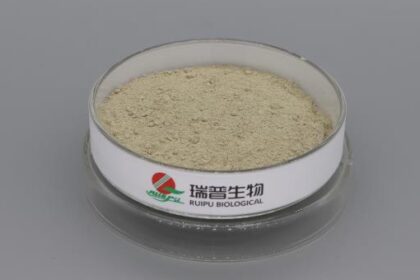
This is where Ferric Sodium Edetate emerges as a highly effective and reliable solution for modern nutritional formulations. As one of the most reliable functional ingredients, Ferric Sodium Edetate features a unique chelated structure where the iron ion is tightly bound, offering exceptional stability across a wide range of pH levels and processing conditions. This protective chelate prevents the iron from interacting with other sensitive components in the matrix, making it incredibly versatile for product developers. Unlike traditional iron salts, it does not catalyze the oxidation of lipids or water-soluble vitamins, thereby preserving the nutritional integrity, flavor, and shelf life of the final product. More importantly, it is virtually free from the metallic aftertaste that typically plagues iron-fortified products, ensuring a clean and enjoyable sensory experience. When integrated into comprehensive application solutions, this compound allows manufacturers to seamlessly fortify their products without compromising on flavor, color, or texture.
| Iron Source | Taste Profile | Stability in Liquids | Bioavailability | Ideal Application |
|---|---|---|---|---|
| Ferrous Sulfate | Strong metallic | Low (promotes oxidation) | High | Basic solid tablets |
| Ferrous Gluconate | Moderate metallic | Moderate | Moderate | Syrups and capsules |
| Ferric Sodium Edetate | Neutral and clean | High (chelated structure) | High | Clear beverages and plant milks |
The practical application value of Ferric Sodium Edetate spans across multiple categories, offering immense flexibility for B2B clients looking to innovate. Consider the scenario of developing a clear, fruit-flavored energy drink aimed at office workers who frequently work overtime. Using standard iron sources would likely result in a cloudy appearance and a harsh, metallic flavor profile that consumers would immediately reject. By utilizing Ferric Sodium Edetate, formulators can maintain the crystal-clear appearance and bright fruit notes of the beverage while delivering a meaningful amount of highly bioavailable iron. Similarly, in the rapidly growing plant-based milk sector, fortifying oat or almond milk with iron is notoriously difficult due to the risk of lipid oxidation and off-flavors. Ferric Sodium Edetate circumvents these issues, allowing manufacturers to produce stable, great-tasting plant-based beverages. In the realm of health supplement raw materials, this ingredient can be seamlessly incorporated into chewable tablets or gummies designed for daily vitality support, significantly improving palatability and encouraging consistent daily use among busy professionals.
In conclusion, as the modern workforce continues to grapple with the physical and mental demands of working late, the need for effective, palatable, and stable nutritional interventions has never been greater. Ferric Sodium Edetate stands out as a superior choice for manufacturers aiming to elevate their product offerings in the highly competitive functional food and beverage space. By leveraging this advanced ingredient, B2B partners can overcome traditional formulation barriers and deliver high-quality, consumer-friendly products that genuinely support daily vitality and well-being. We invite food, beverage, and supplement manufacturers to explore the vast potential of this remarkable compound and collaborate on innovative application solutions that meet the evolving, dynamic needs of today's dedicated professionals. Together, we can shape the future of nutritional science and provide meaningful support for those who drive our global economy forward every single day.
Frequently Asked Questions
Why is iron fortification important for people who frequently work late?
People who constantly work late often experience irregular eating habits and high stress, which can lead to nutritional gaps and fatigue. Iron plays a crucial role in normal energy-yielding metabolism and the reduction of tiredness. By incorporating effective iron sources into their daily diet, these professionals can better support their overall vitality and maintain focus during demanding hours.
For manufacturers, this means there is a growing market for functional beverages and supplements tailored to busy lifestyles. Providing a reliable source of iron helps address these specific consumer needs while adding significant value to the final product.
What makes Ferric Sodium Edetate better than traditional iron sources for beverages?
Traditional iron compounds like ferrous sulfate often cause a strong metallic taste and can trigger the oxidation of sensitive vitamins and lipids in liquid formulations. This usually results in an unpleasant flavor and a shorter shelf life for the beverage. Ferric Sodium Edetate, on the other hand, features a unique chelated structure that keeps the iron tightly bound and highly stable across various pH levels.
Because of this protective chelate, it does not catalyze unwanted oxidation reactions or produce that harsh metallic aftertaste. This allows product developers to create clear, great-tasting functional drinks without compromising the nutritional integrity or the sensory experience that modern consumers expect.
Can Ferric Sodium Edetate be used in plant-based milk alternatives and dietary supplements?
Absolutely, and it is particularly valuable in the plant-based sector where fortifying products like oat or almond milk is notoriously difficult due to the high risk of lipid oxidation. Ferric Sodium Edetate prevents these off-flavors and color changes, ensuring the plant-based beverage remains stable and delicious.
In the realm of dietary supplements, such as chewable tablets or gummies designed for daily energy support, this ingredient significantly improves palatability. It allows manufacturers to deliver between 10 and 15 milligrams of highly bioavailable iron per serving without the gastrointestinal discomfort often associated with older iron salts.