The modern functional food and beverage market is evolving rapidly, with B2B manufacturers constantly seeking innovative ways to fortify their products without compromising quality. As a dedicated supplier of nutrient raw materials, we frequently engage with brands looking to elevate their formulations to meet shifting consumer expectations. Recently, the demand for clear, functional beverages has surged, requiring highly specialized beverage ingredients that can withstand complex manufacturing processes and rigorous supply chain conditions. Formulators are no longer just looking for basic nutritional profiles; they need components that maintain product integrity, taste, and visual appeal throughout the targeted shelf life. This shifting landscape means that every functional ingredient added to a recipe must be carefully evaluated for both its chemical behavior in liquid matrices and its sensory impact on the final consumer experience.
During a recent technical consultation, a prominent beverage manufacturer presented our team with a particularly tough question that highlighted these exact industry challenges. They were developing a clear, citrus-flavored sports recovery drink and needed to fortify it with zinc to support their target demographic. However, their previous attempts using standard zinc salts resulted in severe formulation roadblocks. The traditional ingredients caused cloudy precipitation in the acidic liquid, introduced an unpleasant metallic aftertaste, and compromised the stability of other sensitive functional ingredients in the matrix. The client asked how they could achieve a meaningful zinc concentration in a low-pH environment without sacrificing the crystal-clear appearance or the refreshing taste of the final drink. This is a classic formulation bottleneck that many product developers face when working with essential minerals in liquid applications, often leading to delayed product launches and increased research costs.
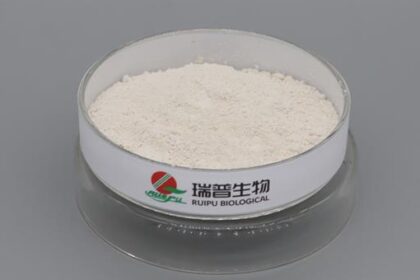
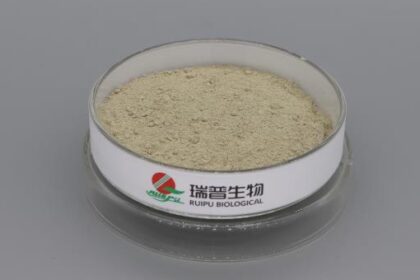
This is exactly where Zinc Citrate stole the show and provided the breakthrough the client needed. Unlike conventional alternatives, Zinc Citrate offers excellent solubility and a highly neutral taste profile, making it an ideal choice for challenging liquid environments. Our technical team proposed a comprehensive application solution tailored specifically to their production line and recipe constraints. We recommended replacing their previous zinc source with our highly purified Zinc Citrate, which dissolves readily even in mildly acidic conditions without leaving gritty residues. To ensure optimal integration, we provided a detailed blending protocol, advising them to introduce the Zinc Citrate during the initial water hydration phase before adding the acidic flavoring agents and preservatives. This specific sequence prevents localized pH shocks and ensures a highly homogenous mixture. As a versatile supplement raw material, it seamlessly integrates into the formulation without triggering the precipitation reactions that plagued their earlier prototypes.
| Formulation Parameter | Traditional Zinc Salts | Zinc Citrate | Impact on Final Beverage |
|---|---|---|---|
| Solubility in Acidic pH | Low / Causes Cloudiness | High / Clear Solution | Maintains Visual Clarity |
| Sensory Taste Profile | Metallic / Bitter Aftertaste | Neutral / Clean Taste | Preserves Original Flavor |
| Mixing Temperature | Requires Heat for Dissolution | Dissolves at Ambient Temp | Reduces Energy Consumption |
| Shelf-Life Stability | Prone to Precipitation | Highly Stable Matrix | Ensures Label Claim Accuracy |
| Flavor Compatibility | Reacts with Citrus Acids | Compatible with Fruit Acids | Expands Recipe Versatility |
The practical benefits of this strategic ingredient switch were immediately apparent during their pilot production run and subsequent scale-up. First, the sensory profile of the beverage was effectively preserved, maintaining the crisp, clean citrus notes that consumers expect from a premium sports drink while successfully minimizing any metallic off-notes. Second, the manufacturing efficiency improved significantly on the factory floor. Because Zinc Citrate dissolves so readily in ambient temperature water, the client reported a substantial reduction in mixing time, which translates to significant energy and time savings on a commercial scale. Furthermore, accelerated stability testing showed that the drink maintained its visual clarity and nutritional label claims over the targeted twelve-month shelf life. By choosing the right nutrient raw materials, the brand was able to confidently launch a product that stands out on the retail shelf for both its functional benefits and its superior drinking experience.
Navigating the complexities of modern food and beverage formulation requires more than just a broad catalog of ingredients; it demands a deep, practical understanding of how those components interact in real-world manufacturing scenarios. When a client asks a tough question, the right technical partnership and the right ingredient can turn a frustrating formulation roadblock into a distinct competitive advantage. Zinc Citrate continues to prove its worth as a reliable, high-performance option for clear beverages, complex liquid supplements, and fortified foods. We remain fully committed to providing our B2B partners with top-tier beverage ingredients, reliable supplement raw materials, and actionable application solutions, ensuring that every product they bring to market consistently meets the highest standards of quality, stability, and consumer satisfaction.
Why is adding zinc to clear functional beverages such a big challenge for formulators?
Formulating clear drinks with essential minerals often leads to frustrating issues like cloudy precipitation or a harsh metallic aftertaste that ruins the consumer experience. When manufacturers try to use standard zinc salts in low-pH environments, the ingredients frequently clash with acidic flavorings and cause visual defects.
This is why product developers have to be extremely careful when selecting their nutrient raw materials for liquid matrices. Finding a highly soluble option that maintains crystal clarity and a neutral taste profile is absolutely crucial for keeping the beverage stable over its intended shelf life of 12 to 18 months.
What makes Zinc Citrate the preferred choice for overcoming these liquid formulation roadblocks?
Zinc Citrate naturally offers excellent solubility and a remarkably neutral flavor, which allows it to blend seamlessly into complex beverage recipes without triggering unwanted chemical reactions. Unlike older mineral sources, it dissolves readily even in mildly acidic conditions, ensuring the final drink remains perfectly clear and refreshing.
Beyond just sensory benefits, this specific ingredient drastically improves manufacturing efficiency on the factory floor. Because it hydrates so easily in ambient temperature water, production teams can significantly reduce their mixing times and save valuable energy during large-scale commercial runs.
How should manufacturers integrate this ingredient into their production line for the best results?
We always recommend introducing the zinc component during the very first water hydration phase before you add any acidic flavoring agents or preservatives to the mixing tank. This specific blending sequence prevents localized pH shocks and guarantees a highly homogenous mixture throughout the entire batch.
Following this straightforward protocol helps avoid the gritty residues and precipitation issues that typically plague poorly planned fortification projects. It ensures that your functional beverage maintains its nutritional label claims and visual appeal from the moment it is bottled until the consumer finally opens it.
Are consumers really noticing the difference when brands upgrade their beverage ingredients?
Modern shoppers are definitely paying closer attention to both the functional benefits and the actual drinking experience of the products they buy off the retail shelf. If a sports recovery drink tastes overly metallic or looks suspiciously cloudy, they will simply switch to a competitor brand that offers a cleaner sensory profile.
Upgrading to premium supplement raw materials allows B2B manufacturers to confidently meet these shifting expectations without sacrificing nutritional density. Delivering a crisp, clean taste alongside reliable fortification is exactly what helps functional brands stand out in such a crowded and competitive marketplace.