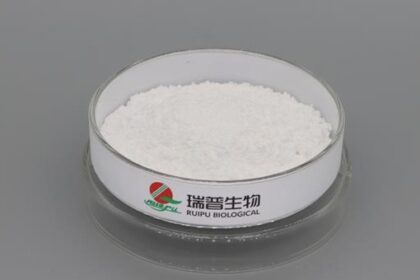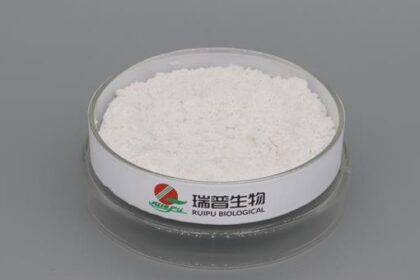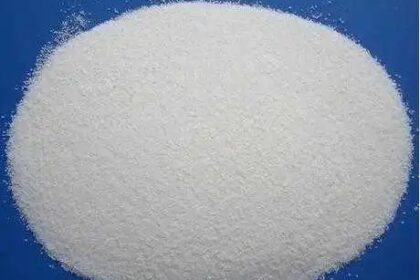
In the rapidly evolving landscape of functional foods and beverages, formulators are constantly seeking high-quality nutrient raw materials to meet growing consumer demands for daily wellness support. During a recent technical consultation with a prominent beverage brand, our discussion naturally shifted toward mineral fortification, a sector experiencing significant growth. The market for fortified drinks is expanding rapidly, but integrating essential minerals without compromising sensory attributes remains a formidable hurdle for product developers. Our client, an experienced product development director, was evaluating different zinc sources for a new line of premium functional waters. They brought up a highly specific and challenging formulation question regarding Zinc Citrate, setting the stage for a deep technical dive that would ultimately redefine their approach to mineral fortification.
The core issue the client faced was the notorious metallic aftertaste and potential precipitation that often plagues liquid formulations containing trace minerals. They asked a pointed question about why they should invest in Zinc Citrate over more traditional, cost-effective salts like zinc sulfate or zinc gluconate, especially when dealing with the delicate, subtle flavor profiles required for modern beverage ingredients. Furthermore, they were deeply concerned about the long-term stability of these functional ingredients over a standard twelve-month shelf life. They feared that the zinc ions might interact with added botanical extracts, such as green tea polyphenols, or certain water-soluble vitamins, leading to unsightly cloudiness, sedimentation, or nutrient degradation. This is a remarkably common pain point when sourcing supplement raw materials for complex liquid matrices, as selecting the wrong mineral salt can easily ruin a carefully crafted, premium product.
Our lead technical specialist stepped in and delivered an answer that truly stole the show by breaking down both the molecular chemistry and the practical application of Zinc Citrate. First, the expert explained that Zinc Citrate offers a significantly smoother taste profile and favorable bioavailability compared to inorganic salts like zinc sulfate, making it an ideal choice for sensitive consumer palates. To directly address the solubility and stability concerns, the specialist outlined a precise pH management strategy. They demonstrated through recent lab data that maintaining the beverage matrix at a carefully controlled, slightly acidic pH ensures the zinc remains fully dissolved and prevents the formation of insoluble complexes. Additionally, they provided a custom flavor-masking application solution, suggesting the strategic use of specific citrus or mixed-berry flavor systems that naturally complement and effectively neutralize any faint mineral notes. By adjusting the buffering capacity of the drink and utilizing targeted encapsulation techniques for the botanical extracts, the team proved that Zinc Citrate could remain completely stable without interacting negatively with other sensitive functional ingredients.
| Zinc Source | Solubility | Taste Profile | Bioavailability | Stability in Liquids |
|---|---|---|---|---|
| Zinc Citrate | High | Smooth / Low Metallic | High | Excellent |
| Zinc Sulfate | High | Strong Metallic | Moderate | Poor |
| Zinc Gluconate | Moderate | Mild Metallic | High | Good |
| Zinc Oxide | Low | Chalky / Bland | Low | Poor |
This detailed, science-backed technical guidance immediately shifted the client's perspective and opened up exciting new avenues for their product pipeline. By utilizing these tailored application solutions, the client was able to finalize a crystal-clear, great-tasting functional water that maintained its physical and chemical stability throughout rigorous accelerated shelf-life testing. The use of high-grade nutrient raw materials like Zinc Citrate not only elevated the nutritional profile of the beverage but also ensured a clean, consumer-friendly label that appeals to modern health-conscious buyers. For dietary supplement manufacturers, this exact same knowledge translates seamlessly into other formats, such as gummy vitamins or effervescent tablets, where the inherently smooth taste of Zinc Citrate drastically reduces the need for excessive artificial sweeteners or heavy flavor masking agents. Ultimately, understanding the nuanced behavior of these specialized beverage ingredients allows brands to innovate confidently, creating diverse products that deliver consistent quality, excellent sensory experiences, and reliable nutritional content.
This productive interaction highlighted a crucial reality in the modern B2B nutrition sector: supplying high-quality supplement raw materials is only half of the equation. Providing deep technical expertise, proactive problem-solving, and robust application solutions is what truly empowers brands to overcome complex formulation barriers. As the industry continues to push the boundaries of functional foods and beverages, having a reliable manufacturing partner who deeply understands the intricate science of functional ingredients is absolutely essential for long-term success. We remain fully committed to offering objective, science-backed guidance to help our clients navigate these formulation challenges, ensuring their products thrive in a highly competitive marketplace while strictly adhering to industry regulations and avoiding any exaggerated health claims.
Frequently Asked Questions
Why is Zinc Citrate preferred over other zinc sources in beverage formulations?
Zinc Citrate is often preferred because it offers a much smoother taste profile compared to inorganic salts like zinc sulfate. This makes it incredibly useful for beverage formulators who need to maintain delicate flavor profiles without introducing a harsh metallic aftertaste.

Additionally, it provides favorable bioavailability, which is a major selling point for health-conscious consumers looking for daily wellness support in their functional drinks.
How can manufacturers prevent precipitation when adding zinc to functional drinks?
Preventing precipitation usually comes down to carefully managing the pH levels of the beverage matrix during the formulation process. Our technical experts recommend maintaining a slightly acidic environment to ensure the zinc remains fully dissolved over a standard twelve to eighteen month shelf life.
Using specific buffering agents and avoiding incompatible botanical extracts can also help keep the liquid crystal clear and physically stable throughout its entire lifecycle.
Does Zinc Citrate interact negatively with vitamins or botanical extracts in supplements?
While trace minerals can sometimes interact with sensitive ingredients like green tea polyphenols, Zinc Citrate is generally quite stable when formulated correctly by experienced professionals. By adjusting the buffering capacity and utilizing targeted encapsulation techniques for the botanical extracts, manufacturers can easily prevent unsightly cloudiness or nutrient degradation.
This careful approach ensures that the functional ingredients work together harmoniously in both liquid beverages and solid supplement formats without compromising the final product quality.
What kind of technical support do nutrient raw material suppliers provide for new product development?
Top-tier suppliers go beyond just selling ingredients by offering deep technical expertise and custom application solutions tailored to specific project needs. They actively help product developers troubleshoot complex formulation barriers, such as advanced taste masking and rigorous long-term stability testing.
This collaborative partnership empowers brands to innovate confidently and bring high-quality, fully compliant nutritional products to a highly competitive global marketplace.