The global market for fortified foods and dietary supplements is expanding rapidly, driven by increasing consumer awareness of daily nutritional gaps and the growing demand for functional wellness products. As brands strive to develop innovative and effective products, the demand for high-quality nutrient raw materials has never been higher across the food and beverage sectors. Manufacturers are constantly looking for reliable ways to enrich their product portfolios without compromising the sensory experience or shelf life. This is particularly true in the highly competitive beverage and supplement sectors, where taste, visual appeal, and clean-label trends are paramount to consumer acceptance and repeat purchases.
During a recent industry formulation summit, a senior food scientist asked a hard question that immediately resonated with the B2B professionals in the room. He challenged the audience to find a reliable, scalable way to fortify clear, acidic beverages and sensitive chewable supplements with iron, without introducing a metallic aftertaste, causing lipid oxidation, or creating unsightly color changes over time. Traditional iron sources like ferrous sulfate often catalyze oxidation through the Fenton reaction and impart a strong, unpleasant metallic flavor, making them entirely unsuitable for many modern, delicate formulations. This persistent formulation bottleneck has long hindered the development of premium, consumer-friendly iron-fortified products.
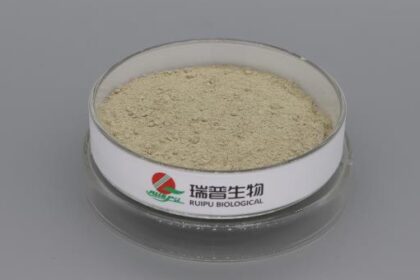
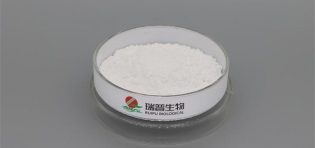
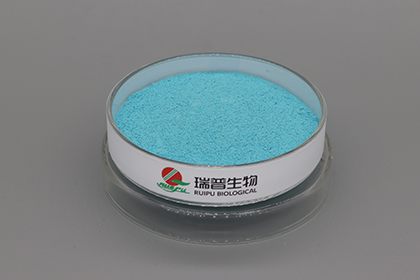
This is exactly where Ferrous Lactate steps in and provides a brilliant, science-backed answer to the industry's dilemma. As one of the highly regarded functional ingredients, ferrous lactate offers a unique combination of excellent bioavailability and exceptional sensory neutrality. Unlike more reactive iron salts, the lactic acid moiety in this compound helps buffer the iron, making it highly stable in acidic environments and significantly less likely to promote the oxidation of fats, proteins, or sensitive vitamins in the product matrix. Its remarkably mild taste profile makes it an ideal choice for complex formulations, effectively solving the sensory and stability issues that have historically plagued traditional iron fortification methods.
To truly understand its commercial and technical value, let us examine some practical application solutions in the B2B manufacturing space. First, consider its critical role as one of the premier beverage ingredients for clear sports drinks, vitamin waters, and fruit juices. When formulating a transparent, citrus-based energy drink, maintaining a crystal-clear appearance and a refreshing taste is absolutely critical for market success. Ferrous lactate dissolves beautifully and remains chemically stable without causing the liquid to turn brown or taste like metal, allowing beverage brands to confidently market a clean-label, iron-enriched drink that looks and tastes great.
| Application Area | Traditional Iron Issue | Ferrous Lactate Benefit | Sensory Impact | Stability Rating |
|---|---|---|---|---|
| Clear Beverages | Metallic taste and browning | Neutral taste and clear liquid | Excellent | High |
| Chewable Gummies | Harsh metallic flavor | Mild and highly palatable | Very Good | High |
| Plant-Based Milks | Protein coagulation | Smooth and creamy texture | Good | Medium-High |
| Acidic Juices | Oxidation and degradation | Buffered and chemically stable | Excellent | High |
Second, in the specialized realm of health supplement raw materials, ferrous lactate is a proven game-changer for gummies, chewable tablets, and oral strips. Since these delivery formats are chewed or dissolved directly in the mouth, any metallic taste from traditional iron is immediately magnified and often rejected by consumers. By utilizing ferrous lactate, supplement manufacturers can create highly palatable, fruit-flavored iron gummies that both adults and children actually enjoy taking daily, thereby drastically improving user compliance and long-term brand loyalty. Furthermore, it performs exceptionally well in plant-based milk alternatives, where maintaining a smooth mouthfeel and preventing protein coagulation are vital technical hurdles that this ingredient effortlessly overcomes.
In conclusion, the expert's challenging question highlighted a significant gap in traditional fortification strategies, but it also beautifully illuminated the superior capabilities of modern nutritional science and ingredient engineering. By integrating ferrous lactate into their product pipelines, manufacturers can confidently overcome historical formulation barriers and meet the rigorous demands of today's health-conscious consumers. Providing reliable, innovative application solutions and premium nutrient raw materials remains our core commitment to helping beverage, food, and supplement brands deliver exceptional, high-quality products to the global market.
Frequently Asked Questions
Why is ferrous lactate preferred over traditional iron sources in beverage formulations?
Traditional iron sources often cause a strong metallic aftertaste and can trigger oxidation that ruins the flavor and color of delicate drinks. Ferrous lactate solves this problem because its unique chemical structure keeps the iron stable and prevents those unwanted reactions from happening in acidic environments.
This stability means beverage manufacturers can confidently add between 10 and 20 milligrams of iron per serving to clear sports drinks without worrying about the liquid turning brown. It ultimately allows brands to deliver a much better sensory experience that keeps consumers coming back for more.
How does ferrous lactate improve the quality of chewable supplements and gummies?
When people chew a supplement, any harsh or metallic flavors are immediately magnified, which is a huge issue for traditional iron salts. Ferrous lactate has a remarkably mild taste profile that blends perfectly with fruit flavors and sweeteners used in gummies and chewable tablets.
By using this gentle ingredient, supplement makers can create highly palatable products that both adults and children actually enjoy taking every day. This massive improvement in taste directly leads to better daily compliance and stronger brand loyalty over time.
Can ferrous lactate be used in plant-based milk alternatives without causing texture issues?
Fortifying plant-based milks is notoriously tricky because reactive minerals can easily cause the plant proteins to coagulate and create a gritty or separated texture. Ferrous lactate is highly compatible with these complex matrices and does not disrupt the delicate protein structures found in oat, almond, or soy milks.
Manufacturers can easily blend it into their production lines to boost the nutritional profile while maintaining that smooth, creamy mouthfeel that consumers expect. It provides a seamless fortification solution that keeps the final product looking and feeling exactly like a premium dairy alternative.