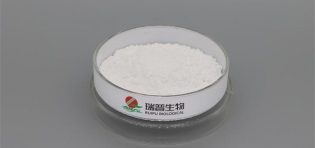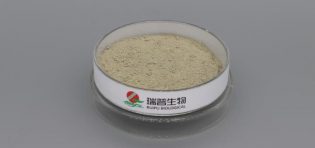
In the rapidly evolving landscape of nutritional product development, formulators are constantly seeking ways to enhance the nutritional profile of their offerings without compromising sensory qualities. During a recent industry formulation summit, a leading nutritional scientist posed a critical question to the audience: how can we effectively fortify clear beverages and sensitive dietary supplements with iron without triggering oxidation or imparting a metallic taste? This question struck a chord with product developers across the room, as iron fortification has historically been one of the most challenging hurdles in food science. The discussion quickly highlighted the limitations of conventional iron salts and shifted focus toward more advanced nutrient raw materials that can meet modern consumer expectations for both efficacy and taste.
The core issue with traditional iron sources, such as ferrous sulfate or ferrous gluconate, lies in their high chemical reactivity. When introduced into complex matrices like fruit juices, sports drinks, or liquid dietary supplements, these reactive iron ions often catalyze the oxidation of sensitive vitamins, particularly vitamin C and certain B vitamins. Furthermore, they tend to interact with tannins, polyphenols, and plant proteins, leading to undesirable color changes, sedimentation, and a distinct metallic aftertaste that consumers find highly unpalatable. For manufacturers focusing on premium beverage ingredients and high-end dietary products, these organoleptic and stability issues severely limit the application scope. Product developers often find themselves forced to use heavy flavor-masking agents, excessive sweeteners, or opaque packaging, which increases production costs and detracts from the clean-label trend that today's health-conscious consumers strongly demand.
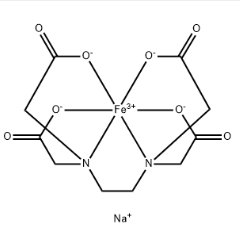
This is exactly where Ammonia Ferric Citrate steps in and provides a highly effective, scientifically sound alternative. As one of the most versatile functional ingredients available today, Ammonia Ferric Citrate features a unique molecular structure where the iron is tightly bound within a citrate complex. This chelation significantly reduces the reactivity of the free iron ions, effectively preventing the oxidation of surrounding nutrients and preserving the original flavor profile of the product. Unlike highly reactive ferrous salts, this specific iron source exhibits excellent solubility in water and maintains remarkable stability across a wide pH range. When the expert at the summit evaluated various iron compounds side-by-side in a clear, acidic beverage model, Ammonia Ferric Citrate nailed it by remaining completely dissolved, showing zero precipitation, and leaving the delicate sensory profile of the beverage entirely unchanged.
| Iron Source | Reactivity Level | Taste Impact | Water Solubility | Best Applications |
|---|---|---|---|---|
| Ferrous Sulfate | High | Strong Metallic | High | Opaque Drinks & Cereals |
| Ferrous Gluconate | Moderate | Moderate Metallic | Moderate | Chewables & Gummies |
| Ammonia Ferric Citrate | Low | Minimal to None | Excellent | Clear Drinks & Liquid Shots |
The practical application value of this ingredient spans across multiple categories, offering versatile application solutions for B2B clients looking to innovate. In the beverage sector, it is an ideal choice for fortifying clear functional waters, energy drinks, and sports recovery beverages. For instance, a manufacturer developing a transparent, citrus-flavored hydration drink can incorporate Ammonia Ferric Citrate to boost the iron content without turning the liquid cloudy or brown over its intended shelf life. In the realm of dietary products, it serves as a premium choice for liquid shots, chewable tablets, and gummy vitamins. Because it lacks the harsh metallic bite of traditional iron, formulators can reduce the amount of artificial sweeteners and heavy flavoring agents, thereby creating cleaner, more appealing supplement raw materials. Additionally, it performs exceptionally well in plant-based milk alternatives, where reactive iron usually causes protein coagulation and separation, ensuring a smooth and homogenous final product.
Ultimately, the modern food and beverage industry requires ingredients that seamlessly bridge the gap between high nutritional value and exceptional sensory performance. The expert consensus from the recent summit clearly demonstrates that when it comes to overcoming the historical challenges of iron fortification, Ammonia Ferric Citrate stands out as a highly reliable and superior choice. By integrating this advanced ingredient into their product pipelines, manufacturers can confidently develop innovative, stable, and great-tasting nutritional products that resonate with modern consumers. Formulators who embrace these advanced nutritional technologies will undoubtedly lead the next wave of product innovation in the competitive health and wellness market. As the global demand for fortified foods continues to grow, relying on high-quality nutrient raw materials like Ammonia Ferric Citrate will remain a strategic advantage for brands aiming to deliver uncompromising quality.
Frequently Asked Questions
Why is adding iron to clear beverages such a big headache for formulators?
Traditional iron sources like ferrous sulfate are highly reactive, which means they easily trigger oxidation when mixed with sensitive ingredients like vitamin C. This chemical reaction not only degrades the nutritional value of your drink but also causes ugly color changes and sedimentation over time.
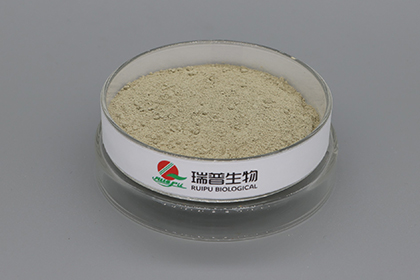
On top of the visual and stability issues, these reactive iron salts usually leave behind a harsh metallic aftertaste that consumers absolutely hate. That is why product developers often have to rely on heavy flavor masking or opaque packaging just to hide the unpleasant side effects of standard iron fortification.
How exactly does Ammonia Ferric Citrate get rid of that awful metallic taste?
The secret lies in its unique molecular structure where the iron is tightly bound within a citrate complex. This chelation process significantly reduces the reactivity of free iron ions, preventing them from interacting with your taste buds or other sensitive compounds in the formula.
Because the iron is safely locked away in this stable complex, it simply does not produce the harsh metallic bite associated with older iron salts. This allows formulators to create clean-label products with a much smoother flavor profile, meaning you can cut back on artificial sweeteners and heavy flavoring agents.
Will Ammonia Ferric Citrate work well in plant-based milks and liquid dietary supplements?
It actually performs exceptionally well in those exact applications because of its outstanding stability across a wide pH range. In plant-based milks, reactive iron usually causes protein coagulation and separation, but this specialized ingredient keeps the liquid perfectly smooth and homogenous throughout its entire shelf life.
For liquid dietary supplements and wellness shots, it dissolves completely without leaving any gritty residue or cloudy appearance. This makes it an incredibly versatile choice for brands looking to upgrade their supplement raw materials without compromising the premium look and feel of their final products.
Will using this specific iron source negatively impact the shelf life of my sports drinks?
You will actually see a major improvement in shelf life stability compared to using conventional iron salts. Since Ammonia Ferric Citrate prevents the oxidation of surrounding nutrients, your added vitamins and delicate botanical extracts will remain potent and effective right up to the expiration date.
Beverage manufacturers can confidently formulate transparent, citrus-flavored hydration drinks that stay visually clear and nutritionally intact for 12 to 18 months. This reliable performance takes the guesswork out of stability testing and helps you bring high-quality functional beverages to market much faster.