However, reality hit us hard, and over the next two months, I personally oversaw the failure of six consecutive pilot batches. The first major issue we encountered was severe sedimentation, where the iron particles settled at the bottom of the bottles within just forty-eight hours, creating an unappealing sludge that no consumer would ever drink. In the third and fourth batches, we tried to fix the suspension issue by increasing the viscosity, but this resulted in a thick, syrupy texture and a noticeable metallic aftertaste that completely ruined the flavor profile. By the fifth batch, we faced unexpected color degradation, where the liquid turned a murky brownish-grey due to unforeseen chemical interactions between the iron and the ascorbic acid we had added as an antioxidant. It became painfully clear that simply dumping standard health supplement raw materials into a liquid base without understanding their specific physicochemical behaviors was a recipe for disaster.
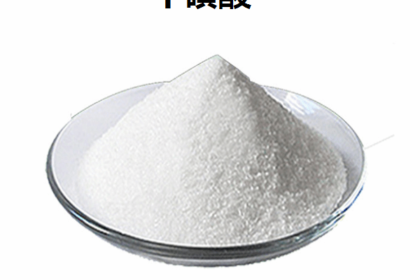
To finally crack the code, we completely overhauled our approach and developed comprehensive application solutions tailored specifically for micronized Ferric Pyrophosphate. First, we switched to a highly micronized, encapsulated grade of the iron, which drastically reduced the particle size and prevented the heavy sedimentation we saw in the early batches. Second, we introduced a specialized hydrocolloid blend combined with a mild emulsifier to create a stable suspension network that kept the particles evenly distributed without making the drink feel thick or chalky. We also adjusted the pH of the beverage base to be slightly more acidic and changed our mixing sequence, ensuring the iron was added at the very last stage under high-shear homogenization to prevent premature oxidation with the vitamins. This meticulous adjustment of processing parameters and ingredient sequencing was the breakthrough we desperately needed.
Mastering this formulation technique has delivered immense application value for our manufacturing partners and B2B clients looking to scale up production. By stabilizing the Ferric Pyrophosphate in a liquid matrix, we achieved a shelf-stable product that maintains its visual clarity, smooth mouthfeel, and excellent taste throughout its entire shelf life. This means beverage brands can confidently market a premium iron-fortified drink without worrying about customer complaints regarding metallic flavors or unappetizing sediment at the bottom of the bottle. Furthermore, the optimized mixing process reduces energy consumption and batch rejection rates on the production floor, making it a highly cost-effective and scalable method for large-scale commercial manufacturing.
| Batch Phase | Core Problem | Formulation Attempt | Outcome |
|---|---|---|---|
| Batches 1-2 | Severe sedimentation within 48 hours | Standard Ferric Pyrophosphate in liquid base | Unappealing sludge at the bottom |
| Batches 3-4 | Poor suspension and particle settling | Increased viscosity using heavy thickeners | Thick, syrupy texture with metallic aftertaste |
| Batch 5 | Chemical interactions with antioxidants | Added ascorbic acid without pH control | Murky brownish-grey color degradation |
| Batch 6 | Overall matrix instability and flavor loss | Used micronized iron and adjusted mixing sequence | Improved stability but needed final emulsifier tweak |
| Final Success | Achieving commercial shelf stability | Encapsulated iron, mild hydrocolloids, high-shear mixing | Clear, smooth, and stable fortified beverage |
Looking back, those two frustrating months and six ruined batches taught me that working with sensitive nutritional compounds requires much more than just following a basic recipe. Formulating with Ferric Pyrophosphate in liquid systems demands a deep understanding of particle physics, matrix interactions, and precise processing techniques to truly unlock its potential. I hope sharing these hard-learned lessons helps other product developers avoid the same costly pitfalls and accelerates their journey toward creating exceptional, iron-fortified nutritional products.
Frequently Asked Questions
Why did the Ferric Pyrophosphate settle at the bottom of the beverage bottles so quickly?
The rapid sedimentation occurred because the standard particle size of the iron source was too large for a low-viscosity liquid matrix. When particles are not sufficiently micronized, gravity pulls them down within just a few days, creating that unappealing sludge we saw in our first few batches.
To prevent this, you need to use a highly micronized or encapsulated grade of Ferric Pyrophosphate. This significantly reduces the particle weight and size, allowing it to remain suspended much longer without requiring excessive thickeners.
Can I just add more thickeners to keep the iron particles suspended in my drink?
While increasing the viscosity might technically slow down the sedimentation process, it completely ruins the mouthfeel of a functional beverage. We learned this the hard way when our third and fourth batches turned into a thick, syrupy mess that consumers would never enjoy drinking on a daily basis.
Instead of relying solely on heavy hydrocolloids, it is much better to use a specialized emulsifier combined with a mild stabilizer system. This creates a delicate suspension network that keeps the functional ingredients evenly distributed while maintaining a smooth and refreshing liquid texture.
What causes the metallic aftertaste when formulating with iron supplements in liquids?
That unpleasant metallic flavor usually happens when the iron particles interact directly with the water or other reactive ingredients like ascorbic acid in the formula. If the raw material is not properly encapsulated or if the pH level is not carefully controlled, the iron ions can leach out and trigger those off-flavors.
You can easily avoid this issue by selecting an encapsulated form of Ferric Pyrophosphate and adjusting your beverage base to a slightly more acidic pH. Adding the iron at the very last stage of mixing under high-shear homogenization also minimizes its exposure to reactive compounds, keeping the taste clean and neutral.