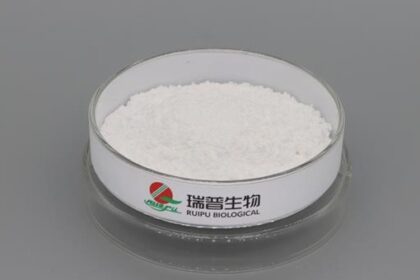
Calcium Gluconate is a calcium salt commonly used in supplements to treat or prevent calcium deficiency. Unlike other calcium supplements, it is known for its comparatively gentle effect on the gastrointestinal system, making it accessible for a broader range of individuals, including those with sensitive stomachs. This mineral is vital for numerous bodily functions, particularly in supporting the structural integrity of bones. As osteoporosis and other bone-related disorders become increasingly prevalent, understanding the benefits of Calcium Gluconate is essential.
Recent studies show that adequate calcium intake coupled with Vitamin D significantly enhances bone density and strength. Calcium Gluconate facilitates this process, providing an easily absorbed form of calcium that can help individuals meet their dietary requirements. For instance, a study published in a well-respected orthopedic journal explored the effects of Calcium Gluconate on postmenopausal women. The results indicated that women supplementing with Calcium Gluconate exhibited improved bone mineral density after just six months, highlighting its potential as a preventive measure against osteoporosis.
Incorporating Calcium Gluconate into one’s daily routine may be as simple as discussing dietary options with a healthcare provider or nutritionist. They can provide personalized advice on dosage and the best forms of supplementation, considering factors like age, sex, and overall health. Moreover, pairing Calcium Gluconate with other bone-health supplements, such as Magnesium and Vitamin K2, can create a synergistic effect, maximizing bone strength.
| Feature | Description | Benefits | Target Population | Potential Side Effects |
|---|---|---|---|---|
| Calcium Gluconate | Calcium salt used in supplements | Supports bone health | Individuals with calcium deficiency | Gastrointestinal issues |
| Absorption | Easily absorbed by the body | Improves bone density | Postmenopausal women | Less severe than other calcium supplements |
| Usage | Gentle on the GI system | Accessible for sensitive individuals | Lactose intolerant individuals | None for most individuals |
| Combination | Can be taken with other supplements | Enhances calcium absorption | All ages at risk of deficiency | Consult healthcare provider |
As the focus on preventative healthcare continues to grow, the implications of incorporating Calcium Gluconate into daily life cannot be overstated. By 2025, we could see a shift in how we approach bone health, moving beyond traditional methods to embrace innovative solutions. Assessing its potential in clinical trials and public health recommendations could significantly alter the landscape of bone care and prevention strategies.
In conclusion, while Calcium Gluconate has not yet been definitively labeled as the sole key to healthier bones by 2025, it represents a promising option for those seeking to improve their bone health. More awareness and research can elevate its status and ensure many benefit from its advantages. Engaging with healthcare providers to explore Calcium Gluconate's role could encourage proactive measures in promoting healthier bones for future generations.
What is Calcium Gluconate?
Calcium Gluconate is a calcium salt that is often used in dietary supplements to help treat or prevent calcium deficiency. It is favored for its gentle impact on the digestive system, making it easier for many people to incorporate into their diets.
This mineral plays a crucial role in maintaining various bodily functions, especially in supporting the strength and health of bones.

How does Calcium Gluconate benefit bone health?
Calcium Gluconate promotes bone health by providing an easily absorbed source of calcium, which is essential for building and maintaining strong bones. Research indicates that adequate calcium intake can improve bone density, especially in populations at risk for osteoporosis.
By incorporating Calcium Gluconate into a balanced diet, individuals can better meet their calcium needs, ultimately supporting overall bone integrity.
Who should consider taking Calcium Gluconate?
Calcium Gluconate may be particularly beneficial for individuals at risk of calcium deficiency, such as postmenopausal women, those with lactose intolerance, or anyone with a limited dietary intake of calcium-rich foods.
However, it's always best to consult with a healthcare provider to tailor the supplement based on individual health needs.
Are there any side effects associated with Calcium Gluconate?
Calcium Gluconate is generally well-tolerated, but like any supplement, it may cause side effects for some individuals. Possible gastrointestinal issues, such as bloating or constipation, can arise, although these are often less severe compared to other calcium supplements.
Monitoring your body's response and discussing any concerns with a healthcare professional is recommended to ensure a positive experience.
Can Calcium Gluconate be taken with other supplements?
Yes, Calcium Gluconate can be taken alongside other supplements, such as Vitamin D or Magnesium, which can enhance calcium absorption and bone health. Many healthcare providers recommend this combination for a comprehensive approach to bone wellness.
Always consult with a healthcare professional before starting new supplements to ensure compatibility and safety.