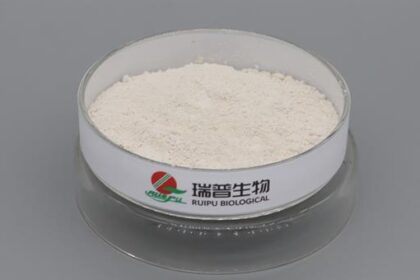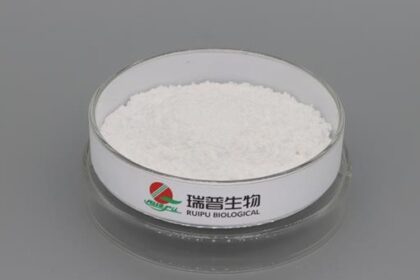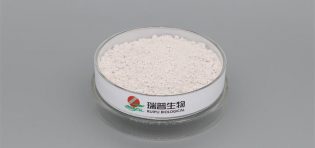
The functional beverage market is expanding rapidly as modern consumers increasingly seek drinks that offer more than just basic hydration. Among the various functional ingredients available today, zinc stands out as an essential mineral widely recognized for its role in supporting overall daily wellness and vitality. When sourcing high-quality nutrient raw materials for liquid formulations, manufacturers often prefer Zinc Lactate. Compared to other inorganic zinc salts, it offers favorable bioavailability and is generally gentler on the digestive system, making it an excellent, highly sought-after choice for both daily hydration drinks and specialized supplement raw materials.
However, incorporating this mineral into liquid formats is not always straightforward. Beverage formulators frequently encounter technical hurdles when working with zinc. The most common issues include a noticeable metallic aftertaste that can ruin the sensory experience, precipitation or cloudiness that affects the visual appeal of clear drinks, and unwanted chemical interactions with other beverage ingredients. Overcoming these formulation challenges requires a strategic approach to ensure the final product is both stable and enjoyable for the consumer.
The first essential tip is to carefully manage the pH level and solubility profile of your formulation. Zinc Lactate is highly soluble in water, but its stability can be compromised in highly acidic or highly alkaline environments, potentially leading to precipitation over the product shelf life. To address this, formulators should aim for a slightly acidic to neutral pH range, typically between 4.0 and 6.5, which keeps the zinc ions stable in the solution. For example, when developing a clear, lightly flavored sports drink, maintaining a pH around 4.5 using a mild buffer system like sodium citrate ensures the liquid remains crystal clear while preventing the zinc from dropping out of the suspension.
The second tip focuses on sensory optimization, specifically masking the inherent metallic notes of zinc. Even at relatively low concentrations, zinc can impart a harsh, astringent taste that consumers find unpleasant. To counteract this, it is highly effective to pair the mineral with robust, naturally tart flavor profiles. Citrus flavors like lemon, lime, or grapefruit, as well as dark berry blends, are excellent at covering metallic notes because their natural acidity and complex aromatic compounds distract the palate. In a practical scenario, if you are creating a vitamin-enhanced sparkling water, utilizing a tart cherry or yuzu flavor profile, combined with a touch of natural sweetener like stevia or monk fruit, will successfully neutralize the metallic edge and deliver a refreshing taste.
| Formulation Aspect | Potential Challenge | Recommended Solution | Example Application |
|---|---|---|---|
| pH and Solubility | Precipitation in extreme pH levels | Maintain pH between 4.0 and 6.5 using mild buffers | Clear sports drinks |
| Sensory Profile | Metallic or astringent aftertaste | Pair with tart citrus or dark berry flavors and natural sweeteners | Vitamin-enhanced sparkling water |
| Ingredient Interactions | Binding with calcium or phytates causing grittiness | Add Zinc Lactate in a separate pre-mix stage | Plant-based protein shakes |
The third crucial tip involves preventing negative interactions with other functional ingredients and macronutrients. Zinc can readily bind with compounds like phytates, certain dietary fibers, or high concentrations of calcium, which not only reduces the mineral bioavailability but can also cause textural issues like grittiness or gelation in the beverage. To mitigate this, formulators must carefully sequence the addition of ingredients during the manufacturing process and consider the use of appropriate stabilizers. For instance, when formulating a plant-based protein shake that requires both calcium and zinc, utilizing a specialized emulsion system and adding the Zinc Lactate in a separate pre-mix stage can prevent cross-binding, ensuring a smooth mouthfeel and maintaining the nutritional integrity of the drink.
Implementing these targeted application solutions provides significant commercial and technical value to brands looking to innovate in the highly competitive beverage sector. By mastering the technical nuances of Zinc Lactate, manufacturers can create high-quality beverage ingredients that consistently meet strict consumer expectations for both great taste and reliable nutritional density. This technical proficiency allows companies to seamlessly integrate functional ingredients into diverse product lines, ranging from everyday hydration beverages to specialized dietary supplements. Furthermore, partnering with experienced suppliers who understand these formulation intricacies ensures a smoother scale-up process from the lab to full-scale production, ultimately enhancing brand reputation and market share without compromising on product quality or consumer satisfaction.
In conclusion, while adding essential minerals to liquid formats presents distinct technical challenges, a thorough understanding of formulation science makes it entirely manageable. By controlling pH levels, employing smart flavor-masking techniques, and preventing ingredient interactions, product developers can successfully harness the benefits of Zinc Lactate. As the demand for functional, health-oriented drinks continues to grow, mastering these formulation strategies will remain a critical advantage for forward-thinking beverage and nutrition brands aiming to deliver exceptional products to the market.
Frequently Asked Questions
Why is Zinc Lactate preferred over other zinc salts for beverage formulations?
Zinc Lactate is often favored by beverage manufacturers because it offers excellent solubility and a milder taste profile compared to inorganic options like zinc sulfate.
This makes it much easier to integrate into liquid formats without causing severe metallic off-tastes or stability issues while providing favorable bioavailability for consumers.
How can formulators prevent the metallic aftertaste when adding zinc to drinks?
The most effective way to mask the natural metallic notes of zinc is by pairing it with robust and naturally tart flavor profiles like citrus or dark berry blends.
These strong fruit flavors work exceptionally well because their acidity and complex aromatics distract the palate, and adding natural sweeteners can further neutralize any harsh astringency.
What pH range is ideal for maintaining the stability of Zinc Lactate in clear beverages?
Formulators should generally aim for a slightly acidic to neutral pH range, typically between 4.0 and 6.5, to keep the zinc ions completely stable in the solution.
Maintaining this specific environment prevents the mineral from precipitating or causing unwanted cloudiness over the shelf life, especially when mild buffer systems are used to lock in the pH level.
Are there any ingredient interactions to watch out for when using Zinc Lactate in protein shakes?
Zinc can readily bind with compounds like phytates, certain dietary fibers, or high concentrations of calcium, which might reduce mineral bioavailability and cause textural issues like grittiness.
To mitigate this, it is crucial to carefully sequence the addition of ingredients during manufacturing and add the Zinc Lactate in a separate pre-mix stage to prevent cross-binding and ensure a smooth mouthfeel.