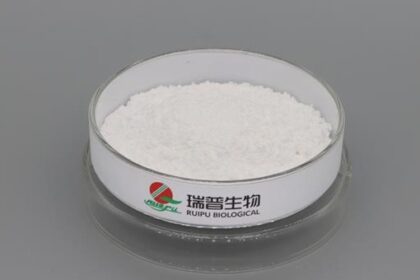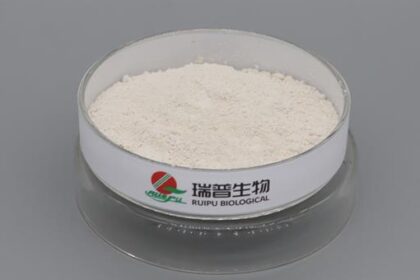
The global market for fortified foods and dietary supplements is expanding rapidly, driven by a rising consumer awareness of micronutrient deficiencies and overall daily wellness. For B2B manufacturers in the beverage and health food sectors, developing products that deliver essential minerals is a top strategic priority. Iron, in particular, remains one of the most sought-after nutrients due to its critical role in supporting normal energy metabolism and combating widespread fatigue. However, as the industry shifts towards clean-label and highly palatable functional products, formulators are under immense pressure to deliver effective nutrition without compromising the consumer experience. This shifting landscape has pushed research and development teams to reevaluate traditional fortification strategies and seek out more advanced nutrient raw materials that align with modern product expectations and stringent quality standards.
The central challenge in liquid and semi-liquid fortification has always been the highly reactive nature of conventional iron salts. When R&D teams attempt to use standard sources like ferrous sulfate in complex matrices, they immediately encounter a wall of sensory and physical stability issues. In beverage formulations, these traditional salts often catalyze the oxidation of vitamins and lipids through Fenton-like reactions, leading to unpleasant rancid notes, severe color degradation, and a distinctly harsh metallic aftertaste. Furthermore, when formulating liquid supplement raw materials, poor aqueous solubility frequently results in visible sedimentation at the bottom of the bottle, creating an inconsistent dosage and an unappealing visual experience for the end user. The persistent question echoing through formulation labs has been how to achieve high iron bioavailability and seamless liquid integration without destroying the delicate flavor profile and shelf stability of the final product.
This is exactly where Ammonia Ferric Citrate steps in and provides a definitive, scientifically sound answer. Unlike simple inorganic iron salts, Ammonia Ferric Citrate is a complexed iron source where the iron ion is tightly bound within a citrate matrix. This unique chemical structure effectively shields the iron from interacting prematurely with other sensitive components in the formulation, such as ascorbic acid, polyphenols, or delicate flavor compounds. Because it is highly soluble in water and exhibits a remarkably neutral taste profile, it successfully mitigates the metallic off-taste that plagues lesser ingredients. When research teams test these functional ingredients across various pH levels and thermal processing conditions, they demonstrate exceptional stability, remaining fully dissolved and organoleptically invisible even in highly sensitive, lightly flavored aqueous systems.
| Iron Source | Aqueous Solubility | Taste Profile | Liquid Stability | Best Application |
|---|---|---|---|---|
| Ammonia Ferric Citrate | High | Neutral | Excellent | Clear beverages, syrups |
| Ferrous Sulfate | High | Strong metallic | Poor | Tablets, capsules |
| Ferrous Gluconate | Moderate | Slight metallic | Moderate | Dark liquid supplements |
| Ferric Pyrophosphate | Low | Neutral | Good (suspension) | Powdered mixes, dairy |
| Ferrous Bisglycinate | Moderate | Mild metallic | Moderate | Protein shakes, bars |
The practical application solutions enabled by this advanced compound are truly transformative for commercial product development across multiple categories. Consider the development of a clear, fruit-flavored functional energy drink aimed at active professionals. By selecting Ammonia Ferric Citrate alongside other high-quality beverage ingredients, formulators can maintain the brilliant transparency and vibrant color of the drink while delivering a meaningful, consistent dose of iron without any cloudy precipitation over the product shelf life. Similarly, in the realm of plant-based milk alternatives and nutritional syrups, this compound ensures a smooth, pleasant mouthfeel without the gritty texture or bitter finish associated with older iron sources. It allows brands to confidently market clean-tasting, highly bioavailable health products that consumers actually enjoy consuming on a daily basis, thereby improving long-term compliance and fostering strong brand loyalty.
In the highly competitive landscape of modern nutritional manufacturing, the strategic choice of raw materials dictates both the premium quality of the final product and the overall efficiency of the production process. Ammonia Ferric Citrate has proven itself to be an indispensable asset for B2B formulators looking to overcome the historical limitations of liquid iron fortification. By successfully bridging the gap between high nutritional value and superior sensory performance, it empowers brands to innovate freely within both the beverage and supplement spaces. As consumer demands for effective, great-tasting functional foods continue to evolve, leveraging advanced, stable nutrient sources will remain a critical strategy for industry leaders aiming to deliver reliable and enjoyable health solutions to the global market.
Frequently Asked Questions (FAQ)
Why is iron fortification so tricky for liquid beverage manufacturers?
Traditional iron salts like ferrous sulfate are highly reactive and often cause severe sensory issues in liquid formulations. When added to beverages, these conventional sources can catalyze the oxidation of sensitive vitamins and lipids, resulting in an unpleasant metallic aftertaste and noticeable color degradation over time.

Furthermore, poor aqueous solubility frequently leads to visible sedimentation at the bottom of the bottle, which creates an inconsistent dosage for the consumer. This forces research and development teams to spend countless hours trying to mask these off-flavors or stabilize the suspension, ultimately driving up production costs and delaying product launches.
How exactly does Ammonia Ferric Citrate eliminate that harsh metallic taste?
The secret lies in its unique chemical structure, where the iron ion is tightly bound and shielded within a citrate matrix. This complexation prevents the free iron from interacting prematurely with delicate flavor compounds, polyphenols, or ascorbic acid commonly found in modern functional beverages.
Because the iron is effectively locked away until it is digested, the ingredient exhibits a remarkably neutral taste profile even at higher fortification levels. Formulators can confidently use it in lightly flavored or clear aqueous systems without worrying about the harsh, bitter notes that typically ruin the consumer experience.
Will this ingredient cause cloudiness or precipitation in clear fruit drinks?
Ammonia Ferric Citrate is highly soluble in water and remains exceptionally stable across a wide range of pH levels and thermal processing conditions. Unlike older inorganic iron sources that readily drop out of solution, this complexed iron stays fully dissolved, ensuring the beverage maintains its brilliant transparency from the production line to the retail shelf.
Manufacturers can expect consistent physical stability throughout a typical commercial shelf life ranging from 6 to 18 months without any gritty texture or cloudy sediment forming. This reliability makes it an ideal functional ingredient for premium clear energy drinks, vitamin waters, and fruit-flavored nutritional shots.
Is it a good choice for fortifying plant-based milk alternatives and nutritional syrups?
Plant-based matrices are notoriously difficult to fortify because they often contain phytates and other compounds that bind to free iron and inhibit absorption or cause severe discoloration. Ammonia Ferric Citrate bypasses these interactions beautifully due to its stable complex structure, preventing the unwanted chemical reactions that usually plague dairy-free formulations.
When integrated into oat, almond, or soy beverages, it ensures a smooth and pleasant mouthfeel without introducing any chalky or gritty textures. This allows health food brands to deliver a consistent, bioavailable dose of iron in their plant-based products while preserving the natural, creamy flavor profile that consumers expect.