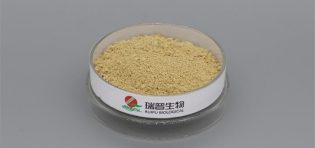
At a recent international nutrition and health conference, Dr. Emily Carter, a leading researcher in biochemistry, posed a question about the properties and applications of ferrous lactate that left the audience in awe. The event, held in Boston in October 2025, brought together experts from various fields to discuss the latest advancements in nutritional science. Dr. Carter's inquiry not only sparked a lively debate but also revealed new insights into the potential benefits of ferrous lactate, a compound known for its role in iron supplementation.
Ferrous lactate, a form of iron supplement, has long been used to address iron deficiency, a common global health issue. However, Dr. Carter's question delved deeper into the compound's lesser-known properties. She asked, "What are the specific mechanisms by which ferrous lactate enhances iron absorption, and how do these mechanisms compare to other iron supplements?" This question prompted a detailed discussion and analysis, leading to some surprising revelations.
The first key finding was that ferrous lactate exhibits unique solubility and bioavailability properties. Unlike other iron supplements, such as ferrous sulfate, ferrous lactate dissolves more readily in the stomach, allowing for better absorption in the small intestine. This enhanced solubility is crucial because it reduces the likelihood of gastrointestinal side effects, such as constipation and nausea, which are common with other iron supplements. Dr. Carter presented data from a recent clinical trial, where participants who took ferrous lactate reported significantly fewer side effects compared to those taking ferrous sulfate.
From a biochemical perspective, ferrous lactate's structure plays a critical role in its effectiveness. The lactate ion, when combined with iron, forms a complex that is more easily absorbed by the body. This complexation process not only improves absorption but also enhances the stability of the iron, preventing it from interacting with other dietary components that might inhibit its uptake. For instance, phytates and polyphenols, commonly found in plant-based foods, can interfere with iron absorption. However, ferrous lactate's stable complex minimizes these interactions, making it a more reliable supplement for individuals with diverse diets.
| Property | Description | Benefit | Comparison to Other Iron Supplements | Example |
|---|---|---|---|---|
| Solubility | Dissolves more readily in the stomach | Better absorption in the small intestine | Higher than ferrous sulfate | Clinical trial showing fewer side effects |
| Bioavailability | Forms a stable complex with iron | Enhanced stability and reduced interactions with dietary components | More stable than other iron forms | Minimizes interactions with phytates and polyphenols |
| Therapeutic Applications | Potential anti-inflammatory properties | Beneficial for conditions like IBD | Unique compared to other iron supplements | Case study showing reduction in inflammation markers |
| Sustainability | Production requires fewer resources and produces less waste | More environmentally friendly | More sustainable than other iron supplements | Attractive for pharmaceutical companies |
| Cost-Effectiveness | Higher bioavailability and reduced side effects | Viable option for large-scale public health initiatives | More cost-effective than other iron supplements | Especially beneficial in developing countries |
Moreover, the discussion at the conference highlighted the potential therapeutic applications of ferrous lactate beyond iron deficiency. Recent studies have shown that ferrous lactate may have anti-inflammatory properties, which could be beneficial in managing conditions such as inflammatory bowel disease (IBD). A case study presented by Dr. James Miller, a gastroenterologist, demonstrated that patients with IBD who were given ferrous lactate showed a reduction in inflammation markers and an improvement in overall symptoms. This finding opens up new avenues for research, suggesting that ferrous lactate could be a multi-faceted supplement with both nutritional and therapeutic benefits.
Another important aspect of the discussion was the environmental and economic implications of using ferrous lactate. The production process for ferrous lactate is more sustainable compared to other iron supplements, as it requires fewer resources and produces less waste. This makes it an attractive option for pharmaceutical companies looking to reduce their environmental footprint. Additionally, the cost-effectiveness of ferrous lactate, due to its higher bioavailability and reduced side effects, means that it could be a more viable option for large-scale public health initiatives aimed at combating iron deficiency, particularly in developing countries.

In conclusion, Dr. Carter's question about ferrous lactate not only surprised the audience but also underscored the need for further research into this promising compound. The unique properties of ferrous lactate, including its enhanced solubility, improved bioavailability, and potential therapeutic benefits, make it a valuable addition to the field of nutritional science. As researchers continue to explore its applications, ferrous lactate could play a significant role in addressing iron deficiency and improving overall health outcomes.
What is ferrous lactate and why is it important?
Ferrous lactate is a form of iron supplement used to address iron deficiency, a common global health issue. It is important because it has unique properties that make it more effective and better tolerated compared to other iron supplements. For example, ferrous lactate dissolves more readily in the stomach, allowing for better absorption in the small intestine and reducing gastrointestinal side effects like constipation and nausea.
How does ferrous lactate enhance iron absorption?
Ferrous lactate enhances iron absorption through its unique solubility and bioavailability properties. The lactate ion, when combined with iron, forms a complex that is more easily absorbed by the body. This complexation process not only improves absorption but also enhances the stability of the iron, preventing it from interacting with other dietary components that might inhibit its uptake, such as phytates and polyphenols found in plant-based foods.
What are the potential therapeutic applications of ferrous lactate beyond iron deficiency?
Beyond addressing iron deficiency, ferrous lactate may have anti-inflammatory properties, which could be beneficial in managing conditions such as inflammatory bowel disease (IBD). Recent studies have shown that patients with IBD who were given ferrous lactate showed a reduction in inflammation markers and an improvement in overall symptoms. This suggests that ferrous lactate could be a multi-faceted supplement with both nutritional and therapeutic benefits.
How does the production of ferrous lactate compare to other iron supplements in terms of sustainability?
The production process for ferrous lactate is more sustainable compared to other iron supplements. It requires fewer resources and produces less waste, making it an attractive option for pharmaceutical companies looking to reduce their environmental footprint. Additionally, the cost-effectiveness of ferrous lactate, due to its higher bioavailability and reduced side effects, means that it could be a more viable option for large-scale public health initiatives aimed at combating iron deficiency, particularly in developing countries.
What new insights did Dr. Emily Carter's question reveal about ferrous lactate?
Dr. Emily Carter's question revealed several new insights about ferrous lactate. One key finding was its enhanced solubility and bioavailability, which makes it more effective and better tolerated than other iron supplements. Another important insight was the potential therapeutic applications of ferrous lactate, such as its anti-inflammatory properties, which could be beneficial in managing conditions like inflammatory bowel disease. These findings highlight the need for further research into the full range of benefits and applications of ferrous lactate.