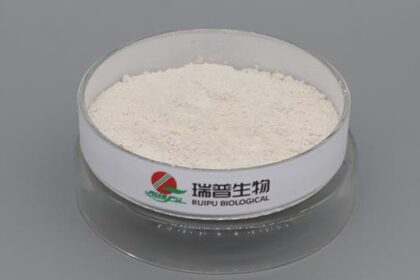
The first essential tip to easily nail your formulations is to master solubility through precise temperature control and hydration sequencing. Calcium Gluconate is moderately soluble in cold water but dissolves much more readily when introduced to heated aqueous systems. When developing a fortified juice or a sports drink, adding the calcium powder directly to a cold mixing tank often results in stubborn clumping and a gritty texture that is difficult to filter out. To solve this, formulators should pre-disperse the mineral in a small portion of warm water, typically around fifty to sixty degrees Celsius, before incorporating it into the main batch. This simple adjustment in the manufacturing process ensures complete hydration of the particles. For instance, a commercial plant producing a calcium-fortified oat milk beverage found that implementing a warm-water slurry step effectively eliminated the chalky residue that previously settled at the bottom of their cartons, resulting in a much smoother consumer experience.
The second critical strategy involves carefully managing pH levels and utilizing appropriate buffer systems to maintain mineral stability. Calcium salts are highly sensitive to acidic environments, which can lead to the degradation of the compound or cause it to react with other components like pectin or proteins, leading to unwanted gelation or separation. This is particularly relevant when working with acidic beverage ingredients such as fruit juices or vitamin C-enriched waters. If the pH drops too low, the calcium can precipitate out of the solution, creating an unappealing cloudy appearance or a sandy mouthfeel. By incorporating mild buffering agents like sodium citrate or potassium citrate, formulators can stabilize the pH within an optimal range, usually between four and six for most liquid applications. A practical scenario is a manufacturer creating a tart cherry recovery drink; by adjusting the buffering capacity of the liquid base before introducing the calcium, they successfully prevented the proteins from coagulating, thereby preserving the drink's vibrant clarity and refreshing texture.
The third and final tip focuses on preventing negative ingredient interactions by strategically using stabilizers and understanding the role of other functional ingredients in your matrix. In complex nutritional products, Calcium Gluconate can easily bind with phosphates, phytates, or certain dietary fibers, which not only reduces the free calcium available but can also alter the viscosity and flow properties of the product. When designing application solutions for high-fiber nutritional shakes or meal replacement powders, it is crucial to evaluate the entire ingredient deck for potential cross-reactivity. Utilizing hydrocolloids like gellan gum or carrageenan can help suspend the calcium particles uniformly throughout the liquid, preventing sedimentation during the product's shelf life. Consider a B2B client formulating a high-protein, high-calcium nutritional shake; by introducing a tailored blend of microcrystalline cellulose and gellan gum, they created a robust suspension network that kept the calcium evenly distributed, ensuring that each serving delivered a consistent nutritional profile without the need for excessive shaking by the end consumer.
| Formulation Challenge | Root Cause | Recommended Solution | Optimal Parameters |
|---|---|---|---|
| Clumping and Gritty Texture | Direct addition to cold mixing tanks | Pre-disperse in warm water slurry | 50°C to 60°C |
| Precipitation in Acidic Drinks | Low pH reacting with calcium salts | Incorporate mild buffering agents | Target pH 4.0 to 6.0 |
| Sedimentation in Complex Matrices | Cross-reactivity with fibers and proteins | Utilize suspension stabilizer networks | Gellan gum or cellulose blends |
Implementing these targeted formulation strategies delivers immense application value for manufacturers operating in the competitive health and wellness sector. By proactively addressing solubility, pH balance, and ingredient interactions, companies can significantly reduce production downtime, minimize batch rejections, and extend the shelf stability of their products. Mastering the use of Calcium Gluconate allows research and development teams to confidently innovate, transforming basic nutrient raw materials into premium, high-quality market offerings. Ultimately, a thorough grasp of these technical nuances empowers brands to deliver superior beverage and supplement products that consistently meet both rigorous manufacturing standards and high consumer expectations. As the demand for effective and palatable nutritional products continues to grow, leveraging these practical formulation insights will remain a cornerstone of successful product development in the food and dietary supplement industries.
Frequently Asked Questions
Why does Calcium Gluconate clump when I add it to cold water?
Calcium Gluconate has moderate solubility in cold water, which means it struggles to dissolve completely without some thermal assistance. When you dump the powder directly into a cold mixing tank, the outer layer of the particles hydrates too quickly and forms a gel-like barrier that traps the dry powder inside.

This results in those stubborn clumps and a gritty texture that can ruin the mouthfeel of your final beverage. To prevent this from happening, you should always introduce the mineral to a heated aqueous system first to allow the particles to hydrate evenly.
What is the best temperature for dissolving Calcium Gluconate effectively?
For optimal dissolution, you will want to heat your water or liquid base to a temperature range between 50 and 60 degrees Celsius before adding the calcium powder. This specific warmth provides enough thermal energy to break down the crystal structure of the salt without degrading any heat-sensitive vitamins you might add later.
Once the Calcium Gluconate is completely dissolved in this warm slurry, you can safely mix it into your main cold tank. This two-step hydration sequencing ensures a smooth and grit-free texture in products like fortified juices or sports drinks.
Can I use Calcium Gluconate in highly acidic beverages like fruit juices?
You can definitely use it in acidic beverages, but you have to be very careful about the pH levels and potential interactions with other ingredients. Highly acidic environments can sometimes cause calcium salts to precipitate or react with proteins and pectins, leading to unwanted separation or a cloudy appearance.
To keep your formulation stable, it is highly recommended to use mild buffering agents to maintain the pH within an optimal range. By stabilizing the liquid base before adding your calcium slurry, you can preserve the vibrant clarity and refreshing texture of your fruit juice products.