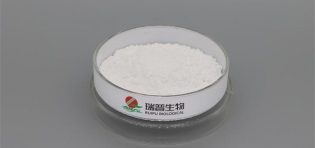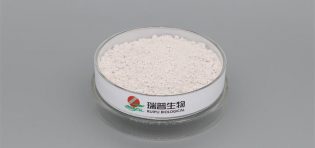
In the rapidly evolving landscape of functional food and beverage development, formulators are constantly seeking ways to enhance nutritional profiles without compromising sensory qualities. As consumer demand for clear, refreshing, and nutrient-dense drinks rises, selecting the right nutrient raw materials becomes a critical step in modern product design. Calcium fortification remains a top priority for many health-conscious brands, and Calcium Lactate is frequently chosen for its mild taste, high bioavailability, and gentle impact on the digestive system. However, while it is a widely recognized staple among health supplement raw materials, many product developers still struggle to unlock its full potential when working with complex, high-acid liquid matrices.
The most frequent challenge arises when incorporating Calcium Lactate into highly acidic environments, such as fruit-flavored functional drinks, energy shots, or liquid vitamin supplements. Formulators often report frustrating issues like unexpected precipitation, slight cloudiness in otherwise crystal-clear beverages, or an unpleasant chalky mouthfeel that lingers on the palate. The standard industry practice of simply adding the dry powder directly into the main mixing vat often leads to these severe stability issues. This happens because the calcium ions rapidly interact with unbuffered acids or specific functional ingredients, forming insoluble complexes before the Calcium Lactate has fully dissolved and evenly distributed into the solution. This not only affects the visual appeal of the beverage but also leads to inconsistent nutrient dosing across different bottles, creating quality control headaches for the manufacturing team.
The lesser-known technique that effectively resolves this issue involves a precise two-stage hydration and pH-staging method. Instead of direct dry addition, the trick is to pre-hydrate the Calcium Lactate in a separate slip tank using warm water heated to exactly forty-five to fifty degrees Celsius. This specific temperature range is crucial because it accelerates the dissolution process and breaks down powder clumps without thermally degrading the delicate compound. Once fully dissolved into a clear liquid slurry, it should be introduced into the main batch only after the primary acidulants have been partially buffered. For example, when developing a clear citrus sports drink, a formulation team might first dissolve their citric acid and buffer it slightly with a mild sodium citrate solution to raise the pH just a fraction. Only after this pH baseline is carefully established should the pre-hydrated Calcium Lactate slurry be slowly integrated under continuous high-shear agitation. This sequential staging prevents any sudden spike in localized calcium ion concentration, ensuring that the calcium remains perfectly soluble and does not react prematurely with pectins, proteins, or other sensitive beverage ingredients present in the mix.
| Formulation Parameter | Traditional Method | Optimized Trick | Primary Benefit |
|---|---|---|---|
| Addition State | Dry powder directly to vat | Pre-hydrated liquid slurry | Prevents powder clumping |
| Hydration Temperature | Ambient temperature water | 45°C to 50°C warm water | Accelerates complete dissolution |
| pH Environment | Unbuffered high-acid mix | Partially buffered baseline | Prevents premature precipitation |
| Mixing Technique | Standard low-shear stirring | Continuous high-shear agitation | Ensures even ion distribution |
| Final Beverage Clarity | Cloudy with sediment risk | Brilliantly clear and stable | Enhances visual consumer appeal |
Implementing these specialized application solutions offers tremendous commercial value for large-scale production facilities. By preventing premature precipitation at the molecular level, manufacturers can achieve a brilliantly clear final product that maintains its visual integrity and nutritional consistency throughout its expected shelf life. Furthermore, this method ensures a remarkably smooth, clean mouthfeel, which is highly important for consumer acceptance and repeat purchases in the premium beverage market. From an operational and financial standpoint, this technique significantly reduces costly batch rejections, minimizes equipment fouling, and eliminates the need for excessive artificial stabilizers or heavy suspending agents. When formulators truly understand how to properly manipulate the physical chemistry of their functional ingredients, they can create much cleaner product labels and more robust, reliable formulations. This level of technical mastery transforms a basic nutritional fortification step into a significant competitive advantage for the brand.
Mastering the subtle, often overlooked behaviors of nutrient raw materials is what distinguishes average, problematic formulations from exceptional, market-leading ones. The two-stage hydration and pH-staging trick for Calcium Lactate clearly demonstrates that even the most familiar and widely used health supplement raw materials require precise, calculated handling to perform optimally in modern applications. As the food and beverage industry continues to push the boundaries of what is scientifically possible in clear, highly functional liquids, adopting these advanced technical methodologies will be essential. Brands and contract manufacturers that embrace these nuanced application solutions will be best positioned to deliver high-quality, stable, and great-tasting products that meet the rigorous demands of today's health-conscious consumers.
Frequently Asked Questions
Why does Calcium Lactate sometimes cause cloudiness in clear beverages?
Many formulators notice unexpected cloudiness or precipitation when adding calcium to high-acid drinks like fruit juices or sports beverages. This usually happens because the dry powder is dumped directly into the main mixing vat, causing the calcium ions to react too quickly with unbuffered acids or other sensitive ingredients before they can fully dissolve.

When these insoluble complexes form early in the mixing process, they ruin the visual clarity of your final product and create an unpleasant chalky texture. By understanding this chemical reaction, you can easily adjust your mixing sequence to keep the beverage perfectly clear and smooth.
What is the two-stage hydration trick for mixing Calcium Lactate?
The secret trick involves pre-hydrating your Calcium Lactate in a separate slip tank using warm water heated to around forty-five to fifty degrees Celsius instead of adding it dry. This specific temperature range helps break down powder clumps and speeds up dissolution without damaging the delicate nutritional compound.
Once you have a clear liquid slurry, you should only introduce it into the main batch after your primary acids have been slightly buffered. This careful staging prevents any sudden spikes in localized calcium concentration, ensuring your functional ingredients remain completely soluble and stable throughout the shelf life of the drink.
How does proper Calcium Lactate handling improve the final product mouthfeel?
Consumers are highly sensitive to the texture of their beverages, and nothing ruins a refreshing drink faster than a gritty or chalky aftertaste. When calcium precipitates out of the solution due to improper mixing, those tiny undissolved particles coat the palate and create a very unpleasant drinking experience.
By using the pre-hydration and pH-staging method, you guarantee that the calcium is fully integrated at a molecular level before the beverage is bottled. This results in a remarkably clean and smooth mouthfeel that feels just like a regular non-fortified drink, which is absolutely crucial for keeping health-conscious customers coming back for more.
Can this mixing technique help reduce production costs for beverage manufacturers?
Dealing with batch rejections and equipment fouling caused by calcium precipitation can be incredibly expensive for large-scale production facilities. When calcium drops out of the solution, it not only ruins the current batch but also leaves stubborn residue inside the mixing tanks and piping that requires extensive and costly cleaning.
Implementing this simple two-stage hydration trick drastically minimizes these operational headaches and reduces the need for expensive artificial stabilizers or heavy suspending agents. You end up with a much more reliable manufacturing process, cleaner equipment, and a cleaner product label that easily appeals to modern consumers looking for simple ingredients.