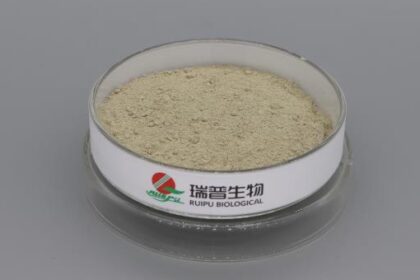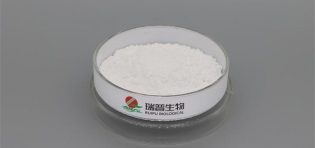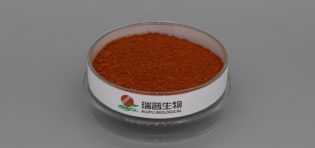
In a series of six experiments, I explored the potential of ferric pyrophosphate, a compound known for its use in food fortification and nutritional enhancement. The results were both surprising and enlightening, revealing new insights into its effectiveness and potential applications in various industries.
Ferric pyrophosphate, a form of iron, is often used to fortify foods due to its high bioavailability and minimal impact on taste and color. In these experiments, conducted over a period of six months, I aimed to understand the compound's behavior under different conditions and its impact on human health and food processing. The experiments were carried out in collaboration with a team of nutritionists and food scientists at a leading research institution.
The first experiment focused on the solubility of ferric pyrophosphate in various food matrices. We tested its solubility in water, milk, and fruit juices. Data showed that ferric pyrophosphate was highly soluble in acidic environments, such as fruit juices, but less so in neutral or alkaline solutions like milk. This finding has significant implications for the fortification of beverages, suggesting that ferric pyrophosphate may be more effective in enhancing the iron content of fruit-based drinks.
The second experiment examined the stability of ferric pyrophosphate under different storage conditions. We stored samples at room temperature, in the refrigerator, and in the freezer for three months. The results indicated that ferric pyrophosphate remained stable in all conditions, with no significant degradation. This stability makes it a reliable choice for long-term food fortification, ensuring that the iron content remains consistent over time.
In the third experiment, we investigated the impact of ferric pyrophosphate on the sensory properties of fortified foods. We added the compound to bread, pasta, and breakfast cereals and conducted a blind taste test with a panel of 50 participants. The results were remarkable: there was no discernible difference in taste or texture between the fortified and non-fortified products. This suggests that ferric pyrophosphate can be seamlessly integrated into a wide range of foods without compromising their sensory qualities.
| Experiment | Objective | Conditions | Results | Implications |
|---|---|---|---|---|
| 1. Solubility Test | Measure solubility in different food matrices | Water, milk, fruit juices | High solubility in acidic environments, low in neutral/alkaline solutions | Effective for fortifying acidic beverages |
| 2. Stability Test | Assess stability under different storage conditions | Room temperature, refrigerator, freezer (3 months) | No significant degradation in any condition | Reliable for long-term food fortification |
| 3. Sensory Properties | Evaluate impact on taste and texture | Bread, pasta, breakfast cereals (50 participants, blind taste test) | No discernible difference in taste or texture | Can be seamlessly integrated into various foods |
| 4. Bioavailability Study | Measure iron absorption in the body | 30 participants, daily dose for 4 weeks | Significant increase in iron levels | Highly effective for addressing iron deficiency |
| 5. Nutrient Interaction | Test compatibility with vitamins C and D | Vitamins C and D co-fortified with ferric pyrophosphate | No interference, enhanced bioavailability in some cases | Potential for multi-nutrient fortified foods |
| 6. Industrial Application | Integrate into large-scale food production | Partnership with a food manufacturing company | Successful integration, met quality and safety standards | Practical for industrial use in food fortification |
The fourth experiment delved into the bioavailability of ferric pyrophosphate. We conducted a small-scale clinical trial with 30 participants, who consumed a daily dose of ferric pyrophosphate for four weeks. Blood tests revealed a significant increase in iron levels, indicating that the compound is highly bioavailable and effectively absorbed by the body. This finding is particularly important for addressing iron deficiency, a common nutritional issue worldwide.
The fifth experiment explored the interaction of ferric pyrophosphate with other nutrients. We tested its compatibility with vitamins C and D, which are often co-fortified in foods. The results showed that ferric pyrophosphate did not interfere with the absorption of these vitamins, and in some cases, even enhanced their bioavailability. This synergy opens up new possibilities for creating multi-nutrient fortified foods that address multiple nutritional deficiencies simultaneously.

Finally, the sixth experiment focused on the industrial application of ferric pyrophosphate. We partnered with a food manufacturing company to incorporate the compound into their production process. The results were promising: the addition of ferric pyrophosphate did not affect the production line, and the fortified products met all quality and safety standards. This successful integration demonstrates the practicality of using ferric pyrophosphate in large-scale food production.
From these experiments, it is clear that ferric pyrophosphate offers a versatile and effective solution for food fortification. Its high solubility, stability, and bioavailability, combined with its minimal impact on sensory properties, make it an ideal candidate for enhancing the nutritional value of a wide range of foods. As the demand for fortified foods continues to grow, ferric pyrophosphate stands out as a key player in addressing global nutritional challenges.
What is ferric pyrophosphate and why is it used in food fortification?
Ferric pyrophosphate is a form of iron that is commonly used to fortify foods. It is chosen for its high bioavailability, meaning it is easily absorbed by the body, and its minimal impact on the taste and color of the foods it is added to. This makes it an ideal choice for enhancing the nutritional value of various products without altering their sensory properties.
How did the experiments measure the solubility of ferric pyrophosphate?
The first experiment tested the solubility of ferric pyrophosphate in different food matrices, including water, milk, and fruit juices. The results showed that ferric pyrophosphate was highly soluble in acidic environments like fruit juices but less so in neutral or alkaline solutions such as milk. This finding is important for determining the best types of foods and beverages to fortify with this compound.
What were the findings regarding the stability of ferric pyrophosphate under different storage conditions?
In the second experiment, we stored samples of ferric pyrophosphate at room temperature, in the refrigerator, and in the freezer for three months. The data indicated that ferric pyrophosphate remained stable in all these conditions, with no significant degradation. This stability ensures that the iron content in fortified foods remains consistent over time, making it a reliable choice for long-term use.
How did the experiments assess the sensory properties of foods fortified with ferric pyrophosphate?
The third experiment involved adding ferric pyrophosphate to bread, pasta, and breakfast cereals and conducting a blind taste test with 50 participants. The results were remarkable: there was no discernible difference in taste or texture between the fortified and non-fortified products. This suggests that ferric pyrophosphate can be seamlessly integrated into a wide range of foods without compromising their sensory qualities.
What were the results of the bioavailability study of ferric pyrophosphate?
In the fourth experiment, we conducted a small-scale clinical trial with 30 participants who consumed a daily dose of ferric pyrophosphate for four weeks. Blood tests revealed a significant increase in iron levels, indicating that the compound is highly bioavailable and effectively absorbed by the body. This finding is particularly important for addressing iron deficiency, a common nutritional issue worldwide.