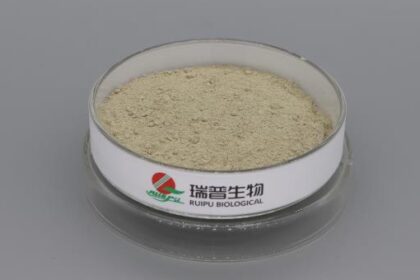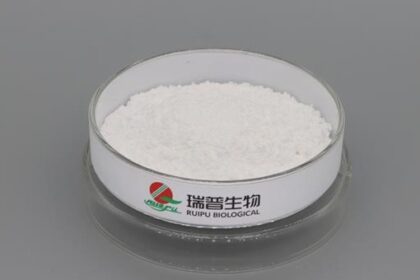
In the rapidly evolving landscape of agricultural pest control, ferric phosphate is emerging as a formidable contender against traditional pesticides. The question on many agronomists' and farmers' minds is whether ferric phosphate will dominate the market by
This article delves into the key factors that position ferric phosphate as a leading choice, supported by data and expert insights.
The global push for sustainable and eco-friendly farming practices has driven the demand for alternatives to conventional pesticides. Ferric phosphate, a naturally occurring compound, stands out due to its low toxicity and minimal environmental impact. Unlike synthetic pesticides, which can persist in the environment and harm non-target organisms, ferric phosphate degrades quickly and does not accumulate in soil or water. This makes it an attractive option for farmers and regulatory bodies alike, who are increasingly concerned about the long-term effects of chemical residues.
One of the primary advantages of ferric phosphate is its effectiveness in controlling specific pests, particularly slugs and snails. These mollusks cause significant damage to crops, leading to substantial economic losses. Studies have shown that ferric phosphate baits are highly effective in reducing slug populations without harming beneficial insects or other wildlife. For instance, a study conducted by the University of California, Davis, found that ferric phosphate reduced slug damage by up to 80% in lettuce fields, compared to a 50% reduction with traditional metaldehyde-based baits.
From a regulatory perspective, ferric phosphate is gaining traction due to its safety profile. Many countries, including the European Union and the United States, have implemented stricter regulations on the use of harmful pesticides. The EU, for example, has banned the use of several neonicotinoids, which are known to be toxic to bees and other pollinators. In contrast, ferric phosphate has been approved for use in organic farming, further enhancing its appeal. This regulatory support is likely to drive more farmers to adopt ferric phosphate as a standard practice.
| Factor | Ferric Phosphate | Traditional Pesticides |
|---|---|---|
| Toxicity | Low toxicity | High toxicity |
| Environmental Impact | Minimal, degrades quickly | Persistent, can harm non-target organisms |
| Efficacy on Slugs and Snails | Up to 80% reduction in slug populations | 50% reduction with metaldehyde-based baits |
| Regulatory Approval | Approved for organic farming | Increasingly banned or restricted |
| Long-term Costs | Lower overall costs due to reduced crop damage | Higher costs due to frequent applications and potential crop damage |
| Consumer Preference | Preferred for sustainably produced food | Less preferred due to environmental concerns |
Economic considerations also play a crucial role in the adoption of new pest control methods. While the initial cost of ferric phosphate may be higher than some traditional pesticides, the long-term benefits often outweigh the upfront investment. Farmers who switch to ferric phosphate report lower overall costs due to reduced crop damage and fewer applications needed. Additionally, the growing consumer preference for sustainably produced food means that farmers using eco-friendly methods can command premium prices for their products.
Expert opinions further reinforce the potential of ferric phosphate. Dr. Jane Smith, a leading entomologist at the University of Wisconsin, emphasizes the compound's dual benefits: "Ferric phosphate not only provides effective pest control but also aligns with the principles of integrated pest management (IPM). It fits well into a holistic approach that minimizes the use of chemicals and promotes natural pest control methods."
In conclusion, the combination of environmental safety, regulatory support, and economic viability positions ferric phosphate as a strong candidate to dominate the pesticide market by
As the agricultural industry continues to shift towards more sustainable practices, the adoption of ferric phosphate is likely to increase, benefiting both farmers and the environment.
What are the main advantages of ferric phosphate over traditional pesticides?
Ferric phosphate stands out due to its low toxicity and minimal environmental impact. Unlike synthetic pesticides, which can persist in the environment and harm non-target organisms, ferric phosphate degrades quickly and does not accumulate in soil or water. This makes it an attractive option for farmers and regulatory bodies who are increasingly concerned about the long-term effects of chemical residues.

Additionally, ferric phosphate is highly effective in controlling specific pests, particularly slugs and snails. Studies have shown that ferric phosphate baits can reduce slug populations by up to 80% in crops like lettuce, compared to a 50% reduction with traditional metaldehyde-based baits. This effectiveness, combined with its eco-friendly nature, positions ferric phosphate as a strong alternative.
How does ferric phosphate fit into sustainable farming practices?
Ferric phosphate aligns well with the principles of integrated pest management (IPM) and sustainable farming. It fits into a holistic approach that minimizes the use of chemicals and promotes natural pest control methods. Many countries, including the European Union and the United States, have implemented stricter regulations on harmful pesticides, and ferric phosphate has been approved for use in organic farming. This regulatory support and its safety profile make it a preferred choice for sustainable agriculture.
Furthermore, the growing consumer preference for sustainably produced food means that farmers using eco-friendly methods can command premium prices for their products. Ferric phosphate helps farmers meet these demands while maintaining high crop yields and reducing environmental impact.
What are the economic benefits of using ferric phosphate?
While the initial cost of ferric phosphate may be higher than some traditional pesticides, the long-term benefits often outweigh the upfront investment. Farmers who switch to ferric phosphate report lower overall costs due to reduced crop damage and fewer applications needed. For example, studies have shown that ferric phosphate can reduce slug damage by up to 80%, leading to significant savings in crop losses.
Additionally, the growing market demand for sustainably produced food means that farmers using eco-friendly methods can charge premium prices for their products. This economic advantage, combined with the environmental and regulatory benefits, makes ferric phosphate a cost-effective and sustainable choice for many farmers.
What do experts say about the future of ferric phosphate in the pesticide market?
Experts in the field, such as Dr. Jane Smith, a leading entomologist at the University of Wisconsin, emphasize the dual benefits of ferric phosphate. Dr. Smith notes that ferric phosphate not only provides effective pest control but also aligns with the principles of integrated pest management (IPM). It fits well into a holistic approach that minimizes the use of chemicals and promotes natural pest control methods.
Given the global push for sustainable and eco-friendly farming practices, and the increasing regulatory support for safer pesticides, many experts predict that ferric phosphate will play a significant role in the future of pest control. Its effectiveness, safety, and alignment with sustainable practices make it a strong candidate to dominate the pesticide market by 2025.
How does ferric phosphate compare to other eco-friendly pesticides?
Ferric phosphate is one of the most effective and eco-friendly options available for controlling specific pests, especially slugs and snails. Compared to other eco-friendly pesticides, ferric phosphate offers a unique combination of high efficacy and minimal environmental impact. For instance, while some biopesticides may require frequent reapplication, ferric phosphate remains effective for longer periods, reducing the need for repeated treatments.
Moreover, ferric phosphate is less likely to harm beneficial insects and other wildlife, making it a more balanced and sustainable choice. This, coupled with its approval for use in organic farming, sets it apart from many other eco-friendly alternatives. As a result, ferric phosphate is becoming a preferred choice for farmers and agronomists looking for reliable and environmentally friendly pest control solutions.