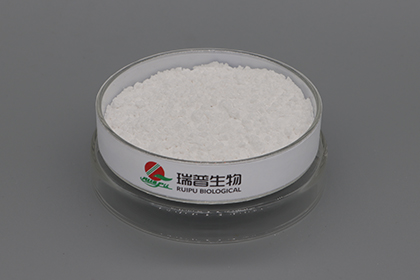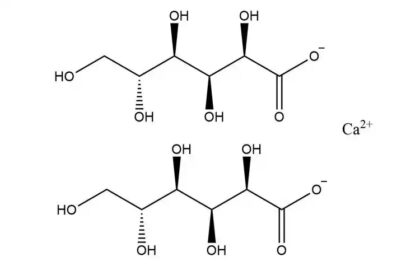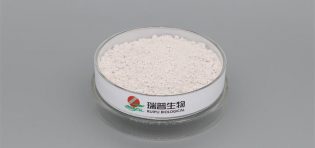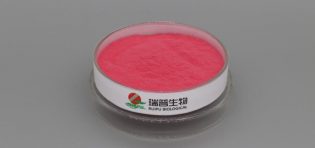
Despite its widespread use and economic benefits, formulators frequently encounter significant technical hurdles when integrating this specific iron compound into complex liquid or semi-solid matrices. The most common issues include a pronounced metallic aftertaste, the catalytic oxidation of sensitive compounds, and undesirable color shifts in transparent liquid applications. When added directly to an aqueous base, free iron ions can readily interact with polyphenols, vitamins, and natural colorants, leading to rapid degradation of the product's sensory and nutritional profile. For instance, when developing a clear botanical tea enriched with iron, the direct addition of the raw powder almost inevitably results in a cloudy appearance and a harsh, astringent finish that completely ruins the delicate tea notes. This high reactivity severely limits the use of this compound in clear drinks, delicate flavored waters, and premium health supplement raw materials, forcing many research and development teams to abandon it in favor of more expensive alternatives.
The secret to overcoming these formulation barriers lies in a specific, often overlooked pre-treatment protocol that drastically alters how the iron interacts with the surrounding matrix during the manufacturing process. Instead of dispersing the powder directly into the main mixing vessel, the trick involves creating a localized, buffered micro-environment through a carefully controlled sequential hydration process. First, the compound is pre-dispersed in a highly viscous hydrocolloid solution, such as a low-acyl gellan gum or pectin base, mixed with a mild organic acid like citric acid or ascorbic acid. The optimal ratio typically involves suspending one part of the iron compound in ten parts of the hydrocolloid solution, ensuring complete and uniform particle envelopment. This crucial step effectively coats the individual particles, creating a physical and chemical barrier that prevents premature oxidation and successfully masks the metallic taste. Once this pre-mix is fully hydrated and stabilized, it is gently folded into the primary batch, ensuring the iron remains inert during initial processing.
Implementing this targeted hydration technique unlocks immense practical value for manufacturers working with diverse product categories and complex formulations. For beverage developers, it means they can finally utilize this economical iron source in fruit-flavored waters and sports drinks without triggering the severe browning reactions typically associated with free iron and natural fruit extracts. In the realm of dietary supplements, particularly in chewable tablets or gummy formats, this method prevents the iron from catalyzing the breakdown of natural fruit flavors and colors during the high-heat manufacturing process, ensuring that sensitive functional ingredients retain their potency throughout the product's shelf life. Furthermore, this approach provides formulators with highly adaptable application solutions, allowing them to scale up production smoothly without needing to invest in expensive micro-encapsulation equipment or completely overhaul their existing manufacturing lines.
| Formulation Challenge | Direct Addition Result | Pre-dispersion Trick Result | Primary Cause | Affected Ingredients |
|---|---|---|---|---|
| Metallic Aftertaste | Harsh and Astringent | Masked and Smooth | Free Iron Ions | Taste Receptors |
| Color Shifting | Rapid Browning | Stable and Clear | Catalytic Oxidation | Natural Colorants |
| Nutrient Degradation | High Vitamin Loss | Retained Potency | Redox Reactions | Ascorbic Acid |
| Polyphenol Interaction | Cloudy Precipitate | Clear Suspension | Ion Binding | Botanical Extracts |
| Overall Sensory Profile | Poor Acceptance | High Viability | Matrix Instability | Flavor Compounds |
Mastering the nuanced handling of essential minerals is what separates average products from exceptional ones in the modern nutritional industry. While this specific iron source presents certain reactivity challenges, applying this strategic pre-dispersion technique effectively neutralizes its drawbacks while maximizing its nutritional and economic benefits. As the industry continues to innovate, understanding the deep technical interactions between nutrient raw materials and their surrounding matrices will remain crucial for successful and scalable product development. By adopting these refined processing methods, manufacturers can confidently expand their portfolios, delivering high-quality, iron-fortified foods and supplements that consistently meet the rigorous sensory and nutritional demands of today's health-conscious consumers.
Frequently Asked Questions (FAQ)
Why does my iron-fortified beverage develop a metallic aftertaste?
This usually happens when free iron ions interact directly with the aqueous base and other sensitive ingredients in your formulation.
When you add the raw powder straight into the mix, it releases ions that trigger a harsh and astringent flavor profile.
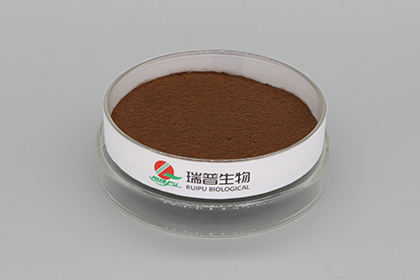
By using a specific pre-dispersion trick with hydrocolloids, you can effectively coat the particles and mask that unwanted metallic taste.
How can I prevent color shifting and browning in clear functional drinks?
Color shifting is primarily caused by the catalytic oxidation of natural colorants and polyphenols by free iron.
If you hydrate the iron compound in a buffered micro-environment using a mild organic acid and a viscous gum base first, it creates a protective barrier.
This prevents the iron from prematurely reacting with your delicate botanical extracts or fruit flavors during the initial mixing stages.
Is it possible to use this economical iron source in gummy supplements without degrading the flavors?
Yes, it is absolutely possible if you apply the right sequential hydration process before introducing it to the high-heat gummy mixture.
Pre-dispersing the compound ensures that it remains relatively inert and does not catalyze the breakdown of natural fruit flavors during manufacturing.
This approach allows you to maintain the sensory quality of your chewable supplements while keeping your raw material costs between 15 and 20 percent lower than premium encapsulated alternatives.