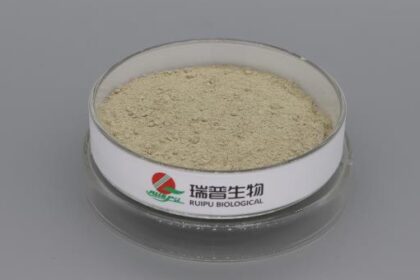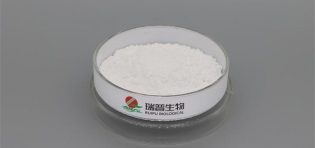
The modern food and beverage sector is experiencing a significant surge in demand for fortified products, driving manufacturers to seek high-quality nutrient raw materials. Among the various options available, Calcium Gluconate stands out as a highly preferred calcium source due to its excellent bioavailability, neutral taste profile, and gentle impact on the digestive system. As consumers increasingly look for functional beverages and dietary supplements that support their daily nutritional needs, food scientists are constantly exploring innovative ways to incorporate this essential mineral into diverse product matrices. However, despite its widespread popularity, many product developers struggle to unlock its full potential in complex formulations, often overlooking a critical processing technique that can dramatically transform the final product quality.
The primary challenge formulators face when working with Calcium Gluconate lies in its solubility and stability characteristics, particularly in liquid applications. When used as a core component in beverage ingredients, it is known for causing cloudiness, sedimentation, or an undesirable chalky mouthfeel if not processed correctly. In the realm of health supplement raw materials, improper blending can lead to ingredient clumping, uneven distribution, and degraded shelf stability when exposed to varying humidity levels. Many manufacturers attempt to solve these issues by simply increasing the mixing time or adding excessive amounts of suspension agents, which compromises the clean-label appeal of the product. The root cause of these formulation failures is often a misunderstanding of the specific thermodynamic and pH-dependent behaviors of Calcium Gluconate during the hydration phase, leading to suboptimal integration with other functional ingredients.
The lesser-known trick to mastering Calcium Gluconate formulation is a precise, step-wise thermal hydration and pH-buffering protocol. Instead of adding the powder directly to cold or room-temperature water, a highly effective method involves pre-hydrating the Calcium Gluconate in a localized, high-shear mixing environment at exactly 60 to 65 degrees Celsius. At this specific temperature range, the molecular structure of the gluconate salt relaxes, allowing for rapid dissociation without degrading the compound. Once fully hydrated, the solution must be immediately buffered using a precise ratio of citric acid and malic acid to lower the pH to between 3.8 and 4.2 before introducing any other components. This specific acidic environment acts as a protective chelating shield, preventing the calcium ions from reacting with proteins, pectins, or phosphates later in the formulation process. For example, a sports drink manufacturer recently implemented this exact thermal-buffering technique and successfully eliminated the micro-precipitation issues that had plagued their previous calcium-fortified prototypes, resulting in a visually clear and stable beverage.
| Parameter | Optimal Condition | Primary Benefit | Application Example |
|---|---|---|---|
| Hydration Temperature | 60°C to 65°C | Rapid molecular dissociation | Clear functional beverages |
| pH Buffering Range | 3.8 to 4.2 | Prevents ion precipitation | Fortified sports drinks |
| Bioavailability Level | High | Efficient calcium absorption | Dietary supplements |
| Taste Profile | Neutral | No chalky aftertaste | Flavored liquid supplements |
| Digestive Impact | Gentle | Minimizes stomach discomfort | Sensitive consumer products |
| Mixing Environment | High-shear | Prevents ingredient clumping | Powdered health blends |
Implementing this specialized hydration and buffering technique offers tremendous value for B2B clients developing advanced application solutions. For beverage manufacturers, it promotes optical clarity and a smooth, refreshing mouthfeel, which are critical consumer acceptance factors in the functional drink market. For producers of health supplement raw materials, this method ensures uniform dispersion and prevents the caking of powdered blends, thereby extending the product shelf life and ensuring consistent dosing in every serving. Furthermore, by optimizing the solubility of Calcium Gluconate, formulators can reduce the need for artificial stabilizers and heavy suspension agents, aligning perfectly with the growing consumer demand for clean, transparent, and minimalist ingredient labels. This strategic approach not only enhances the physical stability of the product but also supports the bioavailability of the calcium, ensuring that the end consumer receives the intended nutritional profile in a highly efficient manner.
In the highly competitive landscape of nutritional product development, the difference between a mediocre formulation and a market-leading product often lies in the mastery of processing details. While Calcium Gluconate remains one of the most reliable nutrient raw materials available, its optimal performance and aesthetic appeal can only be realized through scientifically sound application solutions. By adopting this targeted thermal hydration and pH-buffering technique, manufacturers can overcome traditional formulation hurdles and create superior, stable, and highly bioavailable products. As the industry continues to evolve, staying informed about these nuanced processing strategies will be essential for food and supplement brands aiming to deliver high-quality, functional innovations that meet the rigorous demands of modern consumers.
Frequently Asked Questions
Why is Calcium Gluconate preferred over other calcium sources in beverages?
Calcium Gluconate is highly favored because it offers excellent bioavailability and a very neutral taste profile. Unlike some other calcium salts, it does not leave a chalky aftertaste, making it perfect for clear functional drinks and dietary supplements.
Additionally, it is known for being exceptionally gentle on the digestive system. This means consumers can enjoy fortified beverages without experiencing the stomach discomfort that sometimes comes with harsher mineral supplements.
What is the main challenge when formulating liquids with Calcium Gluconate?
The biggest hurdle formulators face is managing its solubility and stability in liquid matrices. If it is not processed correctly, it can cause cloudiness, sedimentation, or an unpleasant texture in the final beverage.
Many manufacturers try to fix this by adding heavy suspension agents, which ruins the clean-label appeal. The real secret lies in understanding its specific thermodynamic behaviors during the hydration phase to prevent these physical defects.
How does the thermal hydration trick improve the final product?
By pre-hydrating the powder in a high-shear environment at exactly 60 to 65 degrees Celsius, the molecular structure relaxes and dissolves rapidly. This precise temperature range ensures complete dissociation without degrading the nutritional value of the compound.
Following this with a specific pH-buffering step creates a protective chelating shield around the calcium ions. This prevents the mineral from reacting with other ingredients like proteins or pectins, resulting in a perfectly clear and stable beverage.
Can this formulation technique help achieve clean-label product goals?
Absolutely, because optimizing the solubility through proper thermal hydration drastically reduces the need for artificial stabilizers. When the calcium is properly integrated, you do not need to rely on heavy gums or synthetic suspension agents to keep the liquid uniform.
This allows brands to maintain a minimalist and transparent ingredient list that modern consumers actively seek out. It is a fantastic way to deliver high-quality nutritional benefits while keeping the product label clean and easy to understand.