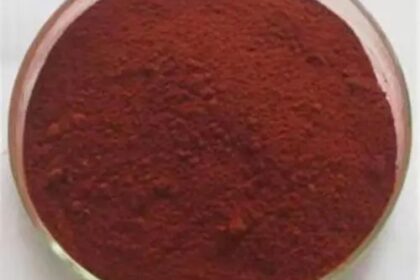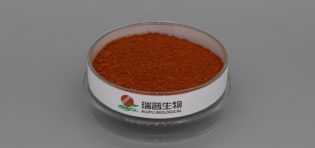
Despite its advantages, formulators frequently encounter a significant hurdle when integrating this specific iron source into complex matrices, particularly when working with liquid beverage ingredients or moisture-rich gummy supplements. The primary issue is oxidative instability driven by the Fenton reaction. When free iron ions are introduced into an aqueous environment, they can act as potent catalysts for oxidation reactions, especially in the presence of dissolved oxygen and light. This often leads to undesirable sensory changes, such as the darkening of the product's color, the degradation of sensitive supplement raw materials like certain vitamins and botanical extracts, and the development of a distinct metallic off-taste. For a brand aiming to launch a visually appealing, clear, fruit-flavored functional drink, this oxidative browning and flavor degradation can completely ruin the consumer experience and severely limit the product's shelf life. Many standard formulation guides overlook the nuanced chemistry required to prevent these redox reactions, leaving manufacturers frustrated with unstable prototypes that fail during accelerated stability testing.
This brings us to the formulation trick that a vast majority of inexperienced developers overlook: the precise sequencing of pH-buffered micro-encapsulation combined with timed antioxidant integration. The secret is not to simply blend the raw powder into the main mixing vat. Instead, the most effective approach involves pre-treating the ferrous gluconate. First, the iron source is dispersed within a specialized hydrocolloid or lipid-based coating matrix under strictly controlled, slightly acidic conditions to create a protective micro-environment. The crucial step—the actual trick—is the delayed introduction of the synergistic antioxidant, such as a specific ratio of sodium ascorbate or natural rosemary extract. Rather than adding the antioxidant at the beginning of the hydration phase, it is introduced only after the encapsulated iron has been fully dispersed and the base matrix has reached its target temperature and viscosity. By delaying this interaction, you prevent the premature electron transfer that typically triggers the metallic taste and color shifting. For example, when developing a transparent, peach-flavored vitamin water, applying this specific sequencing ensures the iron remains chemically shielded until it reaches the consumer's digestive tract, completely preserving the delicate peach aroma and the crystal-clear appearance of the liquid throughout its entire shelf life.
Implementing this advanced technique provides immense application solutions for B2B clients looking to elevate their product portfolios and streamline their manufacturing processes. By mastering this specific handling method, manufacturers can confidently expand their use of iron fortification into categories that were previously considered too sensitive, such as clear sports drinks, light-colored dairy alternatives, and premium gummy vitamins. It significantly extends the commercial shelf life of the product by preventing the catalytic degradation of other active compounds within the formula, which in turn reduces waste and improves overall quality control metrics. Furthermore, it eliminates the need for heavy artificial masking flavors or completely opaque packaging, allowing brands to maintain clean labels and visually attractive products. This level of formulation sophistication directly translates to a competitive advantage in the market, enabling contract manufacturers and brand owners to deliver superior sensory experiences without compromising on nutritional density or manufacturing efficiency.
| Formulation Type | Primary Challenge | Root Cause | Recommended Solution |
|---|---|---|---|
| Clear Functional Beverages | Oxidative Browning | Fenton Reaction with Dissolved Oxygen | Hydrocolloid Micro-encapsulation |
| Moisture-Rich Gummies | Dark Spot Formation | High Water Activity and Free Ions | Lipid-Based Protective Coating |
| Fruit-Flavored Liquid Shots | Metallic Off-Taste | Premature Electron Transfer | Delayed Synergistic Antioxidant Addition |
| Plant-Based Dairy Alternatives | Vitamin Degradation | Catalytic Oxidation by Light and Iron | pH-Buffered Matrix Dispersion |
In the highly competitive landscape of nutritional manufacturing, the difference between an average product and a premium market leader often lies in the meticulous handling of raw materials. Understanding the hidden chemical behaviors of ferrous gluconate and applying this targeted encapsulation and sequencing trick allows formulators to overcome traditional stability barriers. By focusing on these advanced processing techniques, B2B manufacturers can consistently deliver high-quality, stable, and great-tasting fortified products that meet the rigorous demands of today's health-conscious consumers and brand partners alike, ensuring long-term success in a dynamic industry.
Frequently Asked Questions
Why does ferrous gluconate cause color changes in my liquid beverages?
This usually happens because of the Fenton reaction when free iron ions meet dissolved oxygen and light in water. The iron acts as a strong catalyst that speeds up oxidation, which leads to browning and degrades other sensitive ingredients in your drink.
To stop this from ruining your product, you need to protect the iron before it gets mixed into the main liquid base. Using a micro-encapsulation technique creates a shield around the mineral, keeping it stable and preventing those unwanted color shifts during shelf life.
What is the secret trick to adding iron to clear functional waters without ruining the taste?
The real trick is all about the exact timing of when you add your antioxidants and how you prepare the iron source. Instead of dumping everything in at once, you first disperse the encapsulated ferrous gluconate into the base matrix under controlled conditions.
You only introduce your synergistic antioxidants after the iron is fully dispersed and the liquid reaches the right temperature. This delayed addition stops premature electron transfer, which completely eliminates that harsh metallic aftertaste and keeps your fruit flavors tasting fresh.
Can I use this iron source in moisture-rich gummy supplements without stability issues?
Yes, you can definitely use it in gummies, but the high moisture content makes the Fenton reaction a major risk if the iron is left unprotected. The water activity in gummies is high enough to trigger oxidation, which can break down your added vitamins and cause dark spots.
Applying a specialized lipid-based coating to the ferrous gluconate before blending it into the gummy slurry solves this problem entirely. This protective barrier ensures the iron stays completely inert during the cooking and setting phases, giving you a perfectly uniform and stable final product.