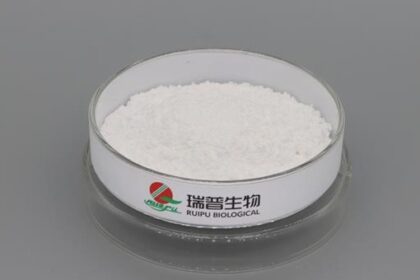
The most common hurdle formulators face when using Ferrous Lactate is the notorious metallic off-taste and the potential for unwanted color changes or precipitation in liquid systems. Imagine you are developing a new line of fortified clear beverages or a delicious fruit-flavored liquid supplement. You add the iron, and suddenly your bright, appealing drink turns murky, or worse, it leaves a lingering metallic taste that consumers simply will not tolerate. This issue often forces research and development teams to either reduce the iron dosage, compromising the nutritional profile, or load the formula with heavy artificial flavors and sweeteners to mask the taste, which goes against the clean-label trend. These formulation roadblocks can significantly delay product launches and increase development costs, leaving many brands frustrated with their final product quality.
Here is the formulation trick that a surprising number of developers overlook: pairing Ferrous Lactate with specific natural masking agents and carefully controlling the pH environment to prevent oxidation. Instead of just dumping the iron into the mixing tank, the secret lies in pre-blending the iron with specialized functional ingredients like certain yeast extracts, natural citrus extracts, or specific amino acids that naturally bind to the metallic flavor receptors on the tongue. Furthermore, maintaining the pH of your liquid matrix slightly on the acidic side, typically between 3.5 and 4.5, and adding a natural antioxidant like ascorbic acid not only keeps the iron in its highly absorbable state but also drastically reduces the metallic taste. This approach not only preserves the natural flavor profile of your base ingredients but also ensures that the nutritional integrity of the final product remains intact.
Applying this technique opens up a world of possibilities for both beverage ingredients and health supplement raw materials. For instance, a sports nutrition brand recently used this exact pH-control and natural masking strategy to successfully launch a clear, iron-fortified recovery water that tasted remarkably crisp and refreshing, completely free of any metallic aftertaste. In the realm of gummies and chewable tablets, combining this trick with microencapsulation technology ensures that the iron remains stable and tasteless until it reaches the digestive tract. These advanced application solutions allow brands to confidently market high-dose iron products that actually taste great, thereby improving consumer compliance and repeat purchases. This means consumers are much more likely to stick to their daily supplementation routines, which is a massive win for brand loyalty and long-term commercial success.
| Formulation Challenge | Affected Product | Root Cause | Formulation Trick | Expected Outcome |
|---|---|---|---|---|
| Metallic Off-Taste | Liquid Supplements | Iron binding to taste receptors | Pre-blend with natural masking agents | Clean flavor profile |
| Murky Appearance | Clear Beverages | Iron oxidation at improper pH levels | Maintain matrix pH between 3.5 and 4.5 | Crystal clear liquid |
| Precipitation | Fruit-Flavored Drinks | Formation of insoluble iron compounds | Add ascorbic acid as an antioxidant | Stable suspension |
| Reduced Dosage | Gummies and Chews | Fear of bad taste and texture issues | Use microencapsulation technology | High iron retention |
In the highly competitive landscape of nutritional manufacturing, the difference between a good product and a great one often lies in the subtle details of formulation science. While Ferrous Lactate is undoubtedly a superior choice for iron fortification, unlocking its full potential requires moving beyond basic mixing and embracing smart, science-backed formulation tricks. By understanding the intricate interactions between minerals, pH levels, and natural masking agents, product developers can create superior, great-tasting fortified foods and drinks. As the industry continues to evolve, staying ahead of these nuanced application techniques will be essential for brands looking to deliver effective, enjoyable, and high-quality nutritional products to their consumers.
Frequently Asked Questions (FAQ)
Why does my beverage turn murky when I add Ferrous Lactate?
This usually happens because the iron interacts with other ingredients or the pH level of your liquid matrix is not properly controlled. When the environment is too alkaline or neutral, the iron can easily oxidize and form insoluble compounds that cause precipitation.
To prevent this cloudy appearance, you need to maintain the pH of your beverage slightly on the acidic side, ideally between 3.5 and 4.
Adding a natural antioxidant like ascorbic acid can also help keep the iron in its soluble state and maintain the bright clarity of your drink.
How can I get rid of the metallic aftertaste in my liquid supplements?
The metallic taste is a common issue, but you can easily mask it by pairing your iron source with specific natural masking agents. Ingredients like certain yeast extracts, natural citrus flavors, or specific amino acids work wonderfully to bind to the metallic flavor receptors on the tongue.
Instead of just loading your formula with heavy artificial sweeteners, try pre-blending the iron with these natural extracts before adding it to the main mixing tank. This simple step significantly reduces the harsh aftertaste and keeps your product aligned with clean-label consumer demands.
Is Ferrous Lactate suitable for clear fortified beverages?
Yes, it is actually one of the best choices for clear drinks because of its high bioavailability and relatively mild flavor profile compared to other iron salts. However, it requires careful formulation techniques to ensure it remains completely dissolved and invisible in the final product.
You must pay close attention to your water quality and avoid using hard water that contains high levels of calcium or magnesium, as these can compete with iron and cause cloudiness. By using purified water and applying the pH control trick, you can create a perfectly clear and stable fortified beverage.