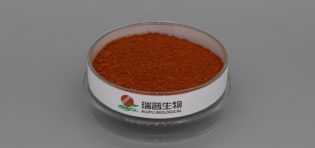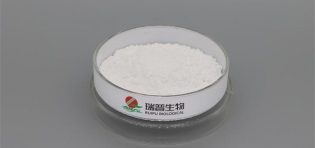
The functional food and beverage sector is experiencing a significant shift toward immune-supporting and wellness-focused products, driving a surge in demand for high-quality nutrient raw materials. Among these, Zinc Gluconate stands out as a highly sought-after compound due to its favorable absorption profile and general tolerability. Beverage and supplement manufacturers frequently select it to fortify their product lines, aiming to meet growing consumer expectations for daily nutritional support. However, as the market becomes more saturated, the baseline expectation for product quality has risen, pushing research and development teams to refine their formulations beyond mere nutritional compliance and seek out superior processing methods.
Despite its nutritional advantages, incorporating Zinc Gluconate into liquid matrices presents notorious challenges that plague many product developers. When utilized as beverage ingredients, zinc compounds often introduce a harsh, metallic aftertaste that severely compromises the sensory experience, leading to poor consumer repeat purchases. Furthermore, in clear or acidic liquid formulations, zinc ions can interact with other components, causing unwanted precipitation, cloudiness, or sedimentation over the product's shelf life. Many standard application solutions simply attempt to mask the taste with excessive sweeteners or artificial flavors, which contradicts the modern consumer demand for clean labels. Consequently, formulators are left struggling to balance nutritional integrity, visual stability, and palatability without resorting to heavy processing or compromising the ingredient list.
The closely guarded trick that separates top-tier formulations from the rest lies in a precise technique known as the Delayed Acid-Chelation Mixing Protocol. Instead of adding Zinc Gluconate directly into the primary aqueous base alongside other minerals, formulators should first pre-hydrate the zinc in an isolated, slightly warm water bath at exactly forty degrees Celsius. Once fully dissolved, a specific ratio of malic acid is introduced to the zinc solution before it meets the main batch. This localized, controlled chelation process effectively binds the free zinc ions, neutralizing the metallic taste receptors on the human tongue while simultaneously stabilizing the ion to prevent it from reacting with proteins or polyphenols in the main beverage matrix. For example, a leading sports drink manufacturer recently implemented this exact timing and temperature control, successfully eliminating the chalky mouthfeel and preventing the hazy sediment that previously formed after three months on the shelf. The key precaution here is to avoid introducing the zinc solution until the primary batch has cooled below room temperature, as high heat can break the delicate chelate bonds and reintroduce the metallic flavor. Additionally, when formulating high-concentration liquid shots, incorporating a natural citrus extract at this specific chelation stage can further synergize with the malic acid, creating a seamless flavor bridge that completely hides any residual mineral notes.
| Application Area | Primary Benefit | Formulation Challenge | Consumer Expectation |
|---|---|---|---|
| Clear Beverages | High Bioavailability | Metallic Aftertaste | Clean Label |
| Liquid Shots | Fast Absorption | Sedimentation | Immune Support |
| Gummy Supplements | Gentle on Stomach | Moisture Sensitivity | Daily Wellness |
| Sports Drinks | Electrolyte Balance | Flavor Masking | Performance Recovery |
| Powdered Mixes | High Stability | Clumping Issues | Convenience |
Mastering this formulation technique offers immense strategic value for companies sourcing health supplement raw materials and developing new functional ingredients. By resolving the sensory and stability issues at the molecular level, brands can confidently launch clear, great-tasting zinc-fortified waters, energy shots, and liquid dietary supplements without relying on heavy artificial masking agents. This clean-label approach not only reduces the overall ingredient cost by eliminating the need for excessive flavor modifiers but also accelerates the time-to-market by minimizing the endless cycles of sensory panel testing and stability trials. For contract manufacturers and private label developers, offering this advanced technical capability serves as a massive competitive differentiator when pitching to major retail brands. Furthermore, delivering a superior tasting product directly translates to higher consumer retention and stronger brand loyalty in a highly competitive retail environment, proving that technical expertise directly drives commercial success.
In the rapidly evolving landscape of nutritional manufacturing, simply adding the right vitamins and minerals is no longer sufficient to capture market share. Understanding the nuanced chemistry of nutrient raw materials and applying advanced, precise mixing protocols can transform a problematic ingredient into a star product feature. By adopting the Delayed Acid-Chelation Mixing Protocol for Zinc Gluconate, beverage and supplement manufacturers can overcome historical formulation barriers, delivering stable, palatable, and highly effective products that resonate with today's discerning consumers. Ultimately, success in this industry belongs to those who look beyond basic ingredient lists and master the intricate science of application.

Frequently Asked Questions (FAQ)
Why is Zinc Gluconate so popular in the functional beverage industry right now?
Zinc Gluconate has become incredibly popular because it offers a great absorption profile and is generally well-tolerated by most consumers. As the functional food and beverage sector shifts toward immune-supporting products, manufacturers are actively seeking high-quality nutrient raw materials to meet growing daily wellness expectations.
This specific compound allows beverage and supplement makers to easily fortify their product lines without causing severe digestive discomfort. It perfectly aligns with the modern consumer demand for clean, effective, and easily absorbable nutritional support in their daily routines.
What makes Zinc Gluconate different from other zinc sources for supplement manufacturers?
The main difference lies in its bioavailability and the way it interacts with liquid matrices compared to other inorganic zinc salts. Manufacturers prefer it because it tends to be much gentler on the stomach while still delivering the essential mineral effectively to the body.
When formulating clear beverages or liquid shots, this specific gluconate form helps maintain better stability and taste profiles. It reduces the harsh metallic aftertaste that often plagues other zinc variants, making it a superior choice for creating palatable wellness drinks.
How does the demand for immune-supporting products affect the sourcing of nutrient raw materials?
The surging demand for immune health products has forced manufacturers to be much more selective and rigorous when sourcing their nutrient raw materials. Companies are no longer just looking for the cheapest options but are prioritizing high-quality compounds that guarantee both efficacy and consumer satisfaction.
This shift means that suppliers must provide detailed documentation, superior purity standards, and reliable supply chains for ingredients like Zinc Gluconate. Beverage and supplement brands rely heavily on these premium raw materials to build trust and ensure their fortified products actually deliver on their wellness promises.