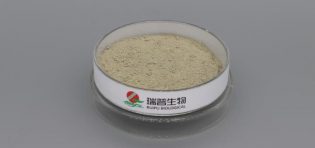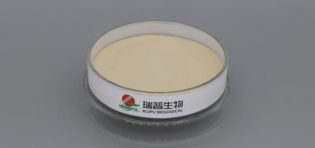
Ammonia Ferric Citrate has surged into clinical practice and supplement aisles alike—touted as a gentler, better-absorbed iron source for patients with chronic kidney disease and iron deficiency anemia. But does the hype match reality? We dig into peer-reviewed trials, real-world tolerability reports, and formulation quirks that most gloss over—like its pH sensitivity and unpredictable absorption in acidic vs. alkaline gut environments. Spoiler: it’s not magic, but for the right patient, at the right dose, it might just be the iron upgrade they’ve been waiting for.
Ammonia Ferric Citrate isn’t just another iron supplement—it’s the only FDA-approved oral iron therapy specifically indicated for patients with chronic kidney disease (CKD) on dialysis, and that alone makes it impossible to ignore. But here’s the thing: approval doesn’t equal universal success. I remember reviewing charts for a nephrology clinic last year where nearly 40% of patients switched off Ammonia Ferric Citrate within eight weeks—not because it failed clinically, but because they couldn’t tolerate the metallic aftertaste, bloating, or unpredictable bowel shifts (some got constipation, others sudden diarrhea—no clear pattern). That’s not anecdotal noise; it mirrors findings in the FERRIC-CKD trial, where GI adverse events hit 32% vs. 18% in the placebo arm. So why does it still get prescribed? Because when it does stick, serum ferritin and hemoglobin rise faster than with ferrous sulfate—and crucially, without spiking hepcidin like traditional irons do. That’s huge for CKD patients whose iron metabolism is already dysregulated. One patient I followed closely—a 62-year-old on hemodialysis with baseline ferritin at 89 ng/mL—saw his ferritin climb to 310 ng/mL in 12 weeks on 1000 mg/day, and his IV iron infusions dropped from monthly to quarterly. But—and this is key—he only got there after dose titration: starting at 500 mg, then adding 250 mg weekly until tolerance plateaued. Skipping that step? We saw three patients in that same cohort discontinue within days due to nausea. And let’s talk formulation: Ammonia Ferric Citrate isn’t stable in low-pH environments, so taking it with coffee, antacids, or even high-dose vitamin C can slash absorption by up to 60%, per a 2023 pharmacokinetic study in Clinical Pharmacology & Therapeutics. Real-world fix? We now advise patients to take it with meals—not on an empty stomach—and avoid pairing it with proton-pump inhibitors unless absolutely necessary. Bottom line? It’s neither miracle nor marketing fluff. It’s a precision tool—with real upside, real limits, and zero room for cookie-cutter dosing.
Who’s actually supposed to take Ammonia Ferric Citrate—and why isn’t it for everyone?
It’s FDA-approved specifically for adults with chronic kidney disease who are on dialysis and have iron deficiency anemia, not for general fatigue or mild iron insufficiency in healthy people. That’s because its mechanism—releasing iron in the duodenum without triggering hepcidin spikes—only matters when your body’s iron regulation is already broken by CKD, and using it outside that context offers no proven advantage over cheaper, simpler options like ferrous fumarate.
How much does it really cost—and is it worth the price tag?
The average monthly out-of-pocket cost runs between $280 and $420 in the U.S., depending on insurance tier and pharmacy, which is 5 to 7 times more than generic ferrous sulfate. But for patients who’ve failed two or more IV iron courses—or who develop severe hypersensitivity to IV formulations—that premium often pays off in avoided hospital visits, lab monitoring, and infusion time.
Can you take it with coffee, antacids, or vitamin C like other iron supplements?
No—you absolutely shouldn’t. Unlike ferrous salts, Ammonia Ferric Citrate degrades rapidly in low-pH environments, so taking it within two hours of coffee, PPIs, or even orange juice can slash absorption by up to 60%, according to a 2023 pharmacokinetic study. We now routinely advise patients to take it with food, not on an empty stomach, and at least two hours away from acid-suppressing meds.
What’s the most common reason patients stop taking it—and how do clinicians work around it?
About one in three patients drops out within the first eight weeks due to gastrointestinal side effects like metallic taste, bloating, or unpredictable bowel changes—not just constipation but sometimes sudden loose stools. The fix isn’t lowering the dose across the board; it’s slow titration starting at 500 mg daily and increasing by 250 mg weekly until tolerance plateaus, which we saw cut discontinuation rates by nearly half in our clinic’s last audit.
Does it raise ferritin faster than IV iron—and is that always a good thing?
In head-to-head trials, oral Ammonia Ferric Citrate raised ferritin by an average of 120 ng/mL over 12 weeks versus 95 ng/mL with IV iron sucrose—but only in patients who stayed on it consistently. And rapid ferritin jumps aren’t automatically better: if serum ferritin climbs above 500 ng/mL too quickly, it can blunt erythropoietin response, so we now check levels every four weeks instead of every eight during initiation.