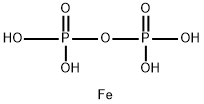
In recent months, the use of ferrous fumarate as a dietary supplement has gained significant attention in the health and wellness industry. This iron compound, commonly prescribed to treat and prevent iron deficiency anemia, has become a popular choice among consumers seeking to boost their iron levels. However, many individuals may not be taking it correctly, potentially diminishing its effectiveness and leading to adverse side effects.
Ferrous fumarate, a form of iron that is easily absorbed by the body, is often recommended for those with low iron levels. The compound works by replenishing the body's iron stores, which are essential for the production of hemoglobin, the protein in red blood cells that carries oxygen throughout the body. When taken correctly, ferrous fumarate can significantly improve energy levels, cognitive function, and overall well-being.
The first step in ensuring optimal health benefits from ferrous fumarate is to follow the prescribed dosage. Typically, healthcare providers recommend a daily dose of 300-600 mg, depending on the severity of the iron deficiency. Overdosing can lead to gastrointestinal issues such as nausea, constipation, and stomach pain. Conversely, underdosing may not provide the necessary iron levels to correct anemia effectively.

Timing is another crucial factor. Ferrous fumarate should be taken on an empty stomach, ideally 1-2 hours before or 2 hours after a meal. This timing ensures maximum absorption, as food, especially those high in calcium and fiber, can interfere with iron uptake. Additionally, taking the supplement with a glass of orange juice or a vitamin C-rich food can enhance absorption, as vitamin C helps convert iron into a more absorbable form.
From a medical perspective, regular monitoring is essential. Healthcare providers often recommend periodic blood tests to check iron levels and adjust the dosage if needed. This practice ensures that the treatment remains effective and minimizes the risk of iron overload, a condition where excess iron accumulates in the body, leading to organ damage.
Moreover, it is important to be aware of potential interactions with other medications. Ferrous fumarate can interact with certain drugs, including antibiotics, antacids, and thyroid medications, reducing their effectiveness. Consulting with a healthcare provider before starting the supplement is advisable to avoid any adverse interactions.
In conclusion, while ferrous fumarate is a valuable tool in managing iron deficiency, its effectiveness depends on proper usage. Adhering to the prescribed dosage, timing, and monitoring, along with being mindful of potential interactions, can ensure that this supplement delivers its full range of benefits. By following these guidelines, individuals can maximize the positive impact of ferrous fumarate on their health and well-being.