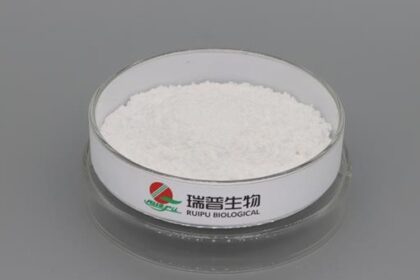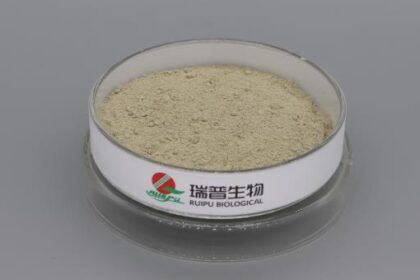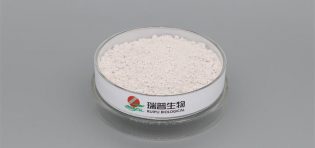
The global dietary supplement and functional food market is experiencing a significant shift as consumers become more proactive about their long-term wellness, particularly concerning skeletal health and daily mineral intake across all age demographics. For manufacturers in the beverage, food, and dietary supplement sectors, sourcing high-quality nutrient raw materials has become a critical step in meeting this evolving consumer demand and staying ahead of industry trends. Brands are no longer just looking to add basic vitamins to their products; they are actively seeking highly bioavailable and easily integrable functional ingredients that can elevate their product profiles and meet clean-label expectations. As the industry moves toward more user-friendly formats and transparent sourcing, the strategic choice of mineral sources plays a pivotal role in product development, supply chain stability, and ultimate market success.
However, formulators frequently encounter substantial technical and sensory challenges when working with traditional, inorganic calcium sources during the manufacturing process. Calcium carbonate, for instance, is widely used due to its initial cost-effectiveness, but it presents notable drawbacks in modern, sophisticated product development. It has inherently low solubility in aqueous environments, which often results in a gritty, chalky texture and visible sedimentation in liquid formulations, making it highly unsuitable for clear beverage ingredients. Furthermore, processing these insoluble salts often requires heavy homogenization and suspension agents, which can complicate the manufacturing process and alter the clean-label appeal of the final product. Traditional calcium salts can also cause gastrointestinal discomfort or bloating for a segment of the consumer base, which negatively impacts user compliance and overall brand reputation. When developing liquid supplements, gummies, or fortified functional waters, these physical and physiological limitations severely restrict the innovation potential for research and development teams trying to create premium supplement raw materials.
To overcome these complex formulation hurdles, Calcium Gluconate emerges as a highly effective, versatile, and scientifically sound alternative for modern product development. Produced through the careful neutralization of gluconic acid, this specific organic calcium salt offers exceptional water solubility compared to its inorganic counterparts, dissolving readily at room temperature. This high solubility ensures that it integrates seamlessly into liquid matrices without leaving a gritty residue or requiring excessive stabilizers, which is a massive advantage for fluid dynamics in production lines. Additionally, it possesses a remarkably neutral taste profile, meaning it does not impart the metallic, chalky, or bitter off-notes often associated with other mineral salts. By integrating Calcium Gluconate into their formulations, manufacturers can completely bypass the texture and flavor-masking issues that typically plague mineral-fortified products. This allows food scientists to focus on enhancing the overall sensory experience and flavor architecture of the final product rather than struggling to hide the unpleasant characteristics of the active mineral.
| Ingredient | Water Solubility | Sensory Profile | Best Formulations | Gastrointestinal Impact |
|---|---|---|---|---|
| Calcium Gluconate | Excellent | Neutral, smooth | Clear beverages, gummies, liquids | Very gentle |
| Calcium Carbonate | Low | Chalky, gritty | Tablets, capsules, opaque powders | May cause discomfort |
| Calcium Citrate | Moderate | Slightly tart | Chewables, suspensions | Generally mild |
The practical application solutions for Calcium Gluconate span across multiple high-growth categories in the health and wellness sector, providing tangible benefits for diverse manufacturing lines. In the beverage industry, it is an ideal choice for formulating clear, fortified waters, sports drinks, and plant-based milk alternatives where visual clarity and smooth mouthfeel are non-negotiable consumer expectations. For example, a brand developing a transparent, lemon-flavored hydration drink can utilize this ingredient to deliver a meaningful dose of calcium without compromising the drink's crystal-clear appearance or refreshing taste, thereby creating a highly marketable premium beverage. In the realm of dietary supplements, it serves as a premium base for liquid calcium shots, chewable gummies, and fast-dissolving effervescent tablets. Consider a gummy manufacturer aiming to create a high-dose calcium product; using this highly soluble ingredient prevents the gummy from becoming overly hard or grainy over its shelf life. Because it is generally recognized as gentler on the digestive system, it is particularly well-suited for products targeted at sensitive demographics, such as older adults or individuals with specific dietary restrictions. Manufacturers can leverage these tailored application solutions to differentiate their products on crowded retail shelves, offering consumers a superior, easily absorbable, and highly palatable nutritional experience.
In summary, as the bone-health and functional nutrition markets continue to mature and consumer expectations rise, the demand for sophisticated, high-performance ingredients will only intensify across the global supply chain. Calcium Gluconate stands out as a strategic, forward-looking choice for brands aiming to upgrade their product portfolios with reliable, high-quality nutrient raw materials. By directly addressing the historical limitations of traditional calcium sources, it empowers formulators to create innovative, consumer-friendly beverages and supplements that perfectly align with modern lifestyle needs and clean-label trends. Manufacturers who proactively adopt such advanced functional ingredients and invest in superior application solutions will be exceptionally well-positioned to capture market share, build lasting consumer trust, and drive sustainable, long-term growth in the highly competitive global health and wellness landscape.
Frequently Asked Questions
Why are bone-health brands shifting towards Calcium Gluconate instead of traditional calcium sources?
Traditional sources like calcium carbonate often cause gritty textures and require heavy stabilizers in liquid formulations. Calcium Gluconate offers exceptional water solubility and a neutral taste, making it much easier to integrate into modern beverages and gummies without compromising the sensory experience.
This shift also aligns with consumer preferences for clean-label products that are gentle on the digestive system. Brands can formulate premium supplements that avoid the chalky aftertaste and gastrointestinal discomfort sometimes associated with older inorganic mineral salts.
How does Calcium Gluconate improve the formulation process for clear functional beverages?
Formulating clear drinks with standard calcium salts usually results in visible sedimentation and a cloudy appearance that consumers find unappealing. Because Calcium Gluconate dissolves readily at room temperature, it maintains the crystal-clear visual profile of hydration drinks and fortified waters.
Manufacturers no longer need to rely on excessive suspension agents or intense homogenization processes to keep the minerals mixed. This streamlined production approach helps food scientists focus on enhancing the overall flavor architecture while delivering a meaningful dose of essential nutrients.
What types of dietary supplement formats benefit the most from using this specific calcium ingredient?
Liquid calcium shots, chewable gummies, and fast-dissolving effervescent tablets see the most significant improvements when using this highly soluble ingredient. For instance, gummy manufacturers can prevent their products from becoming overly hard or grainy over their typical 12 to 18-month shelf life.
It is also highly effective for targeted demographics like older adults who may have sensitive digestive systems or difficulty swallowing large pills. The smooth mouthfeel and easy absorption profile make it an ideal choice for creating user-friendly nutritional products that encourage daily compliance.