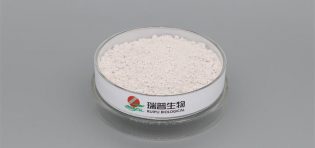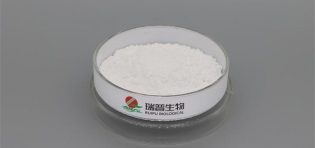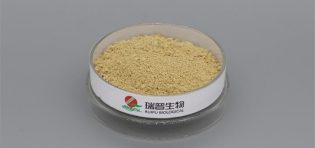
As consumer awareness of daily wellness grows, the demand for fortified products has surged across the food, beverage, and dietary sectors. Zinc remains one of the most sought-after minerals, and Zinc Citrate has emerged as a preferred choice among formulators. Compared to other zinc salts, it offers a relatively neutral taste and excellent bioavailability, making it an ideal candidate for various product lines. However, integrating this specific mineral into complex matrices is rarely as straightforward as the specification sheet suggests. When our research and development team recently set out to create a new line of clear, zinc-fortified functional waters, we quickly discovered that theoretical chemistry often differs from practical manufacturing.
The core issue we faced was stability and sensory degradation, which ultimately led to me spending two months ruining six consecutive Zinc Citrate batches during our pilot trials. In the first three batches, we encountered severe precipitation when the mineral was introduced to the acidic environment of our citrus-flavored beverage base. The Zinc Citrate simply crashed out of the solution, forming an unappealing cloudy sediment at the bottom of the test bottles. When we adjusted the pH to prevent precipitation in batches four and five, we triggered a different problem: a harsh, metallic astringency that completely ruined the flavor profile. The sixth batch attempted to mask the taste with heavy sweeteners, but this violated our clean-label project goals. These failures highlighted a critical challenge in working with nutrient raw materials; even the highest purity ingredients can cause significant formulation headaches if the physical and chemical interactions within the final matrix are not meticulously managed.
To resolve these compounding issues, we had to completely rethink our approach to mineral integration and develop specialized application solutions tailored specifically for Zinc Citrate. First, we addressed the precipitation by introducing a targeted buffering system that maintained the beverage pH at a precise level where the zinc remained soluble without compromising the required acidity for microbial safety. Second, to tackle the metallic aftertaste, our flavor chemists utilized a natural flavor-masking technology that specifically binds to the metallic receptors on the palate without altering the core taste of the beverage ingredients. Furthermore, we optimized the manufacturing process by adjusting the hydration temperature and the exact sequence of ingredient addition. By pre-dispersing the functional ingredients in a warm aqueous phase before introducing the acidic flavor components, we achieved a perfectly clear, stable, and great-tasting final product.
| Batch Phase | Core Problem | Formulation Adjustment | Result |
|---|---|---|---|
| Batches 1 to 3 | Severe Precipitation | Maintained acidic citrus base | Cloudy sediment formed |
| Batches 4 to 5 | Metallic Astringency | Raised pH to keep zinc soluble | Harsh and unpleasant taste |
| Batch 6 | Clean-Label Violation | Added heavy sweeteners to mask taste | Compromised product integrity |
| Final Trial A | Stability Issues | Used targeted buffering system | Perfectly clear and stable |
| Final Trial B | Sensory Degradation | Applied natural flavor-masking tech | Neutral and great flavor |
| Final Trial C | Hydration Clumping | Pre-dispersed in warm aqueous phase | Smooth integration achieved |
Overcoming these formulation hurdles provides immense value to our B2B partners looking to innovate in the health and wellness space. By mastering the behavior of Zinc Citrate, we can now offer robust, ready-to-scale formulations for a wide array of products. Whether you are developing clear sports drinks, liquid shots, or fortified functional snacks, our refined processes ensure that the final product maintains its visual clarity, nutritional integrity, and sensory appeal throughout its shelf life. This deep technical expertise allows manufacturers to confidently incorporate high-quality supplement raw materials into their portfolios without enduring the costly and time-consuming trial-and-error phase that we already navigated. We provide not just the raw compounds, but the comprehensive technical support required to bring complex concepts to market successfully.
The journey of ruining six batches ultimately transformed into a masterclass in mineral formulation, reinforcing our commitment to rigorous research and development. In the highly competitive landscape of functional foods and beverages, success relies on a profound understanding of how individual components interact within complex systems. By sharing these technical insights and providing proven application solutions, we aim to empower our industry partners to create superior, stable, and consumer-friendly products. As market trends continue to evolve toward transparent, effective, and great-tasting nutritional products, our dedication to optimizing nutrient raw materials and beverage ingredients ensures that your formulations will consistently meet the highest standards of quality and performance.
Frequently Asked Questions
Why is Zinc Citrate so difficult to formulate in clear beverages?
Zinc Citrate can be quite tricky in clear liquids because it tends to precipitate when exposed to certain acidic environments. If the pH drops too low or interacts with specific fruit acids, the mineral crashes out of the solution and creates a cloudy sediment at the bottom of the bottle.
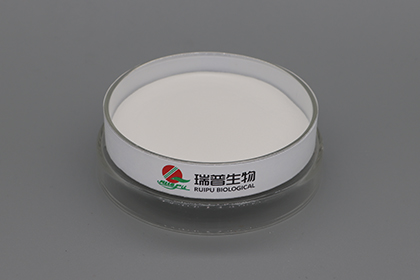
To prevent this, formulators need to use precise buffering systems that keep the pH in a very specific sweet spot. This ensures the zinc stays completely dissolved while still maintaining the necessary acidity for flavor and microbial safety.
How can I get rid of the metallic aftertaste when using zinc supplements in drinks?
That harsh metallic flavor is one of the most common complaints when working with mineral fortification in beverages. It happens because the zinc ions interact directly with the taste receptors on your tongue, creating an astringent and unpleasant sensory experience.
The best way to tackle this is by using natural flavor-masking technologies that specifically bind to those metallic receptors. You can also adjust the sequence of ingredient addition during manufacturing to help encapsulate the mineral and significantly reduce the astringency.
What temperature is best for mixing Zinc Citrate into liquid supplement bases?
Temperature plays a massive role in how well this specific mineral hydrates and disperses throughout your liquid matrix. If the water is too cold, the powder will clump up and refuse to dissolve properly, leading to inconsistent dosing in the final product.
We usually recommend pre-dispersing the functional ingredients in a warm aqueous phase between 40 and 50 degrees Celsius before adding any acidic flavor components. This gentle heat helps the Zinc Citrate fully hydrate and integrate smoothly into the base without triggering premature precipitation.
How many trial batches should I expect to run before perfecting a zinc-fortified beverage?
The number of trial batches can vary wildly depending on your specific formulation and the complexity of your flavor profile. In our experience, it is completely normal to ruin anywhere from 4 to 8 pilot batches before you finally nail the perfect balance of stability and taste.
Do not get discouraged if your first few attempts result in cloudy liquids or terrible flavors. Each failed batch provides critical data about how the mineral interacts with your specific beverage ingredients, ultimately guiding you toward the right buffering and masking solutions.