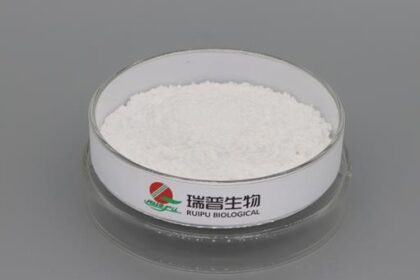
The global market for fortified foods and dietary supplements continues to expand rapidly, driven by a rising consumer focus on proactive health management and long-term bone wellness. As manufacturers develop innovative product lines, selecting the appropriate nutrient raw materials becomes a critical step in the research and development process. Calcium remains one of the most sought-after functional ingredients across the industry, but formulators are frequently presented with a wide variety of chemical forms. Among these, calcium gluconate and calcium citrate are two of the most prominent and widely used options. Understanding the distinct physicochemical characteristics of each is absolutely essential for creating successful, market-ready products that meet both stringent manufacturing standards and high consumer expectations.
However, product developers often encounter significant formulation hurdles when integrating calcium into complex food and beverage matrices. The primary challenge lies in carefully balancing solubility, sensory profile, and elemental calcium concentration. For instance, when formulating clear beverage ingredients, poor solubility can easily lead to unsightly precipitation, a chalky mouthfeel, and bitter off-flavors that quickly deter consumers from making repeat purchases. On the other hand, when designing solid supplement raw materials like compressed tablets or hard capsules, the physical bulk and density of the calcium source can make the final pill uncomfortably large to swallow. Furthermore, the stability of the mineral across different pH levels, shear forces during mixing, and high processing temperatures requires meticulous consideration. Choosing the wrong variant can severely compromise the entire application solution, leading to costly reformulations, stability failures, and delayed product launches.
To navigate these complex challenges, formulators must deeply evaluate the specific properties of both calcium gluconate and calcium citrate. Calcium gluconate is highly regarded in the industry for its excellent solubility in water and its remarkably neutral taste profile. Because it does not impart a harsh or chalky aftertaste, it is exceptionally well-suited for liquid applications and clear drinks. Conversely, calcium citrate offers a significantly higher percentage of elemental calcium by weight compared to gluconate. While it is inherently less soluble in cold water, it provides a different set of advantages, particularly in dry blends and solid dosages. By strategically matching the intrinsic properties of the raw material to the physical state and processing requirements of the final product, manufacturers can optimize both the production efficiency and the end-user experience.
| Property | Calcium Gluconate | Calcium Citrate | Ideal Application |
|---|---|---|---|
| Elemental Calcium | Approximately 9% | Approximately 21% | Dosage sizing decisions |
| Water Solubility | Highly soluble | Low to moderate | Liquid vs solid matrices |
| Taste Profile | Neutral and clean | Slightly tart or chalky | Flavor masking requirements |
| Best Formulation | Clear beverages | Tablets and capsules | Final product physical state |
| Bioavailability | Good absorption | Excellent absorption | Target demographic needs |
| Processing Traits | Prevents sedimentation | Good compressibility | Manufacturing efficiency |
Let us explore practical scenarios to better illustrate the application value of these two distinct ingredients. Imagine a beverage company developing a line of fortified, clear botanical waters or plant-based milks. In this scenario, utilizing calcium gluconate as the primary beverage ingredient ensures the liquid remains visually transparent and crisp, without altering the delicate flavor notes of the botanical extracts. The high solubility prevents sedimentation at the bottom of the bottle, ensuring a consistent nutritional profile in every single sip. Alternatively, consider a nutraceutical brand formulating a premium bone-support chewable tablet or gummy for older adults. Here, calcium citrate serves as the ideal supplement raw material. Its higher elemental calcium yield allows the manufacturer to achieve the desired nutritional payload without making the tablet excessively large or difficult to chew. Furthermore, the manufacturing process for these solid forms often benefits from the excellent compressibility and flow properties that citrate salts typically provide during high-speed tableting. This targeted approach ensures the functional ingredients are effectively integrated into the daily routines of the target demographic.
In conclusion, the ongoing industry discussion comparing calcium gluconate and calcium citrate does not yield a single universal winner, as the optimal choice depends entirely on the specific application, target matrix, and consumer demographic. Calcium gluconate undoubtedly shines in liquid formulations where high solubility and sensory neutrality are paramount, while calcium citrate excels in solid dietary supplements requiring higher elemental density and reliable physical stability. By carefully assessing the unique requirements of your product pipeline, you can select the most appropriate nutrient raw materials to deliver high-quality, effective, and consumer-friendly products. Ultimately, leveraging the right functional ingredients and partnering with experienced suppliers who provide tailored application solutions will empower your brand to navigate the competitive landscape of fortified foods and supplements with confidence, scientific rigor, and long-term market success.

Frequently Asked Questions
What is the main difference between calcium gluconate and calcium citrate in beverage formulations?
Calcium gluconate is highly favored for liquid applications because it dissolves easily in water and maintains a remarkably neutral taste profile.
On the flip side, calcium citrate has lower solubility in cold liquids, which can sometimes lead to precipitation or a slightly chalky texture if not properly managed during the manufacturing process.
Why would a supplement manufacturer choose calcium citrate for solid tablets?
Manufacturers often prefer calcium citrate for solid dosages like tablets and capsules because it provides a significantly higher percentage of elemental calcium by weight.
This higher density allows formulators to deliver the desired nutritional payload without making the final pill uncomfortably large or difficult for consumers to swallow.
How do these two calcium sources affect the sensory profile of fortified foods?
When it comes to taste and mouthfeel, calcium gluconate is generally the superior choice for clear drinks and delicate botanical waters since it does not impart any harsh or bitter off-flavors.
Calcium citrate can sometimes introduce a slight tartness or chalkiness, making it better suited for flavored chewable tablets or opaque plant-based milks where the flavor can be easily masked by other ingredients.