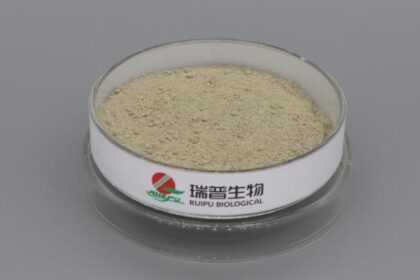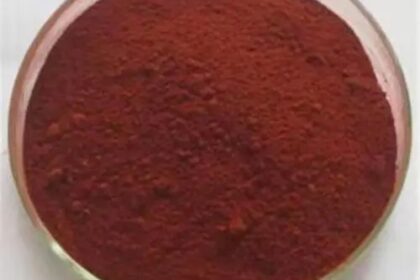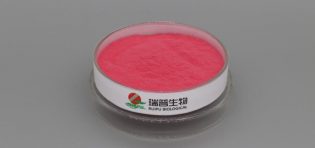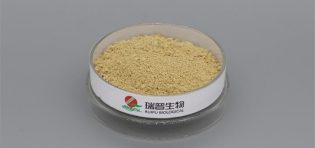
The global market for fortified foods and dietary supplements continues to expand at a steady pace, driving a significant and sustained increase in the demand for high-quality nutrient raw materials. Among these essential components, iron remains one of the most critical functional ingredients for addressing widespread nutritional gaps across diverse demographics. As consumer awareness regarding daily nutritional intake grows, beverage and food manufacturers are actively seeking effective, seamless ways to incorporate iron into their product lines without compromising sensory qualities or shelf life. This ongoing industry shift places a heavy spotlight on the careful selection of appropriate iron salts, making the strategic choice between different chemical forms a pivotal decision for research and development teams aiming to maintain a competitive edge.
When formulating fortified products, product developers frequently encounter severe stability and sensory challenges associated with traditional, inorganic iron sources. Ferrous sulfate has long been considered the industry standard primarily due to its low procurement cost and relatively high elemental iron content, but it presents notable and often costly drawbacks in complex food and beverage matrices. In beverage applications, ferrous sulfate is highly reactive and acts as a strong pro-oxidant, often catalyzing lipid oxidation, degrading sensitive vitamins like ascorbic acid, and causing undesirable color shifts or harsh metallic off-flavors. For instance, in a vitamin-fortified juice drink, the addition of ferrous sulfate can rapidly degrade the added vitamin C, rendering the nutritional claim invalid over the product's shelf life. Furthermore, from an end-consumer perspective, dietary supplements formulated with ferrous sulfate are frequently associated with gastrointestinal discomfort, which can negatively impact user compliance and overall brand loyalty in the highly competitive health supplement raw materials market.
To effectively overcome these complex formulation hurdles, many forward-thinking manufacturers are transitioning toward more stable and gentle organic alternatives, with ferrous gluconate emerging as a highly favorable and reliable option. Unlike the highly reactive sulfate form, ferrous gluconate is an organic iron salt that exhibits excellent chemical stability in aqueous solutions and complex multi-ingredient food matrices. Its significantly lower reactivity means it does not readily promote oxidation or degrade sensitive beverage ingredients, thereby preserving the intended flavor profile, nutritional integrity, and visual appeal of the final product throughout its shelf life. Additionally, ferrous gluconate is widely recognized in nutritional science for its gentle nature on the digestive system, providing a comfortable user experience that aligns perfectly with modern consumer expectations for premium, easily tolerated dietary supplements. This makes it an indispensable component in modern application solutions designed for sensitive target audiences.
| Feature | Ferrous Gluconate | Ferrous Sulfate | Ideal Application |
|---|---|---|---|
| Chemical Type | Organic Salt | Inorganic Salt | Formulation Baseline |
| Elemental Iron Content | Lower (approx. 12%) | Higher (approx. 20-30%) | Cost-driven Products |
| Gastrointestinal Tolerance | Gentle and Highly Tolerated | Harsh and Often Problematic | Sensitive Demographics |
| Oxidation Reactivity | Low and Chemically Stable | High and Highly Reactive | Clear Beverages |
| Sensory Impact | Minimal with Clean Taste | Metallic Taste and Discoloration | Premium Functional Foods |
| Vitamin Degradation Risk | Low Risk for Added Vitamins | High Risk for Ascorbic Acid | Fortified Juices |
The practical application solutions for ferrous gluconate span across multiple product categories, demonstrating its remarkable versatility and reliability for B2B clients in the food and nutrition sectors. In the beverage sector, it is a highly suitable option for fortifying clear functional drinks, enhanced waters, and fruit juices, where maintaining optical clarity and a clean, refreshing taste is highly important. For example, a sports nutrition brand developing a clear, fruit-flavored hydration drink can utilize ferrous gluconate to add essential nutritional value without triggering the cloudy precipitation or metallic taste often caused by inorganic salts. In the realm of health supplement raw materials, it serves as an excellent active ingredient for softgels, chewable tablets, and nutritional gummies, allowing brands to confidently market their products as gentle on the stomach and highly bioavailable. By leveraging this premium functional ingredient, companies can develop comprehensive, market-ready application solutions that cater to specific demographic needs, such as prenatal vitamins or daily wellness gummies, entirely avoiding the formulation headaches and stability failures associated with reactive iron sources.
Ultimately, the strategic decision between ferrous gluconate and ferrous sulfate hinges on the specific quality goals and target market of the product being developed. While ferrous sulfate may still hold a place in basic, highly cost-driven applications where sensory degradation is less of a concern, ferrous gluconate is widely considered the preferred choice for premium beverages, sensitive food matrices, and high-end dietary supplements. By prioritizing high-quality nutrient raw materials, manufacturers can ensure robust product stability, enhance crucial sensory attributes, and deliver a significantly better consumer experience. As the global food and supplement industry continues to evolve toward cleaner labels and higher efficacy, partnering with reliable suppliers for these advanced functional ingredients will remain a key driver of long-term innovation and market success.
Frequently Asked Questions
Why do beverage manufacturers prefer ferrous gluconate over ferrous sulfate?
Beverage makers often run into big headaches when using ferrous sulfate because it reacts strongly with other ingredients in the liquid. This reaction can cause the drink to change color, lose its fresh taste, or even degrade added vitamins like vitamin C over time.

On the flip side, ferrous gluconate is much more stable in water-based formulas and does not trigger those harsh metallic flavors or cloudy appearances. This means companies can create clear, great-tasting functional drinks that keep their nutritional value intact from the factory all the way to the consumer.
Is ferrous gluconate gentler on the stomach compared to ferrous sulfate?
It is widely known in the supplement industry that ferrous gluconate is much easier on the digestive system than its sulfate counterpart. Many people who take traditional iron supplements experience uncomfortable side effects like nausea or cramping, which often makes them stop taking their daily vitamins altogether.
Because ferrous gluconate is an organic iron salt, it breaks down more smoothly in the gut and causes significantly fewer gastrointestinal issues. This gentle profile makes it a fantastic choice for premium dietary supplements, especially for sensitive groups who need consistent iron support without the stomach upset.
Does the lower elemental iron content in ferrous gluconate make it less effective?
It is true that ferrous gluconate contains a lower percentage of elemental iron by weight compared to ferrous sulfate, which usually provides around 20 to 30 percent elemental iron. However, the actual effectiveness of an iron supplement depends much more on how well the body can absorb and utilize the mineral rather than just the raw elemental weight.
Ferrous gluconate boasts excellent bioavailability, meaning your body can easily absorb and put it to work without wasting it. Plus, because it causes fewer stomach issues, people are much more likely to take it consistently every day, which ultimately leads to better long-term health outcomes than taking a harsher pill that gets skipped.
How does the cost difference between these two iron sources affect product formulation?
Ferrous sulfate is definitely the cheaper option upfront, which is why it has been the default choice for basic, mass-market multivitamins for decades. If a brand is strictly competing on price and making simple dry tablets where taste and oxidation are not major concerns, sulfate might still make financial sense for their bottom line.
However, when formulating high-end gummies, clear sports drinks, or premium softgels, the hidden costs of dealing with sulfate instability and poor consumer tolerance quickly add up. Investing in ferrous gluconate allows brands to charge a premium for a superior, better-tasting product that customers actually want to buy again, easily justifying the slightly higher raw material cost.