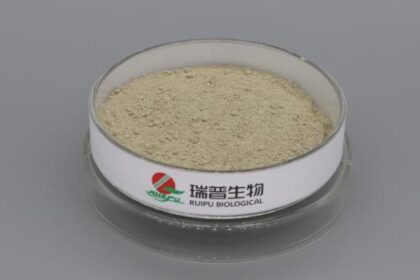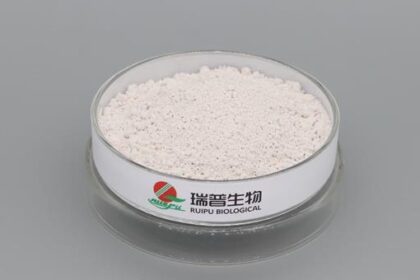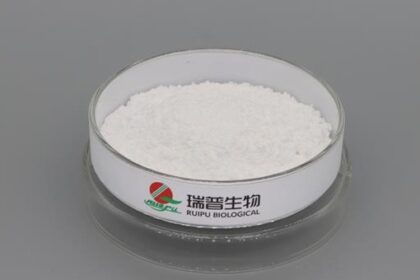
The global market for fortified foods and dietary supplements is expanding rapidly, driving B2B manufacturers to carefully select the right nutrient raw materials for their new formulations. Calcium remains one of the highly sought-after minerals for general wellness and structural support. When formulators begin their product development, they frequently encounter a critical decision: choosing between calcium lactate and calcium carbonate. Both are widely used across the industry, but as consumer preferences shift toward cleaner labels, better sensory experiences, and innovative delivery formats, the debate over which calcium source will dominate future innovations has become a central topic in industry news. Understanding the technical nuances of these compounds is essential for brands looking to maintain a competitive edge in a crowded marketplace.
The primary challenge in mineral fortification lies in balancing nutritional density with product stability, bioavailability, and sensory appeal. For instance, when developing liquid products, beverage ingredients must remain fully dissolved or evenly suspended without causing precipitation, cloudiness, or an unpleasant chalky aftertaste. Calcium carbonate, while boasting a high elemental calcium content and a highly economical cost structure, is notoriously insoluble in water. Furthermore, it requires an acidic environment, such as stomach acid, for optimal breakdown and absorption. This physical limitation often leads to a gritty mouthfeel in liquid suspensions and restricts its use in neutral or clear liquid formats. Formulators are constantly searching for ways to overcome these textural and stability hurdles without compromising the nutritional profile or the manufacturing budget of the final product.
To address these complex formulation challenges, many research and development teams are turning to alternative health supplement raw materials that offer superior physicochemical properties. Calcium lactate emerges as a highly effective solution due to its excellent water solubility and favorable bioavailability, which does not heavily depend on gastric acid for absorption. As one of the highly versatile functional ingredients available today, calcium lactate dissolves easily in aqueous systems, providing a smooth texture and a remarkably neutral flavor profile. While it contains a lower percentage of elemental calcium by weight compared to carbonate, its high absorption rate and formulation flexibility often outweigh the need for higher raw material volumes. This allows manufacturers to create more elegant, consumer-friendly products that do not require heavy masking agents to hide mineral off-notes.
| Feature | Calcium Lactate | Calcium Carbonate | Ideal Application |
|---|---|---|---|
| Water Solubility | High | Low | Clear liquids, sports drinks |
| Elemental Calcium Content | Moderate (approx. 13%) | High (approx. 40%) | Swallowable tablets, capsules |
| Sensory Profile | Smooth, neutral taste | Chalky, gritty texture | Gummies, chewables, plant milks |
| Absorption Dependency | Acid-independent | Requires stomach acid | Fast-acting liquid shots |
The practical benefits of these two sources become highly evident when looking at specific application solutions across different product categories. Consider the scenario of developing a clear, calcium-fortified sports drink or a plant-based milk alternative. If a formulator uses calcium carbonate, the beverage will likely suffer from sedimentation at the bottom of the bottle and a chalky texture that modern consumers actively dislike. By switching to calcium lactate, the mineral integrates seamlessly into the liquid matrix, maintaining optical clarity in sports drinks and providing a creamy, smooth mouthfeel in oat or almond milks. Another practical scenario involves the production of functional gummies or chewable tablets. Calcium lactate prevents the sandy texture that carbonate can sometimes impart, resulting in a much more enjoyable chew. On the other hand, calcium carbonate still holds significant value in dry formats, such as compressed swallowable tablets or hard capsules, where its high elemental yield and cost-efficiency are paramount, and immediate solubility is not a primary concern.
Ultimately, the question of which calcium source wins the future depends heavily on the specific delivery format and the target consumer experience. Calcium carbonate is expected to remain a reliable staple for traditional, dry-dose supplements due to its undeniable economic advantages and high elemental concentration. However, as the industry pivots toward functional beverages, liquid shots, premium gummies, and plant-based alternatives, calcium lactate is distinctly positioned to lead the next wave of product innovation. By thoroughly understanding the unique technical attributes and limitations of these nutrient raw materials, B2B manufacturers can make informed, strategic decisions that align with evolving market trends, ultimately delivering superior and highly marketable nutritional products to the modern consumer.
Frequently Asked Questions (FAQ)
What is the main difference between calcium lactate and calcium carbonate in liquid beverages?
The biggest difference really comes down to how they behave when you mix them into water or other liquids. Calcium carbonate is pretty stubborn and does not dissolve well, which often leaves a chalky, gritty texture at the bottom of the bottle that modern consumers tend to actively dislike.
On the flip side, calcium lactate dissolves beautifully in aqueous systems, giving your beverage a remarkably smooth mouthfeel and keeping the liquid clear or evenly suspended. This makes it a much better choice if you are trying to formulate a clear sports drink or a premium plant-based milk alternative.
Does calcium carbonate still have a place in modern supplement manufacturing?
Absolutely, because it still holds a massive advantage when it comes to elemental calcium concentration and overall cost-effectiveness for dry formats. If you are producing standard swallowable tablets or hard capsules where immediate water solubility is not a primary concern, calcium carbonate remains an incredibly reliable and economical workhorse for your production line.
You just have to remember that it requires an acidic environment like stomach acid for optimal breakdown, which is perfectly fine for traditional pill formats. It is all about matching the right raw material to the specific delivery system you are trying to build for your target audience.
Why are formulators shifting toward calcium lactate for gummies and chewables?
When people bite into a gummy or a chewable tablet, they expect a pleasant, smooth texture rather than a mouthful of sand. Calcium carbonate can sometimes impart that unwanted gritty sensation because of its poor solubility and larger particle sizes, which can really ruin the sensory experience of a premium functional treat.
Calcium lactate integrates much more seamlessly into these chewable matrices, preventing that sandy texture and allowing the natural flavors of the gummy to shine through without needing heavy masking agents. This intense focus on superior sensory appeal is exactly why it is winning over so many product development teams in the current market.