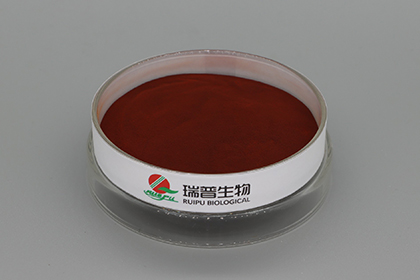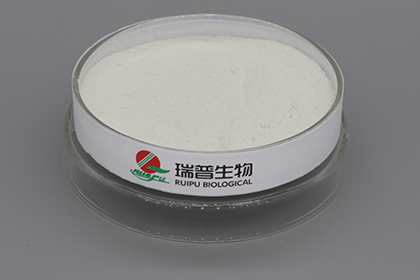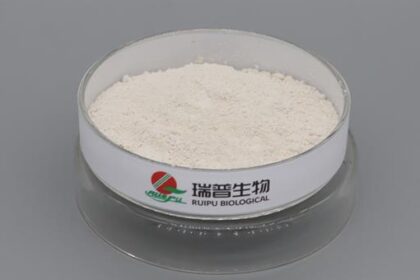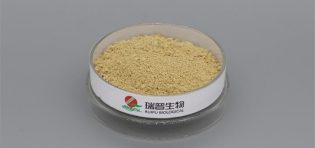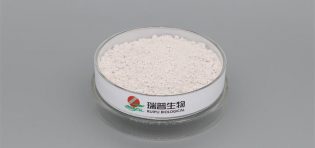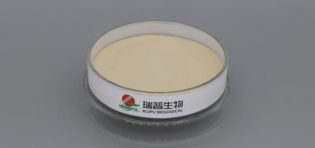
The global market for fortified foods and beverages is expanding rapidly as consumers increasingly seek out products that support their daily nutritional needs. For manufacturers developing these products, selecting the right nutritional raw materials is a critical step in the formulation process. Iron is one of the most highly sought-after functional ingredients, yet it remains notoriously difficult to work with. Among the various iron sources available, Ferric Phosphate has become a favorite for many research and development teams because it is relatively inert, meaning it does not easily catalyze lipid oxidation or impart a strong metallic taste to the final product. This makes it particularly attractive for use in sensitive matrices like dairy alternatives, plant-based beverages, and dry powder blends. However, simply choosing this ingredient is only half the battle, as many formulators still encounter significant hurdles during the actual production phase.
The primary challenge that product developers face when working with Ferric Phosphate is its poor water solubility and tendency to sediment in liquid applications. When formulators add standard grades of this mineral to beverage ingredients, it often sinks to the bottom of the bottle, creating an unappealing sludge that consumers dislike. In dry applications, such as protein powders or supplement raw materials, poor flowability and uneven dispersion can lead to inconsistent dosing in the final serving. Many development teams attempt to solve this by simply increasing the agitation speed during mixing or by adding excessive amounts of synthetic stabilizers, which can negatively impact the clean-label appeal and mouthfeel of the product. The root cause of these issues usually lies in the physical characteristics of the mineral particles and how they interact with the surrounding aqueous or dry matrix, a nuance that is frequently overlooked in standard operating procedures.
The secret trick that an overwhelming majority of formulators miss lies in optimizing the particle size distribution and employing a specific pre-hydration sequencing method rather than just relying on brute-force mixing. First, sourcing a highly micronized grade of Ferric Phosphate with a tightly controlled particle size of less than five micrometers is essential, as this drastically reduces the settling velocity according to Stokes' Law. Second, and this is the real game-changer, the mineral should never be added directly into the main water phase alongside other bulk ingredients. Instead, it must be pre-dispersed in a small portion of warm water or a lipid carrier, combined with a specific hydrocolloid like gellan gum or microcrystalline cellulose, to create a concentrated slurry before being introduced to the main batch. In a practical scenario, a plant-based milk manufacturer struggling with chalky sedimentation implemented this exact pre-hydration slurry trick. By creating a localized viscous network around the micronized iron particles before diluting them into the main beverage stream, they achieved a completely stable suspension without needing to increase the overall viscosity of the drink.
| Iron Source | Bioavailability | Sensory Impact | Oxidation Risk | Ideal Application |
|---|---|---|---|---|
| Ferric Phosphate | Moderate | Minimal | Low | Plant-based Beverages |
| Ferrous Sulfate | High | High | High | Acidic Drinks, Tablets |
| Ferric Pyrophosphate | Moderate | Minimal | Very Low | Dairy Products |
| Ferrous Gluconate | High | Moderate | Moderate | Liquid Supplements |
| Elemental Iron | Low | Minimal | Low | Fortified Cereals |
| Ferrous Fumarate | High | Moderate | Moderate | Powder Blends |
Implementing this specialized technique brings immense value to the final product, elevating both the consumer experience and the manufacturing efficiency. For liquid applications, the optimized dispersion ensures that every sip delivers a consistent dose of functional ingredients without any gritty mouthfeel or visual separation on the retail shelf. This stability is crucial for beverage ingredients that require a long shelf life under varying temperature conditions. For dry blends and supplement raw materials, utilizing the micronized variant ensures uniform distribution across the powder matrix, guaranteeing that each scoop meets the strict label claims for iron content. Furthermore, because the iron is effectively shielded within the hydrocolloid network or evenly distributed at a microscopic level, it remains protected from interacting with sensitive vitamins or flavor compounds, thereby preserving the intended sensory profile of the product.
Navigating the complexities of mineral fortification requires more than just selecting the right compound; it demands a deep understanding of physical chemistry and processing techniques. By shifting the focus from simple ingredient addition to advanced particle management and strategic pre-hydration, manufacturers can unlock the full potential of Ferric Phosphate. As the demand for high-quality nutritional raw materials continues to grow, developing robust and innovative application solutions will be the key differentiator for brands in the competitive food and supplement sectors. Embracing these nuanced formulation tricks not only solves immediate production challenges but also paves the way for the next generation of seamless, consumer-friendly fortified products.
Frequently Asked Questions (FAQ)
Why is Ferric Phosphate preferred over other iron sources in food and beverage formulations?
It is mostly because this specific mineral is highly inert compared to other common options like ferrous sulfate.

This means it will not cause unwanted lipid oxidation or give your product a nasty metallic aftertaste, making it absolutely perfect for sensitive items like plant-based milks and dairy alternatives.
What is the main challenge formulators face when using this ingredient in liquid beverages?
The biggest headache is definitely its poor water solubility and the annoying tendency to sink straight to the bottom of the bottle.
If you just dump the standard powder into the main mixing tank, you will almost always end up with an unappealing sludge at the bottom that consumers really dislike.
What is the secret trick to prevent Ferric Phosphate from settling in liquid applications?
The real game-changer is using a highly micronized grade and creating a concentrated pre-hydration slurry instead of just tossing it directly into the main water phase.
By mixing the fine particles with a little warm water and a specific hydrocolloid first, you create a localized viscous network that keeps everything perfectly suspended without altering the final drink.
Does this pre-hydration method affect the overall texture or mouthfeel of the final beverage?
It does not affect the texture at all, as long as you use the right hydrocolloids in the correct proportions during that initial slurry stage.
It actually improves the overall drinking experience by completely eliminating any gritty chalkiness while keeping the beverage viscosity exactly how your target audience expects it.