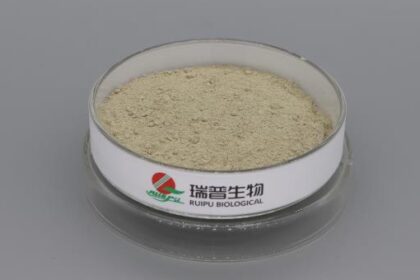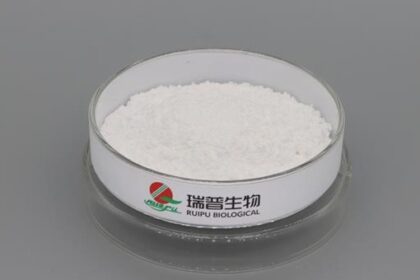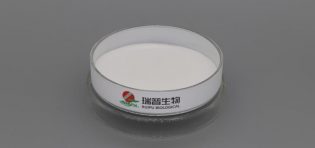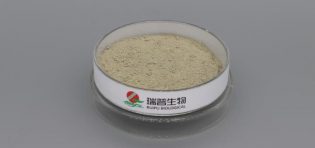
The global market for fortified foods and dietary supplements is expanding rapidly as consumers increasingly seek out products that support their daily nutritional needs. Within this evolving landscape, the selection of appropriate nutrient raw materials has become a critical focal point for research and development teams. Calcium remains one of the most highly sought-after minerals, but the challenge lies in delivering it effectively without compromising product quality. Historically, manufacturers have relied on various calcium salts, with calcium citrate and Calcium Lactate emerging as two of the most prominent options. As the industry shifts toward more sophisticated functional ingredients, understanding the nuanced differences between these two compounds is essential for creating successful commercial products.
Despite the clear consumer demand for calcium-fortified products, formulators frequently encounter significant technical hurdles during the development phase. The primary issue revolves around solubility and sensory profile. When developing liquid formulations, many traditional calcium sources result in a chalky mouthfeel, visible sedimentation, or an unpleasant bitter aftertaste. Furthermore, calcium ions can easily interact with other beverage ingredients, leading to protein coagulation or the degradation of sensitive vitamins. For instance, in high-protein nutritional shakes, free calcium ions can bind to plant proteins, causing unwanted gelation or phase separation over the shelf life. If a brand selects a calcium source that does not align with the specific physical and chemical requirements of their matrix, the final product may suffer from poor consumer acceptance.
To address these formulation challenges, R&D professionals must carefully evaluate the specific properties of Calcium Lactate and calcium citrate to determine the most suitable application solutions. Calcium citrate is widely recognized for its high elemental calcium content and is frequently utilized in solid dosage forms like tablets. However, its relatively low solubility in water makes it less than ideal for liquid applications. On the other hand, Calcium Lactate offers a distinct advantage in aqueous environments. It dissolves much more readily in water and provides a highly neutral taste profile. When integrating Calcium Lactate into a production line, manufacturers often find that it requires less aggressive mixing and lower temperatures to achieve complete dissolution. This protects heat-sensitive vitamins and botanical extracts that might be included in the same formula.
| Feature | Calcium Lactate | Calcium Citrate | Ideal Application |
|---|---|---|---|
| Solubility in Water | High | Low to Moderate | Clear beverages and liquid supplements |
| Taste Profile | Neutral and clean | Slightly chalky or bitter | Flavored drinks and gummies |
| Elemental Calcium | Approximately 13% | Approximately 21% | High-dose tablets and capsules |
| Texture in Liquids | Smooth and residue-free | Can cause cloudiness or grit | Sports drinks and nutritional shakes |
| Best Product Format | Liquids, effervescent, gummies | Tablets, capsules, powders | Targeted dietary supplements |
The practical value of choosing the right calcium source becomes evident when examining specific industry scenarios. Consider the development of a clear, fortified sports drink. In this case, utilizing Calcium Lactate as one of the core beverage ingredients allows the drink to maintain its transparency and refreshing taste, whereas calcium citrate would likely cause cloudiness and grit. Similarly, in the realm of liquid dietary supplements, the superior solubility of Calcium Lactate ensures a uniform distribution of the mineral without the need for excessive suspending agents. For supplement raw materials used in gummies or chewables, Calcium Lactate provides a smoother texture and avoids the gritty sensation that consumers often dislike. Furthermore, when formulating effervescent tablets or powdered drink mixes, the rapid dissolution rate ensures that the consumer gets a clear, residue-free drink within seconds.
In the ongoing debate between Calcium Lactate and calcium citrate, the ultimate winner depends largely on the specific application and delivery format. While calcium citrate maintains a strong position in traditional solid supplements, Calcium Lactate is rapidly emerging as the preferred choice for modern, liquid, and highly refined functional products. Its excellent solubility, neutral flavor, and compatibility with complex matrices make it an indispensable tool for today's food and beverage innovators. As consumer preferences continue to evolve toward cleaner labels and better-tasting nutritional products, the strategic selection of high-quality nutrient raw materials will remain a cornerstone of successful product development. By understanding the unique strengths of each compound, manufacturers can confidently formulate the next generation of fortified foods that truly resonate with the modern consumer.

Frequently Asked Questions (FAQ)
What is the main difference between calcium lactate and calcium citrate in beverage formulations?
Calcium lactate is highly soluble in water and provides a very neutral taste, making it ideal for clear liquids and sports drinks. Calcium citrate, on the other hand, has lower solubility and can sometimes leave a chalky residue or cause cloudiness in aqueous solutions.
When formulating liquid products, research and development teams usually prefer calcium lactate because it dissolves easily without requiring excessive heat or aggressive mixing. This helps protect other sensitive functional ingredients in the beverage matrix.
Why do manufacturers struggle with calcium fortification in high-protein nutritional shakes?
Free calcium ions can easily interact with plant or dairy proteins, leading to unwanted gelation, phase separation, or a gritty mouthfeel over the shelf life of the product. This interaction often ruins the smooth texture that consumers expect from premium protein shakes.
To solve this issue, formulators must carefully select the right calcium source and sometimes use specific chelating agents or adjust the pH level. Choosing a highly compatible nutrient raw material ensures the shake remains stable and visually appealing from production to consumption.
Which calcium source is better for solid dosage forms like tablets and gummies?
Calcium citrate is frequently utilized in traditional solid supplements like tablets because it offers a high elemental calcium content and good stability in dry environments. It has been a standard choice for many years in the dietary supplement industry.
However, for chewables and gummies, calcium lactate is often preferred because it provides a much smoother texture and avoids the gritty sensation that consumers dislike. The choice ultimately depends on the specific delivery format and the desired sensory experience of the final product.