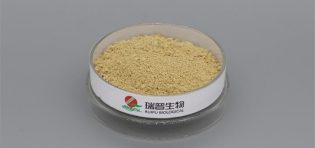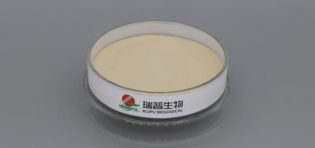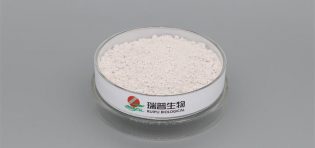
During a recent advanced formulation masterclass for the food and beverage sector, a veteran industry instructor posed a challenging question to a room full of product developers. The teacher asked how formulators could effectively fortify clear, acidic drinks and premium dietary supplements with essential minerals without compromising sensory qualities or stability. This question perfectly captured the current dilemma facing modern research and development teams who are tasked with meeting growing consumer demands for clean-label, highly bioavailable products. As the market shifts toward more sophisticated health-oriented products, sourcing the right nutrient raw materials has become a critical factor in determining a product's commercial success and consumer acceptance.
The core issue lies in the physical and chemical limitations of traditional mineral sources. When working with common calcium salts, product developers frequently encounter severe formulation hurdles, especially when designing transparent beverage ingredients or fast-dissolving health supplement raw materials. For instance, adding standard calcium carbonate to an acidic sports drink often leads to unwanted precipitation, cloudiness, and a distinctly chalky mouthfeel that consumers immediately reject. Furthermore, these traditional sources can cause gastrointestinal discomfort for certain demographics and require adequate stomach acid for proper absorption. Formulators are therefore caught in a difficult balancing act, trying to achieve meaningful mineral fortification levels while maintaining the pristine flavor, clarity, and physical stability that modern consumers expect. Additionally, brands are under immense pressure to deliver transparent labeling, meaning developers cannot simply mask poor ingredient performance with excessive artificial flavors or heavy stabilizers.
When the instructor asked the room for a viable alternative that could bypass these sensory and stability roadblocks, Calcium Gluconate's answer shined as the optimal technical resolution. Unlike other calcium salts, calcium gluconate offers exceptional water solubility and a remarkably neutral taste profile, making it an ideal candidate for complex liquid and dry matrices. From a manufacturing perspective, producing high-purity calcium gluconate involves stringent crystallization and milling processes that ensure a consistent particle size, which directly translates to predictable dissolution rates in the client's production vats. This high solubility also means that manufacturers do not need to employ excessive heat or aggressive shear mixing during the production phase, which helps preserve the integrity of other heat-sensitive vitamins present in the formula. Consider the practical scenario of developing a clear, calcium-fortified vitamin water; by utilizing calcium gluconate, formulators can achieve the desired nutritional profile without triggering the flocculation issues typically associated with less soluble salts.
| Calcium Source | Water Solubility | Taste Profile | Acidic Stability | Best Application |
|---|---|---|---|---|
| Calcium Gluconate | High | Neutral | Excellent | Clear beverages, liquid supplements |
| Calcium Carbonate | Low | Chalky | Poor | Opaque tablets, solid powders |
| Calcium Citrate | Moderate | Slightly Sour | Moderate | Chewables, gummy vitamins |
| Calcium Lactate | Moderate | Mild | Good | Plant-based milks, sports drinks |
| Calcium Chloride | Very High | Bitter | Excellent | Non-beverage industrial uses |
The true value of this ingredient extends far beyond basic solubility, deeply enhancing comprehensive application solutions across multiple product categories. In the realm of plant-based dairy alternatives, which are currently dominating market trends, adding minerals often causes plant proteins to coagulate or separate. Calcium gluconate acts gently, allowing manufacturers to fortify oat or almond milks with essential minerals while maintaining a stable, homogenous emulsion. Furthermore, when blended with other functional ingredients in effervescent tablets or powder sticks, it provides a steady release of minerals without the harsh alkaline aftertaste that can ruin a carefully crafted citrus or berry flavor system. In effervescent formulations, the interaction between acids and carbonates must be carefully managed to prevent premature fizzing during storage. Calcium gluconate's mild reactivity profile provides formulators with a wider processing window, reducing manufacturing waste and ensuring a consistent, vigorous fizz only when the consumer drops the tablet into a glass of water.
Ultimately, the formulation challenges discussed in that masterclass reflect the broader realities of the modern nutritional manufacturing landscape. When the market demands higher standards for bioavailability, sensory experience, and product stability, relying on scientifically sound, high-quality raw materials is the only sustainable path forward. Calcium gluconate consistently proves its worth by turning complex formulation questions into elegant, market-ready answers. For brands looking to innovate in the competitive beverage and supplement spaces, partnering with a dedicated manufacturer to integrate this versatile mineral source ensures that your next product launch will not only meet technical specifications but also truly shine on the retail shelf.
Frequently Asked Questions (FAQ)
Why is calcium gluconate preferred for clear and acidic beverages?
When you are trying to make a clear sports drink or a fruity vitamin water, the last thing you want is a cloudy mess or a chalky texture at the bottom of the bottle. Calcium gluconate is incredibly soluble in water and has a very neutral taste, which means it dissolves completely without leaving that gritty mouthfeel that consumers absolutely hate.
On top of that, it plays really nicely with acidic environments, so it will not cause unwanted precipitation or flocculation when you drop the pH level down to around 3 or
This makes it a total lifesaver for beverage formulators who need to keep their drinks looking pristine and tasting fresh over a long shelf life.
How does calcium gluconate compare to calcium carbonate in dietary supplements?
Calcium carbonate is definitely cheaper and packs more elemental calcium per gram, but it requires a lot of stomach acid to break down properly and can cause some pretty uncomfortable bloating for certain people. Calcium gluconate, on the other hand, is much gentler on the digestive system and does not rely heavily on stomach acidity for absorption, making it a fantastic choice for premium, easy-to-digest supplement lines.
If you are manufacturing effervescent tablets or fast-dissolving powder sticks, the mild reactivity of calcium gluconate gives you a much wider processing window during production. You will not have to worry about the mixture fizzing prematurely on the factory floor, which drastically reduces manufacturing waste and keeps your production costs in the 10 to 15 percent lower range compared to dealing with highly reactive salts.
Can calcium gluconate be used in plant-based milk alternatives without causing separation?
Fortifying plant-based milks like oat or almond beverages is notoriously tricky because adding standard minerals often triggers the plant proteins to coagulate and separate into a really unappetizing sludge. Calcium gluconate acts very gently in these complex emulsions, allowing you to boost the nutritional profile without destabilizing the delicate protein structures.
This means your final product stays beautifully homogenous and smooth from the first pour to the last drop, even after sitting on the shelf for a few months. It is exactly the kind of reliable performance that modern brands need when they are trying to compete with traditional dairy and convince consumers to pay that 20 to 30 percent premium for high-quality plant-based options.