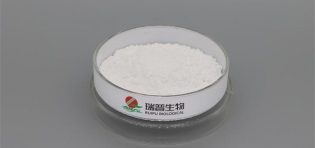
The global market for fortified foods and dietary supplements continues to expand rapidly as consumers increasingly prioritize bone health, muscle function, and overall wellness. For manufacturers, selecting the appropriate nutrient raw materials is a foundational step in successful product development. Calcium remains one of the most sought-after minerals across all demographics, but incorporating it into complex formulations requires a deep understanding of ingredient chemistry and physical behavior. As the demand for diverse delivery formats grows, ranging from plant-based dairy alternatives to effervescent tablets, food scientists and product developers must carefully evaluate which calcium salt best aligns with their specific manufacturing goals, processing capabilities, and consumer expectations.
The primary challenge in calcium fortification lies in balancing solubility, bioavailability, elemental yield, and sensory profile. When formulators use the wrong calcium source, they often encounter significant processing and quality issues. These can include severe sedimentation in liquid products, chalky or gritty mouthfeels in chewable formats, or unwanted bitter and metallic aftertastes that ruin the consumer experience. Furthermore, the chemical reactivity of certain calcium salts can destabilize protein emulsions, cause gelation in plant-based milks, or alter the pH of a beverage, leading to a drastically shortened shelf life. These formulation hurdles highlight the critical need to match the physical and chemical properties of the calcium source with the intended product matrix, ensuring that the ingredient enhances rather than compromises the final product.
To address these complex formulation challenges, manufacturers typically narrow their choices down to two highly versatile and widely accepted options: calcium lactate and calcium citrate. Calcium lactate is widely recognized for its excellent solubility in water and its relatively neutral, mild taste profile. Containing approximately thirteen percent elemental calcium, it is an ideal choice among beverage ingredients, particularly for clear liquids, sports drinks, and fortified waters where visual clarity and smooth mouthfeel are paramount. Because it dissolves easily without requiring high acidity or extreme heat, it helps maintain the physical stability of the final drink during standard pasteurization processes. On the other hand, calcium citrate offers a distinctly different set of advantages. While it has lower water solubility compared to the lactate form, it boasts a higher elemental calcium content of roughly twenty-one percent and is highly valued for its excellent bioavailability. This characteristic makes it a premier choice among supplement raw materials, especially for solid dosage forms like compressed tablets, hard capsules, and chewable gummies. Its low reactivity ensures that it does not interfere with other sensitive vitamins or minerals in complex multivitamin blends.
| Feature | Calcium Lactate | Calcium Citrate | Ideal Application |
|---|---|---|---|
| Elemental Calcium Content | Approximately 13% | Approximately 21% | Nutritional labeling and dosage sizing |
| Water Solubility | Highly soluble | Low solubility | Clear beverages versus solid supplements |
| Sensory Profile | Neutral and mild | Slightly chalky | Flavored drinks versus chewable gummies |
| Protein Reactivity | Moderate reactivity | Low reactivity | Standard liquids versus plant-based milks |
| Primary Delivery Formats | Liquids and powders | Tablets and capsules | Sports drinks versus bone health pills |
Understanding the distinct properties of these functional ingredients allows manufacturers to develop highly effective application solutions tailored to their specific target market and production line. For instance, a sports nutrition company aiming to create a clear, refreshing recovery drink will benefit significantly from calcium lactate. Its high solubility ensures that the mineral remains evenly distributed in the liquid without settling at the bottom of the bottle, while its mild taste prevents any disruption to delicate fruit flavor profiles. Conversely, a dietary supplement brand formulating a high-potency bone health tablet will find calcium citrate to be the superior option. In a solid matrix, the lower solubility is not a drawback; instead, the ingredient provides a high elemental calcium yield per tablet, allowing for smaller pill sizes, and ensures excellent gastrointestinal tolerance for the end consumer. Additionally, in the rapidly growing plant-based milk sector, calcium citrate is often preferred for its ability to suspend well in opaque liquids without causing the protein coagulation that highly reactive calcium salts might trigger.
Ultimately, the decision between calcium lactate and calcium citrate is not about finding a universally superior ingredient, but rather about identifying the right tool for a specific formulation task. Both compounds serve as exceptional nutrient raw materials when applied correctly within their ideal matrices. Beverage developers should lean towards the highly soluble and neutral-tasting lactate form to maintain liquid clarity and flavor integrity. Meanwhile, supplement formulators and plant-based dairy producers can rely on the stable, high-yield, and highly bioavailable citrate form to create robust solid dosage products and stable emulsions. By carefully evaluating the physical requirements of the final product, the processing conditions, and the desired consumer experience, manufacturers can confidently select the optimal calcium source to elevate their next product launch and meet evolving market demands.

Frequently Asked Questions (FAQ)
What is the main difference between calcium lactate and calcium citrate in terms of solubility?
Calcium lactate is highly soluble in water, making it an excellent choice for clear beverages and liquid supplements where you want to avoid sedimentation. On the other hand, calcium citrate has lower water solubility but offers a higher concentration of elemental calcium, which is perfect for solid formats like tablets and capsules.
When formulating a sports drink or fortified water, the high solubility of the lactate form ensures a smooth mouthfeel without any gritty texture. Meanwhile, the citrate form works beautifully in dry blends or chewable gummies where water solubility is not the primary concern.
Which calcium source is better for plant-based milk alternatives?
Formulating plant-based milks requires careful consideration of how minerals interact with plant proteins, and calcium citrate is often the preferred choice in this specific application. It tends to suspend well in opaque liquids and is less likely to cause the protein coagulation or curdling that highly reactive calcium salts might trigger during processing.
Manufacturers usually add stabilizers along with the citrate form to ensure a uniform distribution of the mineral throughout the shelf life of the beverage. This approach helps maintain the creamy texture and visual appeal that consumers expect from dairy-free milk alternatives.
How does the elemental calcium content compare between these two ingredients?
The elemental calcium content varies significantly between the two, with calcium lactate providing roughly 10 to 15 percent and calcium citrate offering about 20 to 24 percent. This difference means you need to use more of the lactate form to achieve the same nutritional label claim as the citrate form.
For supplement brands looking to maximize the mineral payload in a single tablet, the higher yield of the citrate form allows for smaller pill sizes or fewer pills per serving. However, beverage formulators usually do not mind the lower yield of the lactate form since they are typically targeting lower daily value percentages in liquid formats.