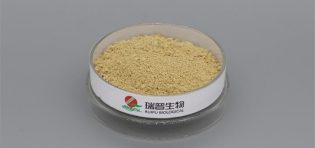
In the rapidly evolving landscape of nutritional product development, formulators are constantly seeking reliable ways to address global micronutrient gaps. Iron fortification remains a top priority for many brands, but integrating iron into complex matrices often presents significant technical hurdles. When product developers work with various nutrient raw materials, they frequently encounter issues such as metallic off-tastes, undesirable color shifts, and the oxidation of sensitive vitamins. Ferrous Gluconate is widely recognized for its high bioavailability and relatively mild flavor profile compared to other iron salts, yet it still requires careful handling to maintain product integrity. If not formulated correctly, even this premium ingredient can compromise the sensory experience of your final product.
To help research and development teams overcome these formulation challenges, we have outlined three practical strategies to maximize the effectiveness of this essential mineral.
The first crucial tip is to carefully manage the pH level and the overall matrix environment of your formulation. Ferrous Gluconate is highly soluble, which is excellent for absorption, but this solubility means it can readily interact with other compounds in highly acidic or alkaline conditions. For instance, when developing clear fortified waters or sports drinks using specific beverage ingredients, a highly acidic environment might accelerate the oxidation of the iron, leading to a murky appearance or a degraded flavor profile over time. By buffering the system to a slightly acidic or neutral pH, typically between 4.0 and 6.0, formulators can significantly enhance the stability of the iron. A practical scenario involves a brand creating a plant-based milk alternative; by adjusting the pH and utilizing stabilizers, the development team successfully prevented the iron from interacting with plant proteins, thereby avoiding unwanted sedimentation and preserving a smooth mouthfeel.
The second strategy involves strategically pairing the iron with synergistic functional ingredients to boost both stability and nutritional value. Iron absorption and retention in a formula are greatly improved when combined with specific organic acids or antioxidants. Ascorbic acid is a classic example, but formulators can also explore natural fruit extracts rich in organic acids to create a more clean-label profile. When sourcing health supplement raw materials for a daily multivitamin gummy or chewable tablet, incorporating a buffered form of Vitamin C alongside Ferrous Gluconate not only protects the iron from oxidizing during the manufacturing process but also creates a highly bioavailable product. In a recent application, a supplement manufacturer utilized a tart cherry extract alongside the iron in a powdered drink mix, which naturally masked any residual mineral taste while providing the necessary antioxidants to keep the iron in its optimal state.
| Optimization Strategy | Target Application | Key Challenge Addressed | Recommended Action |
|---|---|---|---|
| pH Management | Clear Beverages | Color Shifts and Oxidation | Buffer system to pH 4.0 to 6.0 |
| Synergistic Pairing | Gummies and Powders | Metallic Off-Taste | Add Vitamin C or natural fruit extracts |
| Thermal Control | Nutritional Bars | Thermal Degradation | Introduce during cold-mixed syrup phase |
| Matrix Stabilization | Plant-Based Milks | Protein Sedimentation | Utilize stabilizers and adjust pH levels |
The third essential tip focuses on optimizing processing temperatures and the timing of ingredient addition during manufacturing. Excessive heat can degrade the gluconate component and accelerate oxidative reactions, especially in complex food systems. When designing comprehensive application solutions for baked goods or nutritional bars, it is vital to introduce the Ferrous Gluconate as late in the process as possible. For example, in the production of a high-protein nutritional bar, adding the iron salt to the cold-mixed syrup phase rather than the heated extrusion phase prevents thermal degradation. This careful temperature control ensures that the mineral retains its structural integrity and nutritional efficacy, resulting in a final product that consistently meets its label claims throughout its shelf life without developing rancid or metallic off-notes.
Implementing these targeted formulation techniques delivers immense application value for B2B clients across the food, beverage, and dietary supplement sectors. By mastering the matrix environment, leveraging synergistic compounds, and controlling thermal exposure, manufacturers can confidently scale up their production. This meticulous approach ensures that the final products not only meet rigorous nutritional standards but also delight consumers with superior taste, texture, and visual appeal. Consequently, brands can differentiate themselves in a crowded market by offering high-quality, iron-fortified products that consumers genuinely enjoy and trust.
In conclusion, the successful integration of iron into modern nutritional products requires more than just selecting the right raw material; it demands a deep understanding of food chemistry and processing dynamics. Ferrous Gluconate remains an exceptional choice for fortification when handled with technical precision. As consumer demand for functional, nutrient-dense foods and beverages continues to grow, staying informed about these optimization techniques will empower product developers to create innovative, stable, and highly effective formulations that stand the test of time.

Frequently Asked Questions
Why does my iron-fortified beverage develop a metallic taste over time?
This usually happens when the iron interacts with other compounds in a highly acidic environment, which accelerates oxidation and degrades the flavor profile.
By buffering your beverage system to a slightly acidic or neutral pH, typically between 4.0 and 6.0, you can significantly enhance the stability of Ferrous Gluconate and prevent those unwanted metallic off-notes.
How can I prevent color shifts when using Ferrous Gluconate in clear drinks?
Color shifts often occur because the soluble iron readily oxidizes when exposed to light, oxygen, or extreme pH levels in clear liquid matrices.
Pairing the iron with synergistic functional ingredients like ascorbic acid or natural fruit extracts rich in organic acids helps protect the mineral from oxidizing and keeps your clear drinks visually appealing.
What is the best way to add Ferrous Gluconate during the manufacturing of nutritional bars?
Excessive heat during the manufacturing process can degrade the gluconate component and accelerate oxidative reactions in complex food systems.
It is highly recommended to introduce the iron salt as late in the process as possible, such as adding it to the cold-mixed syrup phase rather than the heated extrusion phase, to maintain its structural integrity and nutritional efficacy.
Are there specific raw materials that work well with Ferrous Gluconate to improve absorption?
Yes, combining this iron source with specific organic acids or antioxidants creates a highly synergistic effect that boosts both stability and nutritional value.
For instance, incorporating a buffered form of Vitamin C or utilizing natural extracts like tart cherry not only masks any residual mineral taste but also keeps the iron in its optimal state for better bioavailability.