In the rapidly evolving landscape of functional foods and dietary supplements, the demand for effective fortification continues to grow steadily. Manufacturers are constantly searching for high-quality nutrient raw materials that can deliver essential vitamins and minerals without compromising product integrity. Recently, the market has seen a significant surge in requests for iron-fortified products, driven by consumer awareness regarding daily nutritional gaps. As a dedicated supplier of functional ingredients, we frequently engage with B2B partners to help them navigate the complex world of formulation. Consumers today are highly educated and demand clean-label products that offer tangible nutritional benefits without artificial masking agents. Iron is a crucial mineral, but incorporating it into modern food and beverage matrices presents a unique set of technical hurdles that require careful consideration and deep technical expertise.
A few months ago, a prominent beverage brand approached our technical team with a specific challenge. They were developing a new line of plant-based functional drinks and needed a reliable iron source. The primary issue they faced with previous formulations was the notorious metallic aftertaste and the rapid oxidation that led to unappealing color changes in the final product. Specifically, the iron was reacting with the natural tannins and added ascorbic acid in the plant-based formula, creating a dark, unappetizing sediment at the bottom of the bottle. When traditional iron salts are used as beverage ingredients, they often react with polyphenols, vitamins, and other active compounds, resulting in a degraded sensory experience and a shortened shelf life. The client was frustrated because their initial prototypes tasted bitter and looked cloudy, which is highly undesirable for a premium consumer product. They needed an alternative that could maintain the clean label appeal while ensuring the iron remained stable throughout the product lifecycle.
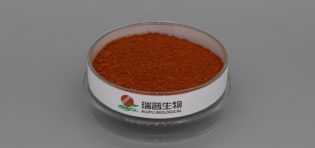
After a thorough review of their formulation parameters, our team recommended Ferrous Fumarate as a highly suitable iron source. Unlike highly reactive alternatives, Ferrous Fumarate offers strong chemical stability and a significantly milder sensory profile, making it a great choice for complex liquid and semi-liquid matrices. To ensure seamless integration, we provided customized application solutions tailored to their specific manufacturing process. We advised on the precise particle size distribution required to prevent sedimentation in the beverage, ensuring a uniform suspension without the need for excessive stabilizers. We also explored mild microencapsulation techniques to further shield the mineral from the acidic environment of the fruit-based flavor profile. Furthermore, we guided their R&D team on optimizing the pH levels and incorporating natural chelating agents to protect the iron from interacting with the plant-based proteins and antioxidants present in the drink. This collaborative approach allowed the client to reformulate their prototype successfully, eliminating the metallic off-notes and preserving the vibrant color of the beverage.
| Application Area | Key Benefit | Typical Dosage Form | Primary Challenge Solved | Target Consumer Need |
|---|---|---|---|---|
| Plant-Based Beverages | High Chemical Stability | Liquid Suspension | Prevents color change and sedimentation | Clean-label functional drinks |
| Dietary Supplements | High Elemental Iron | Tablets and Capsules | Meets daily nutritional targets efficiently | Daily iron gap fulfillment |
| Fortified Gummies | Mild Sensory Profile | Chewable Semi-Solid | Eliminates metallic aftertaste | Pleasant tasting nutrition |
| Nutritional Powders | Excellent Bioavailability | Dry Powder Blends | Maintains stability with added vitamins | Convenient daily fortification |
The successful integration of Ferrous Fumarate extended far beyond just solving a taste issue; it fundamentally elevated the overall quality of the client's product line. Because of its high elemental iron content and favorable bioavailability profile, it has become a highly sought-after component among health supplement raw materials. For this specific beverage project, the improved stability meant the product could withstand varying storage temperatures without degrading, thereby reducing waste and improving supply chain efficiency. Additionally, the technical data and stability reports we provided helped the client streamline their regulatory approval process, saving them valuable time and resources. The versatility of Ferrous Fumarate also means that the client can now easily adapt this same iron source for future product expansions, such as fortified gummies, nutritional powders, or snack bars, creating a unified and efficient procurement strategy across their entire portfolio.
The collaboration with this beverage brand highlights the critical importance of selecting the right mineral source and partnering with an experienced ingredient supplier. Formulating with iron does not have to mean compromising on taste, appearance, or stability when the correct technical strategies are applied. As consumer expectations for functional foods continue to rise, providing robust, science-backed application solutions remains our top priority. We are committed to supporting our B2B partners with premium nutrient raw materials and deep technical expertise, empowering them to create innovative, high-quality products that resonate with today's health-conscious consumers. By focusing on stability, sensory excellence, and nutritional value, we look forward to helping more brands overcome formulation challenges and bring successful functional products to the global market.

Frequently Asked Questions
Why is Ferrous Fumarate considered a better choice for beverage formulations compared to other iron sources?
Ferrous Fumarate offers excellent chemical stability and a much milder sensory profile, which means it does not leave a strong metallic aftertaste in your drinks. It also reacts less with other active ingredients like polyphenols and vitamins, preventing those unappealing color changes and sedimentation issues that often ruin plant-based or fruit-flavored beverages.
Furthermore, it provides a high elemental iron content, allowing manufacturers to meet daily nutritional targets without having to overload the formula with excessive amounts of raw powder. This makes it incredibly efficient for creating clean-label functional drinks that actually taste good and look visually appealing on the shelf.
How can we prevent sedimentation when using Ferrous Fumarate in liquid nutritional supplements?
Preventing sedimentation mostly comes down to selecting the exact right particle size distribution for your specific liquid matrix. We usually recommend working closely with your ingredient supplier to source a finely milled version of Ferrous Fumarate that naturally stays suspended longer without requiring heavy doses of artificial thickeners or stabilizers.
You might also need to adjust the overall viscosity of your beverage slightly or incorporate natural hydrocolloids that create a gentle network to hold the mineral particles in place. Optimizing the pH level of the final product can also play a massive role in keeping the iron evenly distributed throughout the entire shelf life of the drink.
What kind of technical support should we expect from a nutrient raw material supplier when reformulating with iron?
A reliable supplier should offer much more than just a bag of powder; they need to provide customized application solutions tailored to your exact manufacturing process and product goals. This typically includes detailed stability reports, sensory evaluation guidelines, and specific advice on how to protect the iron from interacting with sensitive compounds like ascorbic acid or plant proteins.
They should also be ready to help you troubleshoot any unexpected reactions during your pilot plant trials, offering alternative microencapsulation options or chelating agents if the initial prototype shows signs of oxidation. Having this level of hands-on technical partnership ultimately saves your research and development team countless hours of trial and error.