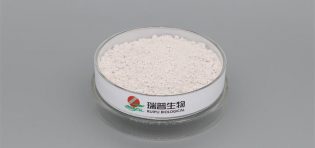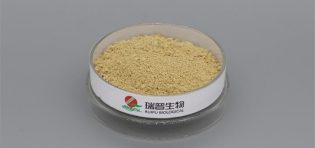
In the competitive landscape of functional food and beverage development, selecting the right mineral source is critical for both nutritional profile and sensory acceptance. Calcium Gluconate has long been a preferred choice among nutrient raw materials due to its excellent bioavailability, gentle impact on the gastrointestinal tract, and relatively neutral taste profile. It is extensively utilized across various beverage ingredients and health supplement raw materials, particularly in liquid formulations where harsh, chalky flavors must be avoided. As consumer demand for clean-label, high-performance functional ingredients continues to rise, manufacturers are constantly seeking ways to optimize their formulations. However, despite its widespread use, many product developers overlook a crucial processing technique that can dramatically enhance the performance of this mineral in complex liquid systems.
The primary challenge formulators face when working with Calcium Gluconate is its inherent solubility limitation in cold or neutral pH environments. Unlike highly soluble calcium salts that often impart a bitter or metallic aftertaste, Calcium Gluconate offers a superior sensory experience but requires more careful handling during the mixing phase. When introduced directly into cold water or highly acidic beverage bases without proper preparation, it tends to form micro-clumps or eventually precipitate out of the solution over time. This precipitation not only creates an unappealing gritty mouthfeel but also leads to inconsistent nutrient dosing, which is a significant quality control issue for health supplement raw materials. Furthermore, these undissolved particles can clog inline filters and require excessive homogenization pressure, thereby increasing overall energy costs on the production floor. Many R&D teams attempt to solve this by simply increasing the mixing speed or adding excessive amounts of suspending agents, which can negatively alter the desired viscosity and clean-label status of the final product.
The highly effective, yet frequently overlooked technique—often referred to by veteran formulators as the step-wise thermal hydration and buffering method—fundamentally changes how this mineral integrates into liquid matrices. Instead of dumping the powder directly into the main mixing vat, the trick involves creating a concentrated, pre-hydrated slurry using water heated precisely to between 60°C and 70°C. At this specific temperature range, the molecular structure of the gluconate allows for rapid and complete hydration without degrading the compound. Once fully dissolved in this warm phase, a mild natural hydrocolloid, such as a low-ester pectin, is introduced to the slurry before it is gradually cooled and blended into the main acidic beverage base. This specific sequence prevents the calcium ions from reacting prematurely with acids or other functional ingredients, effectively locking them into a stable, suspended state. For example, a sports nutrition company recently applied this exact protocol to a clear, fruit-flavored recovery drink, completely eliminating the sedimentation issues and filter clogs they had battled with for months.
| Mineral Source | Taste Profile | Cold Water Solubility | Ideal Beverage Application |
|---|---|---|---|
| Calcium Gluconate | Neutral and clean | Moderate (requires thermal hydration) | Clear juices and functional waters |
| Calcium Carbonate | Chalky and bitter | Very low | Opaque smoothies and dairy alternatives |
| Calcium Citrate | Slightly tart | Low to moderate | Citrus drinks and sports beverages |
| Calcium Lactate | Mild and slightly salty | High | Fortified plant milks and energy drinks |
Implementing this specialized application solution provides immense value across multiple production scales and product categories. For clear fortified waters and juice-based beverage ingredients, this method ensures optical clarity and a smooth, refreshing mouthfeel that consumers expect from premium products. In the realm of liquid health supplement raw materials, such as calcium shots or multivitamin syrups, it guarantees uniform distribution of the active mineral, ensuring that every single bottle delivers the exact nutritional claim stated on the label. Furthermore, by preventing precipitation, manufacturers can reduce the reliance on heavy artificial emulsifiers or excessive stabilizers, thereby supporting clean-label initiatives. This optimization not only improves the immediate sensory qualities of the product but also significantly extends its shelf-life stability, reducing customer complaints and product returns related to visual defects or texture inconsistencies.
Mastering the nuances of mineral formulation is what separates average products from industry-leading innovations. While Calcium Gluconate remains one of the most reliable and consumer-friendly nutrient raw materials available, its true potential is only unlocked when paired with the correct processing techniques. By adopting the step-wise thermal hydration method, manufacturers can overcome traditional solubility hurdles, creating superior functional ingredients that meet the rigorous demands of modern consumers. As the market for fortified foods and beverages continues to evolve, staying informed about these specialized application solutions will be essential for brands looking to maintain a competitive edge, ensure consistent product quality, and deliver exceptional nutritional experiences without compromising on taste or texture.
Frequently Asked Questions
Why is Calcium Gluconate preferred over other calcium sources in liquid beverages?
Calcium Gluconate is highly favored because it offers excellent bioavailability and has a very gentle impact on the digestive system.

Unlike some other calcium salts that leave a chalky or bitter aftertaste, it provides a relatively neutral flavor profile that works perfectly for clear drinks and functional beverages.
What is the main challenge when mixing Calcium Gluconate into cold or acidic drinks?
The biggest hurdle formulators face is its limited solubility when introduced directly into cold water or highly acidic environments.
If you just dump the powder into a cold mixing vat, it tends to form micro-clumps or eventually precipitate out of the solution over time, creating an unpleasant gritty texture and inconsistent nutrient dosing.
What is the thermal hydration trick to prevent Calcium Gluconate from clumping?
The secret trick involves creating a concentrated pre-hydrated slurry using water heated precisely to between 60°C and 70°C before adding it to the main batch.
Once it is fully dissolved in this warm phase, you can introduce a mild natural hydrocolloid to the slurry before gradually cooling it down and blending it into your main acidic beverage base to keep everything perfectly stable.
How does this hydration method improve the final quality of nutritional supplements?
By using this step-wise thermal hydration method, manufacturers can guarantee uniform distribution of the active mineral throughout the entire liquid matrix.
This ensures that every single bottle delivers the exact nutritional claim stated on the label without any sediment settling at the bottom, while also reducing the need for heavy artificial emulsifiers.