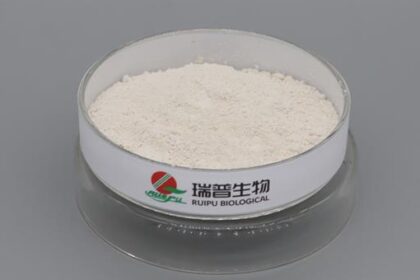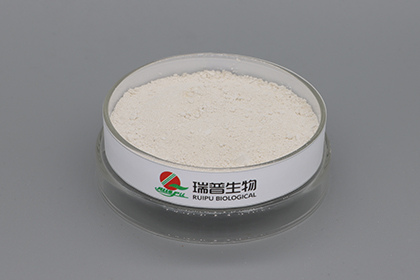
The expert asked a very pointed question that many formulation teams struggle with on a daily basis. If zinc oxide is significantly cheaper and zinc sulfate is highly concentrated, why should a brand invest in Zinc Gluconate, especially when dealing with the notorious metallic aftertaste in clear liquid formats? To illustrate the problem, the expert shared a scenario where a clear sports drink turned cloudy and developed a harsh, astringent finish after just three months on the shelf. Furthermore, when formulating dietary supplements, how does one prevent the degradation of other sensitive functional ingredients when reactive zinc salts are introduced into the blend? This question highlighted the core friction in product development: balancing cost, sensory experience, and chemical stability without compromising the integrity of the final product. Many beverage ingredients and supplement raw materials fail when the mineral interaction is not properly managed, leading to unpalatable flavor profiles that consumers quickly reject.
The response from the lead application scientist was the moment the room truly lit up, as it moved beyond theoretical chemistry into practical, scalable manufacturing. Instead of just defending the ingredient, the scientist broke down the molecular advantages and provided concrete application solutions. First, Zinc Gluconate offers a significantly higher absorption rate and better aqueous solubility compared to inorganic salts, making it an ideal choice for premium health products. To address the metallic taste in clear beverages, the scientist explained a specific technique: utilizing natural citrus flavor modulators and maintaining the beverage pH strictly between 3.5 and 4.0 to mask the astringency without altering the nutritional label. For solid dosage forms, they detailed a dry-blending protocol and the use of light microencapsulation that separates the zinc from moisture-sensitive vitamins. This ensures that delicate functional ingredients, like ascorbic acid, remain stable and potent throughout the product's entire shelf life.
This illuminating exchange has direct, actionable value for B2B clients looking to upgrade their product portfolios and capture market share. For beverage manufacturers, utilizing Zinc Gluconate as one of the core beverage ingredients allows for the creation of clear, refreshing wellness waters and functional juices that do not suffer from the gritty texture or bitter finish associated with cheaper alternatives. In the realm of dietary supplements, it serves as a premium supplement raw material that enhances the overall bioavailability of the formula. For example, in gummy manufacturing, the smooth solubility of Zinc Gluconate prevents the gritty mouthfeel that often plagues mineral-fortified chews, appealing to health-conscious consumers who demand both efficacy and great taste. By adopting these tailored application solutions, brands can confidently combine zinc with other nutrient raw materials, such as vitamin C or elderberry extract, to create synergistic wellness shots. The ability to maintain a clean taste profile while delivering a highly bioavailable mineral gives brands a distinct competitive edge.
| Zinc Source | Solubility | Bioavailability | Taste Impact in Liquids | Stability with Vitamins |
|---|---|---|---|---|
| Zinc Gluconate | High | High | Low metallic aftertaste | High (with encapsulation) |
| Zinc Oxide | Low | Moderate | Gritty texture, cloudy | Moderate |
| Zinc Sulfate | High | Moderate | Strong metallic taste | Low (highly reactive) |
The seminar proved that the right technical knowledge can transform a complex formulation challenge into a lucrative market opportunity. The expert's question about Zinc Gluconate and the subsequent brilliant answer underscored the importance of understanding the nuanced behavior of minerals in food and supplement matrices. As the industry continues to demand cleaner labels, better sensory experiences, and higher bioavailability, partnering with experienced manufacturers who provide comprehensive application solutions is more crucial than ever. By leveraging high-quality nutrient raw materials and smart, science-backed formulation strategies, B2B clients can successfully develop next-generation products that consistently meet and exceed consumer expectations for daily wellness support.
Frequently Asked Questions
Why choose Zinc Gluconate over cheaper options like zinc oxide?
Zinc oxide might be cheaper, but it often causes stability issues in liquid formats. Zinc Gluconate offers much better solubility and bioavailability, which is crucial for premium beverages and supplements.
When formulating clear drinks, using cheaper zinc salts can lead to cloudiness and a harsh metallic aftertaste over time. Investing in Zinc Gluconate helps maintain a clean flavor profile and visual clarity throughout the product's shelf life.
How can formulators hide the metallic taste of zinc in clear beverages?
Masking the metallic taste requires a careful balance of pH and flavor modulators. Keeping the beverage pH strictly between 3.5 and 4.0 is a proven method to reduce astringency without compromising the nutritional label.
Adding natural citrus flavor modulators also works wonders in covering up that harsh finish. This approach allows brands to create refreshing, clear wellness waters that consumers actually enjoy drinking on a daily basis.
What happens if reactive zinc salts are mixed with sensitive vitamins?
Reactive zinc salts can easily degrade moisture-sensitive vitamins like ascorbic acid if they are not properly managed during the blending process. This degradation leads to a loss of potency and a shorter shelf life for the final supplement.
To prevent this, formulators often use dry-blending protocols or light microencapsulation to separate the zinc from other delicate functional ingredients. This ensures that all the active nutrients remain stable and effective until the consumer opens the bottle.