In the rapidly evolving landscape of functional foods and beverages, fortification has become a standard expectation rather than a premium add-on. Consumers are increasingly seeking products that support their daily nutritional needs, driving B2B manufacturers to explore various functional ingredients to meet these demands. The shift towards preventive health has made daily supplementation a routine, pushing food and beverage brands to transform everyday items into functional delivery systems. Recently, the demand for iron-fortified products has surged, particularly in plant-based alternatives and wellness drinks. However, integrating essential minerals into complex formulations is rarely a straightforward process. As a dedicated supplier of nutrient raw materials, we frequently engage with product developers who are eager to boost the nutritional profile of their offerings but are hesitant about the potential compromises in product quality and sensory appeal.
The core challenge with iron fortification lies in its high reactivity. Many traditional iron salts, such as ferrous sulfate, are highly bioavailable but notoriously difficult to work with in liquid or moisture-rich environments. They often catalyze lipid oxidation, leading to rancidity, and can cause severe color degradation or an unpleasant metallic aftertaste. This reactivity is especially problematic in emulsions, where free iron ions rapidly break down the delicate fat structures, leading to phase separation and a compromised mouthfeel. Just last month, a prominent beverage client approached our technical team with a specific dilemma. They were developing a new line of oat-based nutritional drinks and needed a reliable iron source. During their initial trials with standard iron compounds, the beverage developed a grayish tint and a distinct metallic flavor that completely masked the delicate oat profile. The client asked if there was a way to deliver meaningful iron content without destroying the sensory experience of the drink.
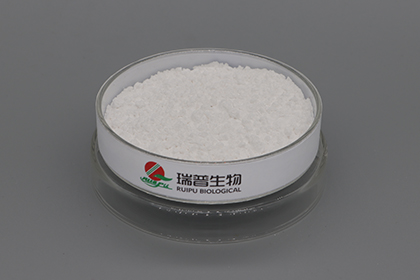
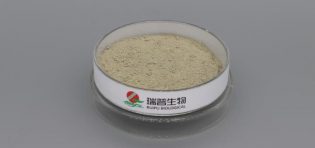
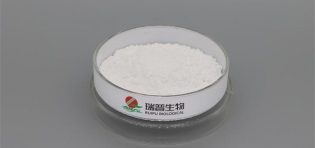
This is exactly where Ferric Phosphate steps in, and its answer truly shone during our collaborative troubleshooting. Ferric Phosphate is an insoluble iron compound that remains highly stable across a wide range of pH levels and processing temperatures. Because it does not readily dissociate in the food matrix, it avoids the free iron ions that typically cause oxidation and off-flavors. We proposed a customized application solution utilizing finely milled Ferric Phosphate. By reducing the particle size, we ensured that the iron could be evenly suspended in the liquid without settling at the bottom of the bottle, while maintaining its chemical inertness. We also recommended specific homogenization parameters to ensure the fine particles remained perfectly dispersed throughout the shelf life of the product, preventing any gritty texture that consumers might find off-putting. This approach allowed the client to achieve their target nutritional claims without triggering the lipid oxidation that had plagued their earlier prototypes.
| Iron Source | Solubility | Sensory Impact | Liquid Stability | Ideal Application |
|---|---|---|---|---|
| Ferrous Sulfate | High | Strong metallic taste | Low | Acidic dry blends |
| Ferrous Gluconate | High | Moderate metallic taste | Moderate | Liquid supplements |
| Ferric Pyrophosphate | Low | Minimal taste impact | High | Plant-based milks |
| Ferric Phosphate | Insoluble | No metallic aftertaste | Very High | Oat drinks and gummies |
The successful resolution of this beverage challenge highlights the broader application value of Ferric Phosphate across various categories. As a versatile choice among beverage ingredients, it is particularly well-suited for plant-based milks, fruit nectars, and sports nutrition drinks where flavor preservation is critical. Beyond liquids, it serves as an excellent option for health supplement raw materials, especially in solid dosage forms like chewable tablets, gummies, and powdered sachets. For instance, in the manufacturing of vitamin gummies, the high heat and moisture involved in the pectin molding process can easily degrade reactive iron salts. Ferric Phosphate withstands these harsh processing conditions effortlessly, ensuring that the final gummy retains its bright color and fruity flavor while delivering the promised nutritional benefits. Furthermore, when formulators are blending multiple functional ingredients, Ferric Phosphate acts as a team player, avoiding unwanted cross-reactions that could compromise the efficacy or taste of the final product.
Ultimately, the right choice of fortificant can make or break a new product launch. The experience with our beverage client underscores the importance of selecting the appropriate mineral source based on the specific physical and chemical environment of the formulation. Ferric Phosphate provides a robust, reliable pathway for manufacturers aiming to enrich their products with essential minerals. By prioritizing both nutritional density and sensory integrity, brands can confidently deliver high-quality fortified foods and beverages that meet modern consumer expectations. Moving forward, we remain committed to providing comprehensive technical support and high-quality nutrient raw materials to help our partners navigate the complexities of modern food science. As the industry continues to innovate, having the right technical partnerships and ingredient solutions will remain the cornerstone of successful product development.
Frequently Asked Questions
Why is iron fortification so tricky in beverage formulations?
Iron is a highly reactive mineral, which means it can easily interact with other ingredients in your liquid formula. When you use traditional iron salts, they often cause unwanted chemical reactions that lead to color changes or a really unpleasant metallic taste.
This reactivity is especially noticeable in plant-based milks or fruit drinks where the flavor profile is delicate. Manufacturers often find that their carefully crafted beverage ends up tasting like a vitamin pill, which is exactly what we want to avoid for everyday consumers.
How does Ferric Phosphate solve the metallic taste problem?
Ferric Phosphate is an insoluble iron compound that stays incredibly stable across different pH levels and processing temperatures. Because it does not readily break down into free iron ions in the liquid, it simply sits quietly in the background without triggering those nasty oxidation reactions.
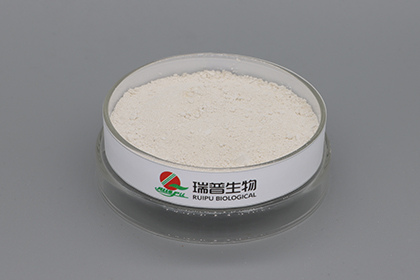
We usually recommend using a finely milled version of this ingredient so it suspends evenly without sinking to the bottom of the bottle. This allows you to hit your target nutritional claims for iron while keeping the original taste and color of your beverage completely intact.
Can I use Ferric Phosphate in solid supplements like gummies or powders?
You absolutely can, and it is actually one of the best choices for solid dosage forms that require high heat or moisture during manufacturing. Think about the pectin molding process for vitamin gummies, which involves intense heat that would normally degrade reactive iron salts and ruin the product.
Ferric Phosphate handles those harsh processing conditions effortlessly, ensuring your final gummy keeps its bright color and fruity flavor. It also works beautifully in powdered sachets and chewable tablets, acting as a reliable team player that will not cross-react with other sensitive vitamins in your blend.
What should I consider regarding the particle size when formulating liquids?
Particle size is absolutely crucial when you are adding an insoluble mineral to a liquid beverage because it directly affects the mouthfeel and stability. If the particles are too large, they will quickly settle at the bottom of the container and create a gritty texture that consumers will immediately notice.
By working with a supplier who provides finely milled Ferric Phosphate, you can achieve a smooth suspension that stays evenly distributed throughout the shelf life of the drink. You will also need to dial in your homogenization parameters, typically running the mixture between 150 and 200 bar, to ensure those fine particles remain perfectly dispersed.