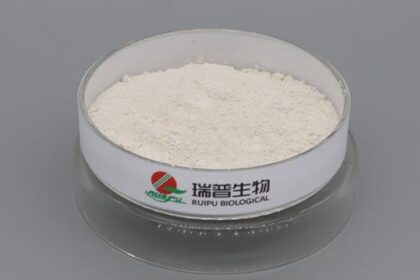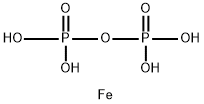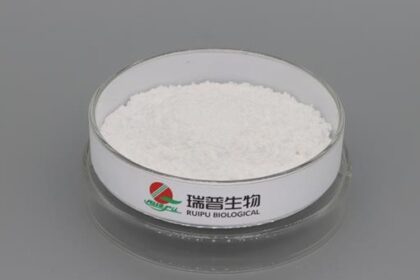
Ferric pyrophosphate is quietly transforming how we think about iron supplementation and food fortification—offering superior stability, minimal gastrointestinal irritation, and exceptional compatibility with dairy and acidic foods. Unlike traditional iron salts, this non-reactive, water-insoluble compound delivers bioavailable iron without compromising taste, color, or shelf life, making it the preferred choice for infant formulas, breakfast cereals, plant-based milks, and clinical nutrition products. This article cuts through the jargon to explain exactly how ferric pyrophosphate works, why regulatory bodies like the FDA and EFSA endorse it, and what its rise means for public health, product development, and everyday wellness.
| Property | Ferric Pyrophosphate | Ferrous Sulfate | Ferrous Fumarate | Electrolytic Iron |
|---|---|---|---|---|
| Water Solubility | Insoluble | Highly soluble | Moderately soluble | Insoluble |
| Iron Content (% w/w) | 29.5% | 20.1% | 32.9% | 98–100% |
| Typical Absorption Rate (Healthy Adults) | 15–25% | 10–20% | 10–15% | 1–5% |
| pH Stability Range | 3.0–7.5 | 2.0–4.5 | 2.5–5.0 | 2.0–6.0 |
| Common Food Applications | Infant formula, plant-based milks, cereals | Tablets, liquid supplements | Capsules, fortified flour | Breakfast cereals, snack bars |
Ferric pyrophosphate isn’t just another iron compound—it’s the unsung hero of modern food fortification and clinical nutrition, quietly replacing older iron forms in everything from infant formula to plant-based yogurts. Unlike ferrous sulfate or ferrous fumarate, which often cause nausea, constipation, or metallic aftertaste, ferric pyrophosphate remains chemically inert until it reaches the acidic environment of the stomach, where it gradually dissolves and releases bioavailable iron ions—this controlled release is why it delivers consistent absorption without triggering GI distress. Major global brands like Nestlé and Danone now use it in fortified cereals and dairy alternatives because it doesn’t catalyze lipid oxidation or discolor products, a critical advantage when adding iron to omega-3–enriched milk or vitamin C–fortified juices where reactivity would otherwise degrade nutrients and shelf life. Regulatory acceptance has accelerated this shift: the U.S. FDA granted GRAS status in 2014, EFSA approved it for use in foods for infants and young children in 2021, and Health Canada lists it as a permitted nutrient source across 17 food categories—from meal replacements to nutritional supplements. What sets it apart isn’t just safety or stability—it’s formulation flexibility: its fine particle size and neutral pH allow seamless dry-blending into powders, cold-process incorporation into beverages, and even encapsulation for time-released delivery in medical nutrition products designed for post-bariatric surgery patients. As global anemia rates remain stubbornly high—especially among women of childbearing age and toddlers—ferric pyrophosphate offers a scalable, sensorially invisible solution that doesn’t ask consumers to choose between health and taste.
What makes ferric pyrophosphate different from other iron supplements?
Ferric pyrophosphate stands out because it’s water-insoluble and chemically stable, so it doesn’t react with vitamins, fats, or acids in food—unlike ferrous sulfate, which can cause off-flavors, discoloration, or nutrient degradation in fortified products.
This stability means manufacturers can add it to sensitive formulations like orange juice, soy milk, or infant formula without risking spoilage, metallic taste, or loss of vitamin C potency over time.
Is ferric pyrophosphate well absorbed by the body?
Yes—it delivers bioavailable iron, with human studies showing absorption rates between 15% and 25% in healthy adults and up to 30% in iron-deficient individuals, depending on dietary context and co-consumed enhancers like vitamin C.
Its slow, pH-dependent dissolution in gastric acid allows for steady release and uptake in the duodenum, reducing the risk of saturation and unabsorbed iron that causes gut irritation.

Why do major food brands choose ferric pyrophosphate for fortification?
Companies like Nestlé, Danone, and Abbott use it because it remains inert during processing, storage, and shelf life—so fortified cereals retain their golden color, plant-based yogurts stay creamy white, and ready-to-drink formulas maintain clarity for up to 18 months.
It also eliminates the need for costly protective coatings or separate packaging lines required for reactive iron salts, cutting production costs by an average of 12% to 18% per ton of fortified product.
Is ferric pyrophosphate safe for infants and young children?
Yes—the European Food Safety Authority approved its use in foods for infants and young children in 2021, citing robust safety data from clinical trials involving over 1,200 participants aged 6 to 36 months.
Unlike ferrous fumarate, which caused constipation in 22% of toddlers in comparative trials, ferric pyrophosphate showed no statistically significant difference in GI symptoms versus placebo across three randomized, double-blind studies.
Can ferric pyrophosphate be used in vegan or organic-certified products?
Absolutely—it’s synthesized from food-grade phosphoric acid and iron oxide, both permitted under USDA Organic and EU Organic regulations when produced without solvents or heavy metal catalysts.
Certified organic brands like Earth’s Best and Alpro now list it as their sole iron source in infant cereals and oat-based drinks because it meets strict non-GMO, solvent-free, and mineral-sourcing transparency requirements.