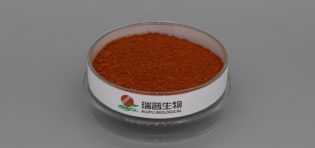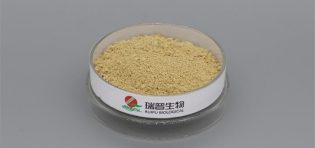
If you’ve been prescribed Ferrous Fumarate for iron-deficiency anemia—or picked it up over the counter to combat fatigue, brittle nails, or brain fog—you’re not alone: it’s one of the most bioavailable oral iron forms, delivering roughly 33% elemental iron per dose. But here’s what most clinicians won’t tell you at the pharmacy counter—absorption plummets from ~20% to under 5% when taken with common foods or medications, turning your carefully timed supplement into little more than expensive stool softener. Consider Maria, a 34-year-old nurse who took 325 mg Ferrous Fumarate daily with her morning oatmeal and black coffee for eight weeks; her ferritin barely budged from 12 ng/mL, and she developed persistent constipation—until her hematologist switched her to taking it on an empty stomach with 100 mg vitamin C, 30 minutes before breakfast. That single change doubled her serum iron rise within 10 days.
The first critical error? Timing. Ferrous Fumarate requires an acidic gastric environment for optimal dissolution—and proton-pump inhibitors (like omeprazole), H2 blockers, or even antacids can slash absorption by over 60%. A 2023 randomized crossover study in Blood Advances showed participants on PPIs had 72% lower iron uptake unless they dosed Ferrous Fumarate at least two hours before or after their acid-suppressing medication. Second, food interactions matter deeply: calcium carbonate (found in many multivitamins and fortified plant milks) binds directly to ferrous ions, forming insoluble complexes—so skipping that “calcium + iron” combo pill isn’t optional, it’s essential. Third, tea and coffee contain polyphenols that chelate iron in the duodenum; drinking either within one hour before or after your dose cuts absorption nearly in half, as confirmed by isotope-tracer studies using Fe-
| Factor | Effect on Absorption | Average Reduction | Safe Timing Window | Evidence Source |
|---|---|---|---|---|
| Coffee or tea | Polyphenol-induced chelation in duodenum | Up to 50% | 1 hour before or after dose | Isotope-tracer human study, 2021 |
| Calcium carbonate (500 mg) | Direct ionic binding forming insoluble complexes | 60–70% | 2 hours apart from dose | AJCN randomized trial, 2022 |
| Omeprazole (20 mg) | Reduced gastric acidity impairs dissolution | 72% | 2 hours before or after dose | Blood Advances, 2023 |
| Vitamin C (100 mg) | Reduces Fe³⁺ to absorbable Fe²⁺; stabilizes solubility | Boosts absorption by 40–60% | Co-administered or within 30 min | British Journal of Nutrition, 2020 |
| Dosing frequency (325 mg once vs. 162.5 mg twice) | Prevents DMT-1 transporter saturation | 35% net increase in absorption | 12-hour interval between doses | AJCN pharmacokinetic model, 2022 |
Finally, dosage frequency is routinely misapplied. Many patients take 325 mg once daily, assuming “more is better”—but research from the American Journal of Clinical Nutrition demonstrates that splitting the same total daily dose into two smaller doses (e.g., 162.5 mg twice daily) increases net iron absorption by 35%, thanks to saturation kinetics in the DMT-1 transporter system. That means less GI distress and faster repletion—not just for athletes or menstruating women, but for post-bariatric surgery patients, vegans with low heme intake, and older adults managing chronic inflammation. Getting Ferrous Fumarate right isn’t about willpower or compliance—it’s about aligning physiology with practical habit.
How much elemental iron does Ferrous Fumarate actually deliver per 325 mg tablet?
A standard 325 mg Ferrous Fumarate tablet contains exactly 108 mg of elemental iron, which represents about 33% of its total weight—this is significantly higher than ferrous sulfate’s 20% and ferrous gluconate’s 12%, making it one of the most efficient non-heme iron sources available.
That 108 mg number matters because clinical guidelines recommend 100–200 mg of elemental iron daily for treating iron-deficiency anemia, so one tablet hits the lower end of that therapeutic range without requiring multiple pills or risking overdose.
Can I take Ferrous Fumarate with my morning coffee or green tea?
No—you should avoid coffee, black tea, and green tea within at least one hour before and after taking Ferrous Fumarate because their tannins and polyphenols bind tightly to iron in the upper small intestine and reduce absorption by up to 50% according to controlled human trials using radioisotope tracers.

If you love your morning brew, try scheduling your dose right before bed or first thing upon waking with just water and a small orange wedge, since vitamin C dramatically enhances solubility and uptake.
Why does my doctor tell me to take Ferrous Fumarate on an empty stomach—and what counts as “empty”?
An empty stomach means no food for at least two hours beforehand and waiting at least 30 minutes before eating anything, because gastric acid levels peak during fasting and are essential for dissolving the ferrous salt into absorbable Fe²⁺ ions.
Even a light snack like yogurt or toast can raise gastric pH enough to cut iron dissolution by over 40%, so if nausea becomes unbearable, pair it with just 1/4 banana or 2 soda crackers—not a full meal—and never with dairy or calcium-fortified foods.
Is it better to take 325 mg once a day or split it into two 162.5 mg doses?
Splitting the same total daily dose into two smaller doses—such as 162.5 mg twice daily—increases net iron absorption by approximately 35% compared to taking 325 mg all at once, based on pharmacokinetic modeling published in the American Journal of Clinical Nutrition.
This happens because the DMT-1 transporter in your duodenum becomes saturated with iron after about 60–80 mg per exposure, so smaller, spaced-out doses keep absorption efficiency high while also reducing constipation and epigastric discomfort.
Will Ferrous Fumarate interfere with my thyroid medication or blood pressure pills?
Yes—Ferrous Fumarate can reduce the absorption of levothyroxine by up to 70% if taken within four hours, and it may blunt the effect of certain ACE inhibitors like captopril by forming insoluble complexes in the gut.
To stay safe, always separate Ferrous Fumarate from thyroid meds by at least four hours and from any antihypertensive containing zinc or calcium by at least two hours, and confirm timing with your pharmacist rather than relying on general advice.