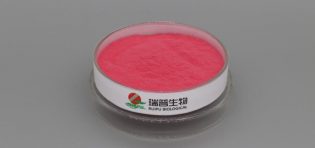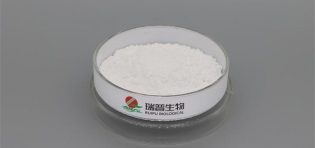
When formulating fortified foods and dietary supplements, selecting the right iron source is a critical decision that directly impacts both product quality and consumer acceptance. Iron remains one of the most highly sought-after functional ingredients in the global market, driven by widespread awareness of nutritional needs. As manufacturers look to enhance their product portfolios, they frequently encounter a common crossroads when sourcing nutrient raw materials. The two most prominent options on the table are ferrous sulfate and ferrous gluconate. While both serve the fundamental purpose of delivering essential iron, their distinct chemical properties, bioavailability profiles, and sensory impacts create very different formulation experiences. Understanding these nuances is essential for any brand looking to deliver a superior product to the health-conscious consumer.
The primary challenge formulators face lies in balancing cost, elemental iron concentration, and sensory stability. Ferrous sulfate has long been the industry standard due to its high elemental iron content and cost-effectiveness, making it an attractive option for mass-market supplement raw materials. However, this economic advantage comes with significant formulation hurdles. In liquid matrices, ferrous sulfate can easily oxidize, leading to undesirable metallic off-flavors, dark color shifts, and the degradation of sensitive vitamins like vitamin C. Furthermore, unencapsulated ferrous sulfate is notorious for causing gastrointestinal discomfort, which can severely limit consumer compliance. On the other hand, ferrous gluconate offers a much gentler profile and superior solubility, but it contains a lower percentage of elemental iron and carries a higher raw material cost. This creates a complex puzzle for research and development teams trying to optimize their beverage ingredients and solid dosage formulations without compromising on taste, stability, or budget.
To navigate this dilemma, manufacturers must align their choice of iron source with the specific physical matrix and target demographic of their product, developing tailored application solutions for each scenario. For instance, if you are developing a clear, fruit-flavored functional beverage or a liquid dietary supplement, ferrous gluconate is generally the favored choice. Its high aqueous solubility and mild sensory profile mean it will not cause the liquid to turn cloudy or impart a harsh metallic aftertaste, preserving the refreshing experience the consumer expects. Conversely, if your project involves a dry, solid dosage form like a compressed tablet or a hard gelatin capsule where pill size is a strict limitation, ferrous sulfate might be the more practical route. Because it packs more elemental iron per milligram, it allows formulators to meet high daily value targets without making the tablet uncomfortably large. In such solid applications, the sensory and stability drawbacks of sulfate can be effectively mitigated through modern microencapsulation techniques, which create a physical barrier against moisture and oxygen, or by pairing it with robust flavor-masking agents.
| Feature | Ferrous Gluconate | Ferrous Sulfate |
|---|---|---|
| Elemental Iron Content | Low (approx. 12%) | High (approx. 20% to 33%) |
| Aqueous Solubility | High | Moderate to Low |
| Sensory Profile | Mild, minimal metallic taste | Strong metallic aftertaste |
| GI Tolerability | Gentle on the stomach | Higher risk of discomfort |
| Raw Material Cost | Higher | Lower |
| Ideal Formulation | Liquids, gummies, clear drinks | Tablets, capsules, dry blends |
Choosing the appropriate iron compound extends far beyond mere regulatory compliance; it fundamentally drives the commercial success and application value of the final product. When a brand opts for ferrous gluconate in premium beverage ingredients, they are investing in a smoother consumer experience that encourages daily, long-term use. A product that tastes great and is gentle on the stomach naturally fosters brand loyalty and positive word-of-mouth, which are invaluable in the highly competitive wellness sector. Additionally, as the market increasingly shifts toward clean-label and premium positioning, the superior tolerability of gluconate often justifies its higher cost by allowing brands to command a premium price point. Alternatively, when formulators successfully utilize encapsulated ferrous sulfate in cost-effective supplement raw materials, they can offer highly potent, accessible nutrition to broader demographics. Ultimately, the strategic selection of these functional ingredients ensures that the product maintains its physical stability throughout its shelf life, preventing the premature oxidation of other active compounds and protecting the brand's reputation for quality.
In the end, the debate between ferrous gluconate and ferrous sulfate does not have a universal winner, as the ideal choice is entirely dependent on your unique formulation goals and target market. Both compounds hold a vital place in the modern landscape of nutrient raw materials, each offering distinct advantages when applied correctly. By carefully evaluating the specific requirements of your matrix, whether you are working with delicate beverage ingredients or robust solid supplements, you can make an informed decision that balances efficacy, sensory appeal, and economic viability. We always encourage product developers to collaborate closely with experienced raw material suppliers to test and validate their specific application solutions. Through rigorous prototyping and a deep understanding of ingredient interactions, your team can confidently select the optimal iron source to create a market-leading product that truly resonates with consumers.
Frequently Asked Questions
What is the main difference between ferrous gluconate and ferrous sulfate in supplement formulations?
The biggest difference really comes down to how much elemental iron they provide and how they behave in your specific product matrix. Ferrous sulfate is known for packing a high concentration of elemental iron, which makes it very cost-effective for manufacturers trying to hit high daily value targets without making pills too large.
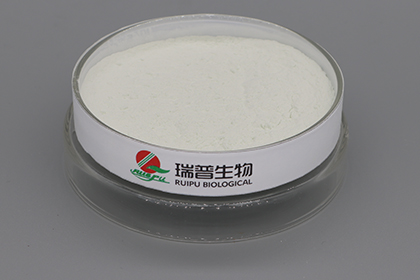
On the flip side, ferrous gluconate contains less elemental iron per milligram but offers much better solubility and a significantly milder taste profile. This makes it a fantastic choice for liquid applications or gummies where avoiding that harsh metallic aftertaste is absolutely crucial for consumer acceptance.
Which iron source is better for liquid beverages and functional drinks?
When you are working on clear beverages or functional drinks, ferrous gluconate is almost always the favored option among formulators. Because it dissolves so easily in water and remains highly stable, it will not cause your beautiful clear liquid to turn cloudy or develop an unappetizing dark color over time.
Ferrous sulfate in liquid matrices tends to oxidize quite rapidly, which can degrade other sensitive vitamins and create a very noticeable metallic flavor. By choosing gluconate for your beverage ingredients, you ensure the drink stays refreshing and visually appealing throughout its entire shelf life.
Does ferrous sulfate always cause stomach discomfort for consumers?
It is true that unencapsulated ferrous sulfate has a widespread reputation for causing gastrointestinal upset, which is a major concern for brands focused on consumer comfort. However, modern manufacturing techniques have largely solved this issue through advanced microencapsulation processes that coat the iron particles.
This protective barrier prevents the iron from interacting directly with the stomach lining too early and stops it from reacting with moisture in the formula. So, if you are formulating a solid tablet and need the high potency of sulfate, using an encapsulated version allows you to deliver powerful nutrition while keeping the product gentle on the digestive system.
How do I decide which nutrient raw material is more cost-effective for my brand?
Calculating the true cost goes far beyond just looking at the raw price per kilogram of the iron compound itself. You have to factor in the entire application solution, including any extra flavor-masking agents, encapsulation costs, or additional stabilizers you might need to add to make the formula work properly.
While ferrous sulfate is cheaper upfront, the hidden costs of fixing taste and stability issues in premium products can quickly add up and eat into your margins. Ferrous gluconate might have a higher initial price tag, but its out-of-the-box sensory benefits often save money on secondary ingredients, making it highly cost-effective for premium market positioning.