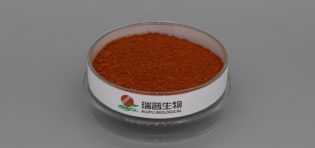
The global focus on nutritional fortification has significantly driven the demand for high-quality nutrient ingredients across the food, beverage, and dietary supplement sectors. As consumers become increasingly health-conscious and proactive about their daily wellness routines, manufacturers are actively seeking reliable ways to incorporate essential minerals into their everyday products. Iron, being a critical mineral for maintaining energy levels and overall vitality, remains a top priority for product developers worldwide. However, selecting the right iron source is no longer just about meeting basic nutritional labels or keeping raw material costs low. It is fundamentally about ensuring product stability, sensory acceptance, and long-term consumer compliance. This evolving landscape brings us to a critical industry discussion regarding the future of iron fortification and the shifting B2B preferences between traditional inorganic salts and advanced organic alternatives.
For decades, ferrous sulfate has been the standard, default choice for many manufacturers due to its low cost and high elemental iron concentration. Despite its obvious economic advantages, formulators frequently encounter significant technical and sensory hurdles when integrating it into modern recipes. In liquid applications, particularly in functional beverages, ferrous sulfate can act as a strong pro-oxidant. It accelerates the degradation of highly sensitive beverage ingredients such as vitamin C, omega-3 fatty acids, and natural botanical colorants. Furthermore, it often imparts a harsh, metallic aftertaste that is notoriously difficult to mask, even with heavy artificial flavoring. In the realm of dietary supplements and nutritional bars, high doses of inorganic iron salts are commonly associated with gastrointestinal discomfort, which can lead to poor consumer adherence and negative product reviews. These persistent formulation bottlenecks force research and development teams to look for alternative functional ingredients that can deliver nutritional benefits without compromising the final product's quality or user experience.
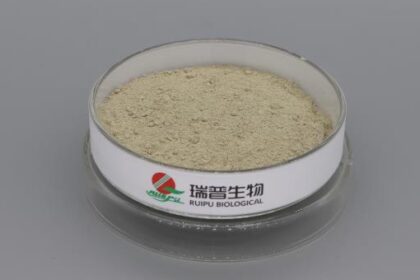
This is where organic iron salts, particularly ferrous lactate, emerge as a highly effective and sophisticated solution for modern formulation challenges. When comparing ferrous lactate to sulfate, the differences in chemical stability, sensory impact, and manufacturing handling are profound. Ferrous lactate provides a much milder, cleaner taste profile, effectively eliminating the metallic off-notes that traditionally plague iron fortification. Its significantly lower oxidation potential makes it exceptionally stable in complex liquid matrices, protecting other active compounds from premature degradation and extending shelf life. From a physiological perspective, organic iron salts are generally recognized for being much gentler on the digestive tract, reducing the likelihood of consumer discomfort. By transitioning to ferrous lactate, manufacturers can overcome the historical limitations of iron fortification, creating products that are both nutritionally robust and highly palatable, thereby satisfying the stringent demands of today's health-aware consumers.
| Feature | Ferrous Lactate | Ferrous Sulfate | Ideal Application |
|---|---|---|---|
| Taste Profile | Mild and clean | Strong metallic | Clear beverages and gummies |
| Oxidation Potential | Low and highly stable | High pro-oxidant | Vitamin C fortified drinks |
| GI Tolerability | Gentle on the stomach | May cause discomfort | Daily dietary supplements |
| Cost Efficiency | Moderate to high | Very low cost | Basic nutritional products |
The practical application value of ferrous lactate spans across diverse product categories, offering versatile application solutions for B2B clients looking to innovate. Consider the development of a clear, fruit-flavored sports drink or a plant-based milk alternative. Using ferrous sulfate in these systems would likely result in a cloudy appearance, rapid color fading, lipid oxidation, and an unpleasant metallic tang. By utilizing ferrous lactate as the primary nutrient ingredient, beverage formulators can maintain the drink's visual clarity, protect delicate plant proteins, and preserve flavor integrity while successfully delivering a meaningful dose of iron. Similarly, in the manufacturing of chewable tablets, gummy vitamins, or nutritional bars where taste and texture are paramount, ferrous lactate serves as an ideal choice among supplement raw materials. It blends seamlessly with fruit purees, natural sweeteners, and complex flavor systems, ensuring a pleasant consumer experience without the need for excessive masking agents. These practical scenarios highlight how upgrading to a premium functional ingredient can directly elevate a brand's market competitiveness.
As the food, beverage, and supplement industries continue to evolve, the criteria for selecting raw materials are decisively shifting from mere cost-efficiency to overall product excellence and holistic consumer experience. While ferrous sulfate will likely retain a place in certain basic, low-margin applications, the future of premium fortification clearly favors organic, highly compatible alternatives. Ferrous lactate stands out as a forward-thinking choice, offering superior stability, excellent sensory properties, and gentle tolerability. For manufacturers aiming to innovate and capture the discerning health-conscious market, embracing advanced application solutions and high-quality nutrient ingredients like ferrous lactate is a strategic step toward long-term commercial success. Ultimately, the ingredient choices you make today will define the quality, efficacy, and market reception of your product portfolio tomorrow.
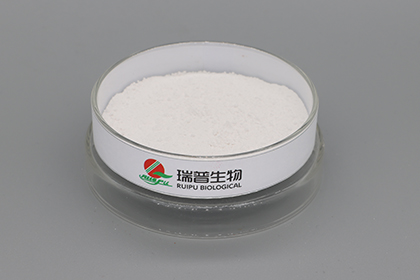
Frequently Asked Questions (FAQ)
Why are manufacturers looking for alternatives to ferrous sulfate in food and beverages?
Ferrous sulfate has been the standard for a long time because it is cheap and has a high iron content. However, it often causes a metallic aftertaste and can speed up the oxidation of other sensitive ingredients like vitamin C. This makes it really tough to use in clear drinks or products where flavor is super important.
That is why many brands are shifting toward organic options like ferrous lactate. It offers a much cleaner taste and keeps the product stable over its shelf life. Consumers simply expect better tasting and better looking products these days, so formulators have to adapt.
How does ferrous lactate improve the consumer experience in dietary supplements?
When people take iron supplements, one of the biggest complaints is usually stomach discomfort or digestive issues. Inorganic salts like sulfate can be pretty harsh on the gut, which leads to people skipping their daily doses.
Ferrous lactate is generally much gentler on the digestive system while still providing excellent bioavailability. This means consumers can stick to their wellness routines without dealing with unpleasant side effects. It makes a huge difference in long term compliance and overall satisfaction with the supplement.
What types of products benefit the most from using ferrous lactate instead of sulfate?
Liquid applications like functional beverages, sports drinks, and plant based milks see the biggest improvements when switching to ferrous lactate. In these liquids, sulfate can cause cloudiness, color fading, and lipid oxidation, which ruins the visual appeal and taste.
Chewable tablets, gummy vitamins, and nutritional bars also benefit greatly because taste and texture are absolutely critical in those formats. You cannot easily hide a strong metallic flavor in a gummy or a chew, so using a milder iron source ensures the product actually tastes good.