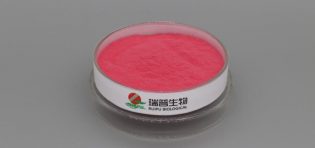
The global market for fortified foods and dietary supplements continues to expand as consumers increasingly prioritize proactive health management and nutritional optimization. Within this dynamic landscape, iron fortification remains a critical focus for product developers aiming to address widespread dietary gaps. As manufacturers seek high-quality nutrient raw materials to meet these evolving demands, the selection of the appropriate iron source becomes a foundational decision that impacts the entire product lifecycle. Iron is an essential functional ingredient, but its integration into complex food and beverage matrices requires careful consideration of bioavailability, sensory impact, and consumer tolerance. Understanding the nuanced differences between various iron salts is essential for creating successful, market-ready products that resonate with modern health-conscious consumers.
Product formulators frequently encounter a significant hurdle when selecting between ferrous sulfate and ferrous gluconate, as each presents a distinct set of advantages and formulation challenges. Ferrous sulfate has long been an industry standard due to its high elemental iron content and cost-effectiveness, making it a common choice for basic dietary supplement raw materials. However, it introduces notable complications during production. In liquid applications, ferrous sulfate can catalyze lipid oxidation and degrade sensitive vitamins, leading to off-flavors and color degradation. It often imparts a strong metallic taste that compromises the sensory profile of beverage ingredients, requiring heavy use of masking agents. Furthermore, high doses of unencapsulated ferrous sulfate are frequently associated with gastrointestinal discomfort, which can negatively impact long-term consumer compliance. On the other hand, while ferrous gluconate offers a much milder sensory profile and better gastrointestinal tolerance, it contains a significantly lower percentage of elemental iron. This lower concentration requires higher inclusion rates to achieve the same nutritional label claims, potentially increasing raw material costs and affecting the physical properties of the final product.
To navigate these complex trade-offs, manufacturers must adopt targeted application solutions based on the specific product format, matrix composition, and target demographic. For clear or lightly flavored liquid beverages, ferrous gluconate is generally a highly suitable choice. Its excellent solubility and minimal impact on the flavor profile allow formulators to create palatable, iron-fortified waters or juice drinks without relying on excessive sweeteners or artificial flavors. For instance, a sports nutrition brand developing a clear hydration drink would benefit from ferrous gluconate to maintain the beverage's crisp taste and visual clarity over its shelf life. Conversely, ferrous sulfate remains highly relevant in solid dosage forms, such as compressed tablets or capsules, where the metallic taste is effectively masked by a film coating, and a high elemental iron yield is required to keep the pill size manageable for the consumer. In scenarios where a manufacturer wants to utilize ferrous sulfate in a sensitive food matrix, such as plant-based milk alternatives or nutritional bars, employing microencapsulation technologies is a practical strategy. This approach shields the reactive iron from interacting with other ingredients, thereby preserving the product's taste and stability while mitigating potential gastrointestinal side effects.
| Feature | Ferrous Gluconate | Ferrous Sulfate | Best Application |
|---|---|---|---|
| Elemental Iron Content | Low (approx. 12%) | High (approx. 20-30%) | Sulfate for high-dose tablets |
| Taste Profile | Mild, minimal metallic flavor | Strong metallic aftertaste | Gluconate for liquid beverages |
| Gastrointestinal Tolerance | High, gentle on digestion | Lower, may cause discomfort | Gluconate for sensitive consumers |
| Cost Effectiveness | Higher cost per mg of iron | Highly cost-effective | Sulfate for budget formulations |
Selecting the optimal iron source extends far beyond mere regulatory compliance; it directly influences product performance, manufacturing efficiency, and overall brand reputation. By matching the specific iron salt to the appropriate delivery format, companies can ensure a stable shelf life and a superior consumer experience. Utilizing ferrous gluconate in premium beverage lines positions the product as a high-quality, easily digestible option, appealing to demographics with sensitive digestive systems. Meanwhile, strategically using encapsulated ferrous sulfate in cost-sensitive, high-potency supplement lines allows brands to maintain competitive pricing without sacrificing nutritional efficacy. Furthermore, understanding these material behaviors helps production teams optimize their processing parameters, reducing waste and minimizing unexpected quality deviations during large-scale manufacturing runs.
The comparison between ferrous gluconate and ferrous sulfate does not yield a single universal answer; rather, the ideal choice depends entirely on the specific application parameters and commercial goals. By thoroughly evaluating the food matrix, target audience, and desired sensory outcomes, food and supplement manufacturers can make informed, strategic decisions. Whether formulating a refreshing fortified beverage or a potent daily supplement, aligning the right functional ingredient with the correct technological approach is the key to developing successful, consumer-approved nutritional products in a competitive marketplace.
Frequently Asked Questions
What is the main difference between ferrous gluconate and ferrous sulfate in food fortification?
The primary distinction lies in their elemental iron content and how they interact with different food matrices. Ferrous sulfate typically offers a higher concentration of elemental iron, making it a cost-effective choice for many standard supplements.
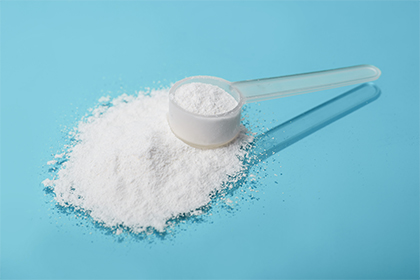
On the flip side, ferrous gluconate is much gentler on the stomach and has a significantly milder taste, which makes it incredibly useful for liquid beverages where metallic flavors can easily ruin the consumer experience.
Why would a beverage manufacturer choose ferrous gluconate over ferrous sulfate?
Beverage formulators often lean toward ferrous gluconate because it dissolves easily without causing the harsh metallic aftertaste that consumers strongly dislike in drinks. This allows product developers to create clean-tasting, fortified waters or juices without needing excessive amounts of sugar or artificial flavor maskers.
Additionally, it tends to cause fewer gastrointestinal issues, which is a massive selling point for daily wellness drinks aimed at health-conscious individuals who might have sensitive digestive systems.
Can ferrous sulfate still be used effectively in modern dietary supplements?
Absolutely, ferrous sulfate remains a highly relevant and widely used ingredient, especially in solid dosage formats like tablets and capsules. Since the pill is swallowed whole or coated, the metallic taste is completely bypassed, allowing manufacturers to deliver a high dose of elemental iron in a relatively small physical size.
For food applications where taste and oxidation are concerns, suppliers often use microencapsulation techniques to protect the ferrous sulfate, ensuring it stays stable and does not degrade sensitive vitamins or alter the flavor profile of the final product.
How does the choice of iron source impact the overall cost of production?
The cost implications vary significantly depending on the specific iron salt and the required nutritional label claims. Most daily supplements aim for a range of 15 to 30 milligrams of elemental iron, and hitting this target is generally much cheaper with sulfate because of its higher elemental yield.
Conversely, ferrous gluconate contains less elemental iron by weight, meaning you have to use larger quantities to reach that same 15 to 30 milligram range, which can increase the overall ingredient cost and sometimes affect the physical texture or volume of the final product.