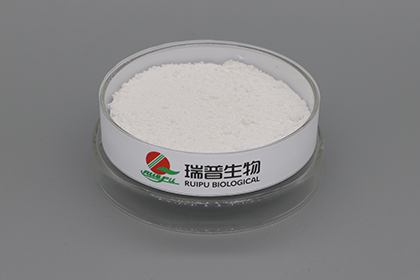
The global market for fortified foods and dietary supplements continues to expand as consumers increasingly seek proactive ways to support their daily nutritional intake. Within this evolving landscape, iron remains one of the most sought-after minerals, driving significant demand for high-quality nutrient raw materials across the food and supplement sectors. When product developers begin formulating iron-fortified products, they are frequently confronted with a critical decision regarding the specific chemical form of iron to utilize. The two most prominent options in the industry are ferrous sulfate and ferrous lactate, each presenting unique characteristics that can profoundly influence the final product's quality and consumer acceptance. Understanding the nuanced differences between these two compounds is essential for brands aiming to deliver effective and palatable nutritional products to a discerning market.
Despite the widespread need for iron fortification, formulators consistently encounter significant technical hurdles when integrating these minerals into complex matrices. Ferrous sulfate, while highly cost-effective, is notorious for its high chemical reactivity. When introduced into liquid systems or moisture-rich environments, it readily catalyzes lipid oxidation and interacts with sensitive compounds, often resulting in undesirable metallic off-flavors, dark color shifts, and the degradation of essential vitamins. This reactivity poses a severe challenge for manufacturers developing clear drinks or delicate chewable formats where organoleptic properties are paramount. Consumers are highly sensitive to metallic aftertastes and visual discoloration, meaning a poorly stabilized iron source can quickly lead to product rejection. Consequently, finding a stable, neutral-tasting iron source that does not compromise the sensory profile remains a persistent pain point for research teams.
To overcome these formulation barriers, many forward-thinking manufacturers are shifting their focus toward milder, more stable alternatives like ferrous lactate. While ferrous sulfate might still hold a place in basic, low-moisture tablet applications where cost is the sole driving factor, ferrous lactate offers a remarkably superior profile for modern, consumer-centric products. Ferrous lactate is characterized by its gentle interaction with surrounding ingredients, significantly reducing the risk of oxidative degradation and preserving the intended flavor and color of the product. By selecting this specialized form, formulators can effectively bypass the sensory defects traditionally associated with iron fortification. Furthermore, suppliers of premium health supplement raw materials often provide tailored application solutions that help integrate ferrous lactate seamlessly into diverse delivery formats, ensuring optimal dispersion and stability throughout the product's shelf life.
| Characteristic | Ferrous Lactate | Ferrous Sulfate |
|---|---|---|
| Chemical Stability | High | Low |
| Taste Profile | Mild and neutral | Strong metallic aftertaste |
| Color Impact in Liquids | Minimal discoloration | Causes dark color shifts |
| Cost Effectiveness | Moderate to high cost | Highly cost-effective |
| Ideal Application Formats | Clear beverages and gummies | Basic dry tablets |
| Lipid Oxidation Risk | Low reactivity | High catalytic reactivity |
| Clean Label Suitability | Excellent | Poor due to masking needs |
The practical value of ferrous lactate becomes exceptionally evident when examining specific B2B application scenarios, particularly within the beverage and functional gummy sectors. For instance, when developing a fortified botanical water or a clear sports drink, utilizing ferrous lactate as one of the primary beverage ingredients ensures that the liquid remains visually pristine and free from the murky tint that ferrous sulfate typically induces. The mild taste profile of the lactate salt means that formulators do not need to overload the recipe with heavy masking agents, thereby supporting cleaner label claims. Similarly, in the realm of chewable tablets and functional gummies, the absence of a harsh metallic bite is crucial for consumer compliance. As a highly versatile functional ingredient, ferrous lactate empowers product developers to innovate across multiple categories, confidently delivering a pleasant sensory experience.
Ultimately, the choice between ferrous lactate and ferrous sulfate is not merely a matter of comparing raw material costs, but rather a strategic decision that impacts the overall integrity and market success of the final product. While sulfate may suffice for rudimentary applications with heavy flavor masking, ferrous lactate stands out as the preferred choice for premium, sensory-driven formulations that demand stability, visual clarity, and a clean taste. As the industry continues to prioritize consumer experience and clean-label transparency, investing in high-quality, low-reactivity iron sources will undoubtedly remain a key differentiator for competitive brands. By carefully evaluating the specific matrix and desired sensory outcomes, manufacturers can select the most appropriate iron source to elevate their product offerings and meet the sophisticated demands of today's health-conscious consumers.
Frequently Asked Questions (FAQ)
Why do formulators often struggle when using ferrous sulfate in liquid products?
Ferrous sulfate is highly reactive, which means it can easily cause lipid oxidation and interact with other sensitive ingredients in a liquid matrix. This reactivity often leads to undesirable metallic off-flavors and dark color shifts that consumers find very unappealing.
To make matters worse, it can also degrade essential vitamins present in the formulation. Because of these issues, product developers usually have to add heavy masking agents to hide the bad taste, which goes against the growing demand for clean-label products.
What makes ferrous lactate a better choice for clear beverages and gummies?
Ferrous lactate is much milder and more stable compared to sulfate, meaning it will not trigger those harsh oxidative reactions that ruin a drink's appearance or taste. When you use it in clear botanical waters or sports drinks, the liquid stays visually pristine without turning murky or dark.
In chewable formats like gummies, the absence of a strong metallic bite is absolutely crucial for getting consumers to actually enjoy taking their daily supplements. This gentle profile allows brands to create great-tasting products without needing to overload the recipe with artificial flavors or excessive sweeteners.
Is ferrous sulfate completely useless in modern supplement manufacturing?
It is not entirely useless, but its application is mostly limited to basic, low-moisture formats like simple hard tablets where cost is the absolute primary concern. In these dry environments, the reactivity of the sulfate is less of an issue, and the metallic taste can be somewhat avoided since the tablet is swallowed whole.
However, for any premium, sensory-driven, or innovative delivery format, relying on sulfate can severely limit your product's market appeal. Most forward-thinking brands are moving away from it in favor of more stable alternatives to ensure a better overall consumer experience.