The global food and beverage industry is currently experiencing a significant shift toward functional fortification, driven by an increasing consumer demand for products that actively support daily nutritional needs and overall well-being. Iron deficiency remains a widespread public health concern across various demographics, prompting food scientists and manufacturers to seek effective, scalable fortification strategies. As a result, the careful selection of appropriate nutrient raw materials has become a critical focal point for research and development teams operating across the nutritional sector. Historically, iron fortification relied heavily on traditional, highly cost-effective inorganic sources, but evolving consumer preferences, cleaner label trends, and advanced manufacturing requirements are now fundamentally reshaping the landscape of ingredient selection. Today, brands are not just looking for basic nutritional compliance; they are seeking ingredients that enhance product quality and consumer satisfaction.
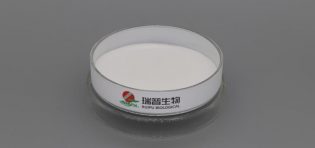
While ferrous sulfate has undeniably been the industry standard for decades due to its low procurement cost and high elemental iron concentration, it presents several notable formulation and sensory challenges that hinder modern product innovation. When utilized in complex beverage ingredients or liquid nutritional products, ferrous sulfate is highly reactive and can easily catalyze the oxidation of sensitive lipids, antioxidants, and vitamins. This chemical reactivity often leads to undesirable color changes, premature sedimentation, and a pronounced metallic off-taste that severely compromises the sensory profile of the final product. Furthermore, from a direct consumer experience perspective, traditional sulfate forms are frequently associated with gastrointestinal discomfort and nausea, which can significantly limit daily compliance in dietary routines. These technical, sensory, and physiological hurdles create a pressing need for more stable, gentle, and consumer-friendly alternatives in contemporary product development pipelines.
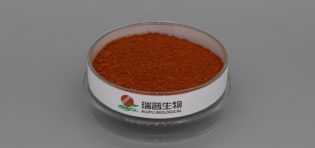
To effectively address these persistent formulation and tolerance issues, many forward-thinking manufacturers are strategically transitioning toward organic iron salts, with ferrous lactate emerging as a highly viable, stable, and versatile option. Ferrous lactate offers a remarkably milder sensory profile, effectively eliminating the harsh metallic aftertaste that routinely plagues traditional sulfate variants in liquid and semi-liquid matrices. Chemically, it exhibits superior stability in aqueous environments, making it an exceptionally reliable source of functional ingredients for complex liquid applications where oxidation, flavor degradation, and precipitation are primary concerns. By integrating this advanced nutrient source into their formulation pipelines, food scientists can overcome the historical limitations of iron fortification without sacrificing the bioavailability required for meaningful nutritional support. This transition represents a strategic, long-term upgrade in how premium supplement raw materials are sourced, evaluated, and utilized in next-generation health and wellness products.
| Feature | Ferrous Lactate | Ferrous Sulfate | Ideal Application |
|---|---|---|---|
| Sensory Profile | Mild, no metallic taste | Strong metallic aftertaste | Clear beverages, gummies |
| Chemical Stability | High in aqueous solutions | Low, promotes oxidation | Liquid supplements, sports drinks |
| Gastrointestinal Tolerance | Gentle, high compliance | Often causes discomfort | Premium daily wellness products |
| Cost Effectiveness | Moderate to high cost | Very low cost | Dry cereals, flour fortification |
The practical application value of ferrous lactate is particularly evident and highly impactful in the development of clear functional beverages, plant-based dairy alternatives, and specialized daily nutritional supplements. For instance, when formulating a fortified sports drink, a clear functional water, or a ready-to-drink protein shake, maintaining visual clarity, suspension stability, and a clean flavor profile is absolutely essential for commercial market success. Ferrous lactate dissolves cleanly and interacts minimally with other active botanical or vitamin compounds, allowing beverage manufacturers to deliver a refreshing, visually appealing product that consistently meets high consumer expectations. In the specialized realm of dietary supplements, it serves as a premium supplement raw material that supports much better gastrointestinal tolerance, thereby enhancing the overall daily consumer experience and encouraging long-term brand loyalty. By leveraging these tailored, science-backed application solutions, B2B clients can effectively differentiate their product lines in a highly competitive market, offering functional benefits that align seamlessly with modern, health-conscious lifestyle demands.
Looking ahead to the next decade of nutritional innovation, the trajectory of the global ingredient market strongly suggests a continued, steady shift toward high-stability, well-tolerated, and sensorially neutral fortification sources. While ferrous sulfate will likely retain a baseline presence in certain cost-sensitive, dry-format applications like basic cereals or flour blending, ferrous lactate is exceptionally well-positioned to capture and dominate the growing premium segments of the beverage, functional food, and dietary supplement industries. By proactively prioritizing sensory quality, chemical stability, and consumer comfort, manufacturers can build more resilient, appealing, and future-proof product portfolios. Ultimately, the future of iron fortification will be defined by advanced ingredients that harmonize nutritional efficacy with superior formulation performance, ensuring sustainable, long-term success in an increasingly discerning and quality-driven global marketplace.
Why are manufacturers moving away from traditional iron sources like sulfate?
Well, a lot of food and beverage brands are actually stepping away from traditional sulfate options because they can cause some pretty noticeable issues in modern formulations. When you use it in liquid products or complex beverages, it tends to react with other ingredients, which can lead to weird color changes or a really strong metallic aftertaste that consumers just do not like.

On top of the formulation headaches, many people also report experiencing stomach discomfort when taking supplements with this older form of iron. Because of these sensory and tolerance challenges, companies are actively hunting for smoother, more stable nutrient raw materials that keep their products tasting great and feeling gentle on the digestive system.
How does ferrous lactate improve the taste and stability of fortified drinks?
Ferrous lactate is basically a game changer for drink formulators because it has a much milder profile compared to its traditional counterparts. It dissolves really cleanly in water and does not trigger the same harsh oxidation reactions, meaning your functional beverages stay visually clear and keep their intended flavor profile intact over a shelf life of 12 to 18 months.
This stability is exactly what you need when you are blending multiple functional ingredients into a single ready-to-drink product. It allows the natural flavors, vitamins, and botanical extracts to shine through without being overpowered by a metallic tang, making it a highly reliable choice for premium beverage applications.
Will ferrous sulfate completely disappear from the supplement market?
It is highly unlikely that it will vanish completely anytime soon, simply because it still holds a massive advantage when it comes to raw material costs and high elemental iron concentration. You will probably continue to see it used heavily in dry, cost-sensitive formats like basic breakfast cereals, flour blending, or standard multivitamin tablets where liquid stability and immediate taste are not the primary concerns.
However, its market share is definitely expected to shrink in the premium and liquid segments as consumer expectations continue to rise. Brands focusing on high-end sports nutrition, clear functional waters, and gentle daily wellness supplements are rapidly adopting advanced alternatives to ensure better bioavailability and a much more pleasant daily user experience.
What should B2B clients consider when choosing an iron source for their new product line?
When you are planning a new product launch, the very first thing you need to evaluate is the physical format and the specific sensory goals of your final application. If you are developing a clear liquid beverage or a gummy supplement where taste and visual appeal are absolutely critical, investing in a highly stable, sensorially neutral ingredient is going to save you a lot of reformulation headaches down the road.
You also have to think about your target demographic and how they will tolerate the product on a daily basis. Choosing a gentler, highly bioavailable option might cost a bit more upfront, but it drastically improves consumer compliance and long-term brand loyalty, which ultimately drives better commercial success in the competitive health and wellness space.