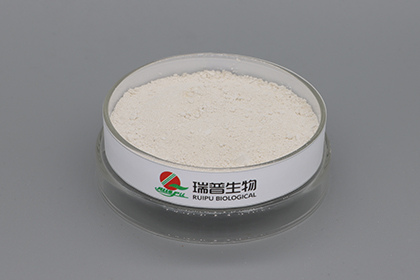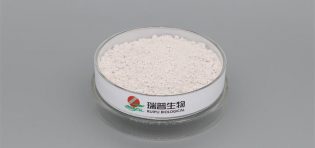
In the rapidly evolving landscape of nutritional fortification, manufacturers are constantly seeking reliable nutrient raw materials to meet consumer demands for healthier products. Among the various options available, Calcium Gluconate stands out as a highly versatile compound widely utilized across the food, beverage, and dietary supplement sectors. Its favorable bioavailability and relatively mild sensory profile make it a preferred choice for product developers. However, integrating this mineral into complex formulations is not always straightforward. As the market for fortified products expands, understanding the technical nuances of handling this specific calcium source becomes essential for creating successful commercial products.
Despite its advantages, formulators often encounter several technical hurdles when working with Calcium Gluconate. The primary challenges revolve around solubility limits, potential interactions with other functional ingredients, and maintaining a clean sensory profile. For instance, when used as one of the key beverage ingredients in clear or acidic drinks, improper handling can lead to precipitation or cloudiness. Similarly, in the realm of health supplement raw materials, achieving a high dosage without compromising the taste or texture of the final product requires careful balancing. These formulation roadblocks can delay product launches and increase research and development costs if not addressed with precise application solutions.
To overcome these formulation challenges, product developers can implement three practical strategies to optimize the use of Calcium Gluconate in their manufacturing processes. The first tip focuses on optimizing solubility and dispersion through precise temperature and pH management. Calcium Gluconate exhibits better solubility in warm water compared to cold water, which is a critical factor during the initial mixing phases. For example, when developing a fortified sports drink, pre-dissolving the calcium source in a warm water slurry before blending it with the rest of the cold liquid ensures a homogenous mixture. Additionally, maintaining the pH within an optimal range prevents the calcium from reacting prematurely with acidic components, thereby avoiding unwanted sedimentation at the bottom of the bottle.
The second tip involves proactively managing the sensory profile to ensure consumer acceptance. While Calcium Gluconate is milder than some other calcium salts, high concentrations can still impart a slight chalky mouthfeel or subtle bitterness. To counteract this, formulators should pair the mineral with complementary flavor systems or texturizers. In the production of plant-based milk alternatives, incorporating natural hydrocolloids or specific emulsifiers can effectively mask any grainy textures. Furthermore, utilizing citrus or berry flavor profiles in chewable supplements can naturally distract the palate from any underlying mineral notes, resulting in a much more enjoyable consumer experience.
| Application Area | Key Challenge | Formulation Tip | Expected Benefit |
|---|---|---|---|
| Clear Beverages | Precipitation and cloudiness | Pre-dissolve in warm water and control pH | Homogenous mixture and visual clarity |
| Plant-Based Milks | Chalky mouthfeel and grainy texture | Use natural hydrocolloids and emulsifiers | Smooth texture and improved sensory profile |
| Protein Shakes | Protein coagulation and instability | Stagger ingredient addition and use stabilizers | Extended shelf life and consistent quality |
| Chewable Supplements | Bitter or mineral aftertaste | Pair with citrus or berry flavor systems | High consumer acceptance and pleasant taste |
The third tip is dedicated to ensuring long-term stability and preventing cross-interactions with other nutrients. In complex matrices, calcium can compete with other minerals for absorption, and it can also cause protein coagulation in dairy or plant-based shakes. To mitigate this, manufacturers should consider microencapsulation techniques or stagger the addition of sensitive functional ingredients during the production line process. For instance, in a high-protein nutritional shake, adding the Calcium Gluconate after the protein hydration phase and utilizing stabilizing agents helps maintain a smooth consistency and extends the shelf life of the product without compromising its nutritional integrity.
Mastering these three technical tips provides significant value to B2B clients in the food and nutrition industry. By optimizing solubility, managing sensory attributes, and ensuring physical stability, manufacturers can streamline their production workflows and reduce batch failures. This technical proficiency allows brands to confidently scale up their application solutions from the pilot plant to full-scale commercial manufacturing. Ultimately, delivering a stable, great-tasting, and nutritionally robust product enhances brand reputation and meets the rigorous expectations of today's health-conscious consumers.
In conclusion, while Calcium Gluconate is an excellent source of mineral fortification, its successful integration requires a thoughtful and scientific approach. By paying close attention to hydration dynamics, sensory masking, and ingredient compatibility, formulators can unlock the full potential of this versatile compound. As the industry continues to innovate, leveraging these practical insights will empower manufacturers to develop superior beverages and supplements that stand out in a competitive marketplace.

Frequently Asked Questions (FAQ)
Why is Calcium Gluconate preferred over other calcium sources in beverage formulations?
Calcium Gluconate is often favored because it offers a much milder taste profile compared to other salts like calcium carbonate. This means it does not easily overpower the delicate flavors of fruit juices or sports drinks.
Additionally, it provides excellent bioavailability, which is a major selling point for health-conscious consumers looking for effective nutrient raw materials. This makes it an ideal choice for creating clean and refreshing beverage ingredients.
What is the best way to prevent precipitation when adding this mineral to acidic drinks?
The most effective approach is to pre-dissolve the Calcium Gluconate in warm water before introducing it to the cold or acidic beverage base. You should also carefully monitor the pH levels during the blending process to ensure the mineral remains fully soluble.
Taking these extra steps during the initial mixing phase will help you avoid unwanted cloudiness or sediment at the bottom of the bottle. This careful handling guarantees a visually appealing product that maintains its quality throughout its shelf life.
How can formulators mask the slight chalky mouthfeel in high-dosage supplements?
Product developers can easily manage this texture issue by incorporating natural hydrocolloids or specific emulsifiers into their application solutions. Pairing the mineral with robust flavor systems, such as citrus or berry profiles, also helps distract the palate from any underlying grainy notes.
This strategy ensures that your final dietary supplements maintain a smooth and enjoyable consumer experience. By focusing on these sensory details, brands can deliver high-quality functional ingredients without compromising on taste.
Are there any specific storage requirements for bulk Calcium Gluconate powder?
You should always store the bulk powder in a cool, dry environment away from direct sunlight to maintain its physical stability. Keeping the humidity levels low is crucial because excess moisture can cause the powder to clump and degrade over time.
Proper storage ensures that your health supplement raw materials remain highly effective and easy to handle during large-scale manufacturing. Maintaining these optimal conditions will ultimately save your production team time and reduce material waste.