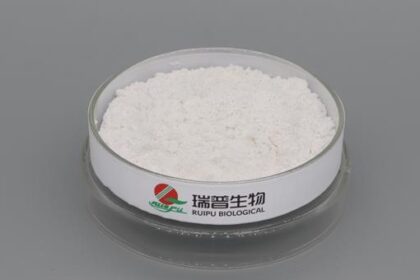
Despite its advantages, product developers frequently encounter formulation hurdles when working with Zinc Lactate. When utilized as beverage ingredients, it can sometimes precipitate if the pH is not carefully controlled during processing and storage. In solid dosage forms, it might interact with other supplement raw materials, potentially affecting the overall stability, dissolution rate, and uniformity of the final product. These technical bottlenecks can lead to inconsistent product quality, shortened shelf life, and increased production costs if not addressed proactively through rigorous testing and strategic formulation design.
The first essential tip is to meticulously optimize the pH and solubility profiles of your liquid formulations. Zinc Lactate exhibits specific solubility behaviors that are highly dependent on the acidity of the medium. If the pH drops too low or fluctuates during processing, the zinc ions may interact with other compounds and form insoluble complexes. To prevent this, formulators should utilize appropriate buffering systems to maintain a stable pH range, typically between 4.0 and 6.0 for many functional beverages. For instance, when developing a fortified sports drink, a beverage manufacturer successfully used a citrate buffer system to keep the Zinc Lactate fully dissolved, ensuring a clear appearance and consistent mineral delivery throughout the product's shelf life without altering the intended flavor profile.
The second tip focuses on managing ingredient interactions and preventing unwanted chelation. In complex matrices, especially those utilizing various supplement raw materials, zinc ions can easily bind with phytates, polyphenols, or certain proteins, which reduces their availability and alters the product's texture. The practical approach here is to sequence the addition of ingredients carefully during the manufacturing process and consider the use of competitive ligands or specialized processing techniques. A practical scenario involves a plant-based protein shake where the natural phytates in pea protein threatened to bind the zinc. By pre-hydrating the Zinc Lactate and introducing it after the protein hydration phase, alongside a minor adjustment in the processing temperature, the development team maintained the functional integrity of the mineral without compromising the smooth mouthfeel of the shake.
The third tip involves implementing advanced flavor masking and stabilization techniques to enhance consumer acceptance. While Zinc Lactate is milder than zinc sulfate, it can still impart a slight metallic or astringent aftertaste at higher concentrations. Rather than simply adding excessive sugars, modern application solutions rely on natural flavor modulators and specific hydrocolloids to round out the flavor profile. For example, a nutritional bar manufacturer faced a metallic aftertaste issue when fortifying their oat-based snacks. By incorporating a blend of natural citrus extracts and a touch of maltodextrin, they effectively masked the astringency. This approach not only improved the sensory experience but also helped stabilize the moisture migration within the bar, proving that smart formulation elevates both taste and physical stability.
| Application Type | Common Challenge | Root Cause | Formulation Strategy |
|---|---|---|---|
| Liquid Beverages | Precipitation | Uncontrolled pH levels | Use buffer systems to maintain pH 4.0-6.0 |
| Solid Dosage Forms | Reduced Bioavailability | Chelation with phytates or proteins | Sequence ingredient addition carefully |
| Nutritional Bars | Metallic Aftertaste | High zinc concentration | Add natural citrus extracts and hydrocolloids |
| Protein Shakes | Texture Alteration | Zinc-protein interactions | Pre-hydrate Zinc Lactate before mixing |
Mastering these formulation strategies provides immense application value for B2B clients in the food, beverage, and dietary supplement sectors. By treating Zinc Lactate not just as a simple additive but as a dynamic component, manufacturers can create superior application solutions that stand out in a competitive market. This proactive approach minimizes production downtime, reduces the risk of batch failures, and ensures that the final product consistently meets rigorous quality standards. Ultimately, it allows brands to deliver reliable, high-quality nutritional products that align with modern consumer expectations for both sensory enjoyment and consistent nutritional content.
In conclusion, successfully incorporating Zinc Lactate into your product lineup requires more than just selecting premium nutrient raw materials; it demands a strategic approach to formulation science. By optimizing pH levels, managing complex ingredient interactions, and employing smart flavor stabilization techniques, developers can overcome common technical barriers. As the industry continues to innovate, leveraging these targeted strategies will remain crucial for creating effective, stable, and highly appealing nutritional products that resonate with today's health-conscious consumers and drive long-term brand success.
Frequently Asked Questions (FAQ)
Why does Zinc Lactate sometimes precipitate in beverage formulations?
Precipitation usually happens when the pH level is not carefully controlled during the processing and storage phases. Zinc Lactate has specific solubility behaviors that depend heavily on the acidity of the liquid medium.
To prevent this issue, formulators need to use appropriate buffering systems to maintain a stable pH range. Keeping the environment balanced ensures the zinc remains fully dissolved and delivers consistent nutritional value without altering the drink's appearance.
How does Zinc Lactate interact with other supplement raw materials in solid dosage forms?
In complex solid matrices, zinc ions can easily bind with other compounds like phytates, polyphenols, or certain proteins. This unwanted chelation can significantly reduce the mineral's availability and alter the physical texture of the final product.
Managing these interactions requires careful sequencing of ingredient addition during the manufacturing process. Developers often use competitive ligands or adjust processing temperatures to maintain the functional integrity of the zinc without compromising the overall stability and dissolution rate.
What are the best ways to mask the metallic aftertaste of Zinc Lactate in nutritional products?
While Zinc Lactate is generally milder than other zinc salts, it can still impart a slight metallic or astringent aftertaste at higher concentrations. Simply adding excessive sugars is not the most effective or health-conscious solution for modern consumers.
Modern application solutions rely on natural flavor modulators, specific hydrocolloids, and citrus extracts to round out the flavor profile. These smart formulation techniques not only improve the sensory experience but also help stabilize moisture migration in products like nutritional bars.