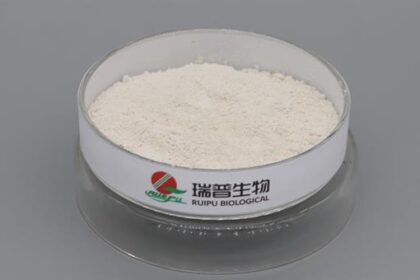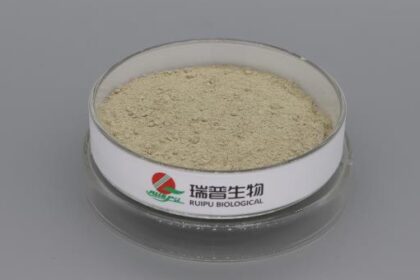
The modern functional food and beverage market is increasingly focused on addressing micronutrient deficiencies, with iron fortification remaining a top priority for global health brands. As a manufacturer specializing in nutrient raw materials, we constantly evaluate different iron sources to provide the best options for our B2B partners. Ferric Sodium Edetate is often celebrated in the industry for its high bioavailability and lower reactivity compared to traditional ferrous salts. It is widely considered an excellent choice for fortifying complex matrices without causing severe oxidative degradation. However, theoretical stability often differs from practical manufacturing realities. When our R&D team was tasked with developing a new line of fortified beverage ingredients and health supplement raw materials using this specific compound, we quickly discovered that integrating it seamlessly into diverse formulations requires far more than just following standard specification sheets.
Over the course of two months, our pilot plant experienced significant setbacks, ultimately botching six distinct production batches. The first two batches were intended for a high-acid, vitamin-C-rich sports drink. Despite the theoretical stability of the chelated iron, we observed unexpected micro-precipitation and a slight color shift after just two weeks of accelerated shelf-life testing. The issue stemmed from a sudden drop in pH that compromised the chelate structure, releasing free iron ions that reacted with the ascorbic acid. Batches three and four involved a plant-based protein shake. Here, the challenge was entirely sensory. The functional ingredients interacted with the pea protein matrix, resulting in an unmaskable metallic off-taste and a gritty mouthfeel that would be unacceptable to end consumers. Finally, batches five and six focused on a clear, lightly flavored hydration water. Even at low concentrations, the iron catalyzed the oxidation of delicate natural botanical extracts, turning the clear liquid into an unappealing murky brown. These failures highlighted a critical gap in our initial approach, proving that simply adding a high-quality iron source to a formula is insufficient without a deeply customized approach to the surrounding matrix.
To resolve these issues, we had to rethink our application solutions from the ground up, focusing on the specific chemical environment of each product. For the high-acid sports drink, we introduced a specialized citrate-based buffering system to maintain the pH strictly between 3.5 and 4.0, which stabilized the chelate ring and prevented the premature release of iron ions. We also adjusted the manufacturing sequence, adding the iron source at the very last stage of mixing under strict temperature controls to minimize thermal degradation. For the plant-based protein shake, the solution involved utilizing a micro-encapsulation technique for the iron powder before blending it with the protein base. This physical barrier successfully prevented the iron from interacting with the sulfur-containing amino acids in the pea protein, entirely eliminating the metallic taste and gritty texture. In the clear hydration water, we replaced the vulnerable botanical extracts with highly stable, oxidation-resistant flavor compounds and introduced a trace amount of a natural chelating synergist to scavenge any trace free radicals. Each adjustment was rigorously tested through thermal cycling and UV exposure to ensure long-term viability.
| Product Type | Batch Numbers | Primary Formulation Issue | Technical Solution |
|---|---|---|---|
| High-Acid Sports Drink | 1 and 2 | Micro-precipitation and color shift due to pH drop | Citrate-based buffering system and late-stage addition |
| Plant-Based Protein Shake | 3 and 4 | Metallic off-taste and gritty mouthfeel from protein interaction | Micro-encapsulation of iron powder prior to blending |
| Clear Hydration Water | 5 and 6 | Oxidation of botanical extracts causing murky brown liquid | Oxidation-resistant flavors and natural chelating synergists |
The rigorous troubleshooting of these six batches ultimately resulted in a comprehensive technical playbook for utilizing this specific iron fortificant. For our B2B clients, this means that when they source nutrient raw materials from us, they are not just buying a chemical powder; they are gaining access to proven, stress-tested application solutions. Whether formulating complex beverage ingredients or specialized health supplement raw materials, brands can confidently integrate this functional ingredient without fearing unexpected shelf-life failures or sensory defects. Our refined protocols ensure that the iron remains stable, bioavailable, and organoleptically neutral throughout the product's intended lifespan. This technical depth significantly reduces the time-to-market for our partners, sparing them the costly trial-and-error phase that we have already navigated on their behalf.
Formulating with highly reactive micronutrients is rarely a straightforward process, and the journey of perfecting our Ferric Sodium Edetate applications is a testament to the complexities of modern food science. The six botched batches were not merely wasted resources, but essential stepping stones toward achieving true formulation mastery. As the demand for sophisticated, nutrient-dense products continues to grow, having a manufacturing partner who understands the intricate behavioral nuances of functional ingredients is more critical than ever. We remain committed to transforming these hard-won technical insights into reliable, scalable solutions that empower the beverage and supplement industries to deliver superior products to the global market.
Frequently Asked Questions
Why do formulators prefer Ferric Sodium Edetate over traditional iron salts?
Many beverage and supplement brands lean toward this specific chelated iron because it offers significantly higher bioavailability than older ferrous salts. It also tends to be much less reactive, which means it is less likely to trigger unwanted oxidation or degrade sensitive vitamins in your formula.

However, as we learned through our own trial and error, theoretical stability does not always translate perfectly to the production floor. You still need to carefully manage the pH and matrix interactions to truly unlock its potential without ruining the taste or color of your final product.
What causes that awful metallic taste when adding iron to plant-based protein shakes?
That unpleasant sensory defect usually happens when free iron ions interact with sulfur-containing amino acids found in ingredients like pea or soy protein. If the iron source is not properly protected or if the chelate ring breaks down during processing, those reactive ions will quickly bind to the proteins and create a gritty, metallic mouthfeel.
We found that simply dumping the raw nutrient powder into the blender is a recipe for disaster. Applying a micro-encapsulation technique before blending creates a physical barrier that keeps the iron completely isolated from the vulnerable amino acids, preserving a clean and neutral flavor profile.
How does the pH level of a sports drink affect the stability of chelated iron?
The acidity of your beverage matrix plays a massive role in whether the iron stays safely bound within its chelate structure or breaks apart. If the pH drops too low or fluctuates during storage, the chelate ring can compromise, releasing free iron that will immediately react with ascorbic acid and cause micro-precipitation.
To prevent this color shift and sediment issue, we recommend introducing a specialized buffering system to lock the pH strictly between 3.5 and 4.
Adding the iron source at the very last stage of mixing under strict temperature controls also minimizes thermal degradation and keeps the liquid perfectly clear.
Why did our clear hydration water turn murky brown during shelf-life testing?
Clear liquids are incredibly unforgiving when it comes to trace minerals because even minor oxidative reactions are immediately visible to the consumer. In our failed batches, the iron catalyzed the oxidation of delicate natural botanical extracts, rapidly degrading the flavor compounds and turning the pristine water into an unappealing brown mess.
The fix required us to completely swap out those vulnerable botanical extracts for highly stable, oxidation-resistant flavor alternatives. We also introduced a trace amount of a natural chelating synergist to scavenge any stray free radicals, ensuring the beverage remains crystal clear throughout its entire intended lifespan.