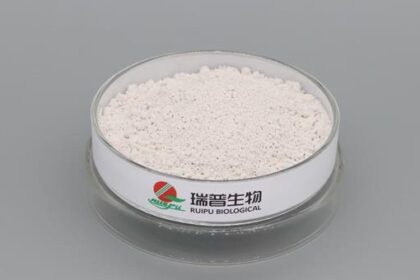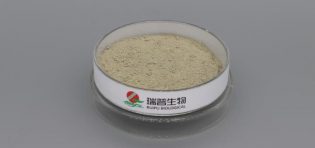
As consumer awareness of daily nutritional needs continues to grow, the demand for fortified products has surged across the global market. Manufacturers are constantly seeking high-quality nutrient raw materials to meet these expectations without compromising the sensory experience of their products. Iron fortification, in particular, remains a critical focus area for product developers. However, introducing iron into complex formulations often leads to common challenges such as unwanted metallic aftertastes, color degradation, or sedimentation in liquid formats. While Ferric Phosphate is widely recognized for its low reactivity and excellent stability, simply adding it to a recipe is not always enough to guarantee a flawless final product. Many formulators struggle with achieving uniform dispersion and maximizing the nutritional value of this specific mineral source. To overcome these formulation hurdles, product developers must adopt a more strategic approach when integrating this mineral into their recipes. By mastering three essential formulation techniques, manufacturers can seamlessly incorporate this ingredient and elevate their product offerings.
The first crucial tip is to carefully select the appropriate particle size and utilize proper dispersion techniques. Ferric Phosphate is inherently insoluble in water, which means that if the particle size is too large, it will quickly settle at the bottom of liquid beverages, creating an unappealing gritty texture. For product developers working with beverage ingredients, choosing a micronized or finely milled version of this mineral is highly recommended. In a practical scenario, when formulating a fortified plant-based milk alternative, using a finely milled variant combined with a high-shear mixing process ensures that the particles remain uniformly suspended. This approach prevents sedimentation during the product shelf life and guarantees that the consumer receives a consistent nutritional dose in every sip, while also maintaining a remarkably smooth mouthfeel.
The second tip involves strategically pairing the mineral with complementary functional ingredients to support overall nutritional absorption. While this iron source is highly stable and does not cause oxidative rancidity in fat-containing foods, its relative insolubility means that formulators should consider the broader nutritional matrix of the product. When developing health supplement raw materials or fortified snacks, combining this iron source with organic acids, such as ascorbic acid or citric acid, can create a more favorable environment for nutrient uptake in the body. For instance, in the production of a fortified fruit-flavored gummy or a chewable tablet, the natural acids present in the fruit flavoring system or added vitamin C not only enhance the flavor profile but also act as synergistic partners. This thoughtful combination ensures that the final product delivers meaningful nutritional support, aligning perfectly with the expectations of health-conscious consumers.
The third and final tip is to tailor your application solutions to the specific physical and chemical matrix of your target product. Every food and beverage category has unique pH levels, moisture content, and processing temperatures, all of which can influence ingredient behavior. When working with dry blends, such as protein powders or instant oatmeal, moisture control is paramount to prevent clumping. A practical example involves incorporating this mineral into a dry nutritional shake mix. By pre-blending the iron source with a flow agent or a portion of the bulk carrier before introducing it to the main mixing vessel, manufacturers can achieve a highly homogeneous dry blend. This meticulous attention to the specific application matrix prevents localized hot spots of minerals, ensuring consistent quality across every batch and preventing any negative interactions with sensitive vitamins during the manufacturing process.
| Focus Area | Formulation Challenge | Recommended Strategy | Target Application |
|---|---|---|---|
| Particle Dispersion | Sedimentation and gritty texture in liquids | Use micronized powder and high-shear mixing | Liquid beverages and plant-based milks |
| Nutritional Pairing | Low bioavailability due to relative insolubility | Combine with ascorbic acid or citric acid | Gummies, chewable tablets, and fruit drinks |
| Matrix Processing | Clumping and localized nutrient hot spots | Pre-blend with flow agents or bulk carriers | Dry powder blends and instant oatmeal |
Implementing these targeted strategies provides immense application value for B2B brands looking to differentiate themselves in a crowded marketplace. By treating nutrient raw materials not just as simple additives but as integral components of a complex system, companies can significantly reduce research and development trial-and-error phases. This proactive approach minimizes the risk of product recalls due to stability failures and ensures that the final goods maintain their intended sensory attributes from the factory floor to the consumer pantry. Furthermore, it allows production teams to optimize their manufacturing timelines, as fewer batch reworks are needed when the ingredient behavior is fully understood and controlled. Ultimately, mastering the application of stable iron sources allows brands to confidently expand their portfolios into new functional categories while maintaining strict quality control standards.
In conclusion, successfully fortifying modern food and beverage products requires more than just selecting the right mineral; it demands a deep understanding of formulation science and ingredient interactions. By focusing on precise particle dispersion, strategic nutritional pairing, and matrix-specific processing techniques, manufacturers can easily apply Ferric Phosphate to create superior, market-ready products. As the industry continues to evolve, embracing these advanced formulation practices will remain essential for delivering high-quality, nutritious options that meet the rigorous demands of today's health-focused consumers.
Frequently Asked Questions
Why is Ferric Phosphate preferred for iron fortification in food and beverages?
Ferric Phosphate is highly valued because it is relatively insoluble and unreactive, which means it rarely causes the metallic off-tastes or color changes associated with other iron sources. This makes it an excellent choice for maintaining the original sensory profile of your food and beverage products.

Additionally, its high stability ensures that it does not promote oxidative rancidity in fat-containing foods, allowing manufacturers to extend shelf life without compromising product quality or nutritional value.
How can I prevent sedimentation when using Ferric Phosphate in liquid beverages?
To prevent sedimentation, it is crucial to select a micronized or finely milled version of the mineral, as smaller particles remain suspended much more effectively in liquid matrices.
You should also employ high-shear mixing techniques during the production process to ensure uniform dispersion, which helps maintain a smooth mouthfeel and consistent nutritional dosing throughout the shelf life of the beverage.
What ingredients can be paired with Ferric Phosphate to improve iron absorption?
Since Ferric Phosphate is relatively insoluble, pairing it with organic acids like ascorbic acid or citric acid can significantly enhance the bioavailability of the iron.
For example, incorporating vitamin C into your fruit-flavored gummies or fortified drinks not only boosts the nutritional profile but also creates a favorable environment in the digestive tract for better nutrient uptake.
Are there specific considerations for adding this mineral to dry powder blends?
When working with dry blends such as protein powders or instant oatmeal, moisture control and uniform mixing are absolutely essential to prevent clumping and ensure consistent dosing.
Pre-blending the iron source with a flow agent or a portion of your bulk carrier before adding it to the main mixing vessel will help you achieve a highly homogeneous mixture and prevent localized nutrient hot spots.