The modern consumer market is increasingly demanding iron-fortified products, driving a surge in the need for high-quality nutrient raw materials across the food and beverage industry. Among the various options available, Ammonia Ferric Citrate has emerged as a highly preferred functional ingredient for product developers. It is widely utilized in both beverage ingredients and dietary formulations because it offers excellent bioavailability and generally imparts a milder sensory profile compared to traditional iron salts like ferrous sulfate. However, working with this specific compound is far from straightforward, as its chemical behavior in complex liquid and semi-liquid matrices can be highly unpredictable. Our research and development team recently embarked on a project to create a line of iron-fortified clear beverages and liquid supplements, assuming that our extensive experience with supplement raw materials would make the process relatively smooth.
Instead of a quick success, I spent two grueling months failing six consecutive Ammonia Ferric Citrate batches before we finally identified the root causes of our formulation instability. The first two batches were intended for a clear, fruit-flavored sports drink, but within forty-eight hours, the liquid developed an unsightly cloudy precipitate at the bottom of the bottle. We quickly realized that the iron was reacting with the natural tannins and polyphenols present in the fruit juice concentrate, causing an insoluble complex to form. Batches three and four were liquid dietary supplements, and while they remained physically stable, the color shifted from a vibrant berry red to an unappealing, muddy dark brown due to oxidative reactions catalyzed by the free iron ions. The final two failures occurred during the development of a high-protein nutritional shake, where the Ammonia Ferric Citrate interacted with the whey proteins, resulting in a distinct, metallic off-taste that completely ruined the flavor profile. These consecutive setbacks highlighted a critical gap in our understanding of how this specific iron source behaves under varying pH levels, temperatures, and ingredient interactions.
To overcome these hurdles, we had to completely overhaul our approach and develop targeted application solutions tailored to the unique chemistry of Ammonia Ferric Citrate. For the clear beverage precipitation issue, we introduced a precise pH buffering system and incorporated a specific food-grade chelating agent that effectively shielded the iron ions from binding with the fruit polyphenols, thereby maintaining the drink's optical clarity. To address the color degradation in the liquid supplements, we adjusted the processing temperatures, ensuring that the iron was added during the cool-down phase rather than during the high-heat pasteurization step, which significantly minimized oxidative browning. For the protein shake, we transitioned to a microencapsulated grade of the nutrient raw materials, which provided a physical barrier between the iron and the whey proteins, successfully eliminating the metallic aftertaste while preserving the smooth mouthfeel. Furthermore, we optimized the mixing sequence, ensuring that the functional ingredients were hydrated and dispersed uniformly before introducing any reactive acids or flavoring agents.
| Batch Number | Product Type | Failure Issue | Root Cause | Applied Solution |
|---|---|---|---|---|
| Batch 1 | Clear Sports Drink | Cloudy Precipitate | Iron binding with fruit tannins | pH buffering and chelating agents |
| Batch 2 | Clear Sports Drink | Cloudy Precipitate | Iron binding with fruit polyphenols | Optimized mixing sequence |
| Batch 3 | Liquid Supplement | Muddy Brown Color | Heat-catalyzed oxidation | Added during cool-down phase |
| Batch 4 | Liquid Supplement | Muddy Brown Color | Thermal degradation of color | Lower processing temperatures |
| Batch 5 | Protein Shake | Metallic Off-Taste | Iron interaction with whey protein | Microencapsulated iron grade |
| Batch 6 | Protein Shake | Metallic Off-Taste | Free iron ions reacting with proteins | Physical barrier coating |
The insights gained from these six failed batches have profoundly enhanced our technical capabilities and the value we offer to our B2B partners. When beverage and health food manufacturers source supplement raw materials, they are not just buying a chemical powder; they are investing in the final product's stability, taste, and consumer acceptance. By mastering the intricacies of Ammonia Ferric Citrate, we can now provide comprehensive application solutions that help our clients bypass these common formulation pitfalls. This means faster time-to-market, reduced research and development waste, and a significantly higher success rate for new product launches. Whether a client is formulating a complex nutritional shake or a delicate clear beverage, our refined protocols ensure that the functional ingredients perform exactly as intended without compromising the sensory attributes of the final product.
Formulating with advanced nutritional components is a rigorous scientific endeavor that demands patience, analytical thinking, and a willingness to learn from failure. The two months spent troubleshooting those six batches ultimately transformed our understanding of iron fortification and reinforced the importance of technical expertise in the manufacturing process. As the industry continues to evolve, our commitment to refining these application solutions ensures that we remain a reliable partner for brands looking to deliver high-quality, stable, and effective fortified products to the market.
Why do formulators prefer Ammonia Ferric Citrate over other iron sources like ferrous sulfate?
Formulators usually lean towards this specific ingredient because it offers a much milder sensory profile compared to traditional options like ferrous sulfate. When you are working on clear beverages or delicate dietary supplements, avoiding that harsh metallic aftertaste is absolutely crucial for consumer acceptance.
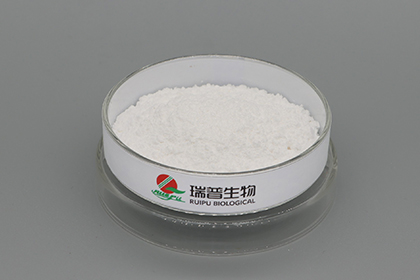
On top of the taste benefits, it also provides excellent bioavailability, which is a major selling point for health-conscious consumers looking for a dosage ranging between 10 and 15 milligrams per serving. This means your body can absorb and utilize the iron quite efficiently, making it a top-tier functional ingredient for modern nutritional products.
What usually causes precipitation when formulating clear beverages with this iron compound?
The most common culprit behind cloudy precipitates in clear drinks is a chemical reaction between the iron ions and natural polyphenols or tannins found in fruit juice concentrates. When these compounds bind together, they form an insoluble complex that quickly drops to the bottom of the bottle, ruining the visual appeal of your drink.
To prevent this from happening, you really need to manage the pH levels carefully and consider introducing specific food-grade chelating agents. These agents act like a shield around the iron ions, stopping them from interacting with the polyphenols and keeping your beverage perfectly clear and stable on the shelf.
How can I stop my liquid dietary supplements from turning a muddy brown color during production?
That frustrating color shift is typically caused by oxidative reactions that are catalyzed by free iron ions when they are exposed to high heat during the manufacturing process. If you add the iron too early before the pasteurization or hot-fill steps, the thermal energy accelerates the oxidation and turns your vibrant liquid into an unappealing dark brown mess.
The best way to tackle this issue is to adjust your processing sequence and add the Ammonia Ferric Citrate during the cool-down phase of your production line. By minimizing the time the iron spends at elevated temperatures, you can significantly reduce oxidative browning and maintain the bright, attractive color your customers expect.
Why did my high-protein nutritional shake develop a terrible metallic taste after fortification?
That awful metallic off-taste usually happens because the free iron ions are directly interacting with the whey or plant proteins in your shake formulation. Proteins have a strong tendency to bind with these minerals, and this specific chemical interaction often releases flavor compounds that completely ruin the smooth, creamy taste profile you worked so hard to achieve.
Switching to a microencapsulated grade of the nutrient raw materials is generally the most effective solution for this exact problem. The microencapsulation creates a tiny physical barrier around the iron particles, preventing them from touching the proteins while still allowing them to be properly absorbed once the consumer digests the product.