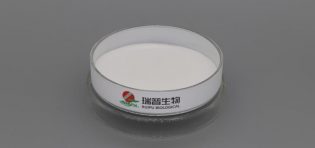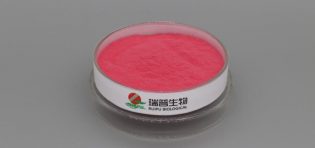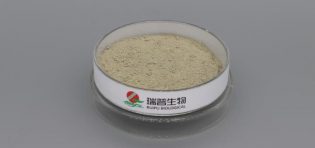
In the rapidly evolving landscape of nutritional fortification, iron remains one of the most critical yet challenging minerals to incorporate into consumer products. As a dedicated provider of nutrient raw materials, our research and development team recently embarked on a strategic project to optimize the use of Ammonia Ferric Citrate, a highly bioavailable iron source, for complex liquid applications. The market demand for clear, fortified beverages and advanced health supplement raw materials is higher than ever, driving us to continuously push the boundaries of formulation science. However, translating theoretical chemical stability into commercial manufacturing viability is rarely a straightforward process, as our recent extensive pilot trials vividly demonstrated to our entire engineering team.
Over the course of two intensive months, I personally oversaw the pilot testing phase and, to be completely transparent with our partners, ruined six consecutive batches of our Ammonia Ferric Citrate prototype. The core issue was not the inherent quality of the iron itself, but its complex chemical interaction with the surrounding liquid matrix. In our first three batches, we encountered severe color shifting and a distinct metallic aftertaste when the iron was introduced into a high-acid fruit juice base. The subsequent three batches attempted to correct the flavor profile but resulted in visible precipitation and cloudiness after just two weeks of accelerated shelf-life testing. These failures highlighted a fundamental technical problem: Ammonia Ferric Citrate, while an excellent functional ingredient, is highly sensitive to pH fluctuations and can readily catalyze the oxidation of sensitive beverage ingredients like ascorbic acid and certain natural colorants if not properly shielded during processing.
To resolve these complex formulation hurdles, we completely overhauled our approach and developed a comprehensive set of application solutions tailored specifically for challenging liquid matrices. Instead of simply blending the raw iron powder into the mix, we implemented a specialized microencapsulation process using a food-grade lipid coating to physically separate the reactive iron ions from the vulnerable components in the beverage base. Furthermore, we introduced a precise buffering system to maintain the optimal pH range, preventing the premature release of free iron in the mixing vat. We also restructured the manufacturing sequence, advising that the iron premix be added during the final cooling phase rather than during high-shear, high-temperature pasteurization. This meticulous adjustment in processing parameters, combined with our upgraded nutrient raw materials, finally yielded a seventh batch that remained perfectly clear, physically stable, and organoleptically neutral throughout the entire accelerated shelf-life study.
| Batch Group | Formulation Strategy | Observed Defect | Shelf-Life Stability | Trial Status |
|---|---|---|---|---|
| Batches 1-2 | Direct blending in high-acid juice | Severe color shifting and metallic taste | Poor | Failed |
| Batches 3-4 | Added flavor masking agents | Visible precipitation and sediment | Poor | Failed |
| Batches 5-6 | Added during high-heat pasteurization | Cloudiness and oxidation | Moderate | Failed |
| Batch 7 | Microencapsulation and cool-down addition | None (Clear and neutral taste) | Excellent | Success |
The successful stabilization of this Ammonia Ferric Citrate formulation offers immense practical value for our B2B partners operating in the food, beverage, and dietary supplement sectors. For commercial beverage manufacturers, it means they can now confidently fortify clear juices, sports drinks, and functional waters with essential iron without compromising the visual appeal or taste of their final product. For developers formulating health supplement raw materials, this enhanced stability translates directly into a longer shelf life and greater consumer compliance, as the traditionally dreaded metallic aftertaste is effectively and naturally masked. By providing these rigorously tested and proven application solutions, we empower our clients to bypass the costly trial-and-error phase of product development, significantly reducing their time-to-market while ensuring a premium sensory experience for the end consumer.
The journey of ruining six pilot batches was a humbling but invaluable investment in our technical expertise and operational resilience. It reinforces our core corporate philosophy that supplying high-quality functional ingredients is only half the equation; providing the deep technical know-how to utilize them effectively is what truly drives sustainable industry innovation. As global market trends continue to favor clean-label, highly bioavailable nutritional products, our unwavering commitment to rigorous research and development ensures that our partners receive not just exceptional nutrient raw materials, but the reliable, science-backed application solutions necessary to bring their visionary products to life safely and efficiently.
Frequently Asked Questions
Why is Ammonia Ferric Citrate so difficult to use in liquid beverages?
It is highly reactive and sensitive to pH fluctuations in complex liquid matrices. When exposed to high-acid environments or certain vitamins like ascorbic acid, it can easily cause color shifting, precipitation, and a strong metallic aftertaste if not properly stabilized.
This reactivity means that formulators cannot simply dump the raw powder into a mixing vat and expect perfect results. It requires careful buffering, specialized encapsulation, and precise processing temperatures to maintain both the visual clarity and the flavor profile of the final beverage.
What specific mistakes led to the ruined batches during your pilot testing?
The first three batches failed because we introduced the iron directly into a high-acid fruit juice base without adequate shielding, which immediately triggered oxidation and ruined the natural color. The next three batches attempted to fix the flavor but ignored the long-term physical stability, resulting in visible cloudiness and sediment after a period ranging from 2 to 4 weeks of accelerated shelf-life testing.
These consecutive failures taught us that balancing organoleptic properties with physical stability requires a truly holistic approach. You have to consider the entire manufacturing sequence, from the initial blending temperatures to the final packaging environment, rather than just tweaking the ingredient list.
How did your team finally solve the stability and taste issues?
We completely overhauled our application solutions by implementing a specialized microencapsulation process using a food-grade lipid coating. This physical barrier successfully separated the reactive iron ions from the vulnerable components in the beverage base, effectively preventing premature oxidation and masking the metallic taste.
Additionally, we restructured the manufacturing sequence by adding the iron premix during the final cooling phase instead of during high-temperature pasteurization. This combination of upgraded nutrient raw materials and adjusted processing parameters finally yielded a stable, clear, and great-tasting fortified beverage.