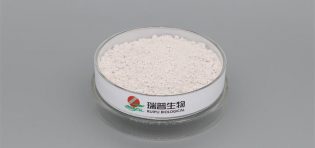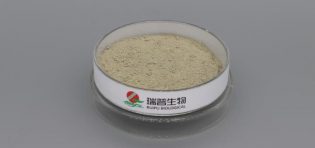
The reality of formulating with this compound hit hard when I ruined six consecutive production batches over a grueling two-month period. The first two batches failed due to severe and rapid sedimentation. Because Ferric Phosphate is practically insoluble in water, the iron particles simply sank to the bottom of the beverage bottles within forty-eight hours, creating an unappealing, dense sludge that consumers would immediately reject. Batches three and four attempted to resolve this by aggressively increasing the shear rate and mixing time, but this mechanical over-processing introduced excess dissolved oxygen and caused lipid oxidation, resulting in a distinctly rancid off-flavor. The final two ruined batches suffered from a harsh metallic aftertaste and a slight grayish discoloration, which occurred because the free iron ions interacted unpredictably with the ascorbic acid and natural anthocyanin colorants used as primary beverage ingredients. Watching two months of intensive labor and expensive materials go down the drain was incredibly frustrating, but these failures vividly highlighted the unpredictable nature of combining multiple functional ingredients in a liquid matrix.
To solve the sedimentation issue without compromising the delicate taste profile, I realized we needed a highly tailored approach to both particle size selection and suspension rheology. I sourced a specialized micronized grade of Ferric Phosphate with a strictly controlled particle size distribution of less than five microns, which drastically reduced the settling velocity according to Stokes' law. Next, instead of relying on brute mechanical force, I introduced a carefully calibrated blend of gellan gum and microcrystalline cellulose to create a weak fluid gel network. This specific hydrocolloid system suspended the iron particles effectively when the bottle was at rest on a shelf, but the network broke down smoothly upon shaking, ensuring a uniform and pleasant pour for the end user. To address the oxidation and color degradation, I completely restructured the processing sequence. I added the iron source at the very end of the batching process under a strict nitrogen blanket to minimize oxygen exposure, and I switched to a lipid-encapsulated form of vitamin C to prevent premature redox reactions with the iron before the product was even sealed.
These targeted adjustments transformed a failing project into a robust, scalable framework that provides immense value to our B2B partners. For beverage manufacturers, this refined methodology means achieving a stable, homogenous product with a clean label and a reliable shelf life of up to twelve months, completely eliminating the dreaded iron sediment and preserving the intended flavor profile. Furthermore, this optimized process reduces the need for excessive homogenization pressures, thereby lowering overall energy consumption and equipment wear on the production line. For clients working with health supplement raw materials in solid or semi-solid formats, the critical lessons learned regarding oxygen exclusion, ingredient sequencing, and particle micronization are directly transferable to the production of functional gummies and powdered drink mixes. By deeply understanding the precise interactions between iron and other functional ingredients, manufacturers can confidently fortify their product lines without sacrificing the premium sensory experience that modern health-conscious consumers demand.
| Batch | Primary Issue | Root Cause | Attempted Fix | Outcome |
|---|---|---|---|---|
| 1 | Rapid Sedimentation | Large particle size | Standard mixing | Dense sludge |
| 2 | Rapid Sedimentation | Weak suspension | Standard mixing | Dense sludge |
| 3 | Rancid Off-flavor | Lipid oxidation | High shear rate | Unpalatable |
| 4 | Rancid Off-flavor | Dissolved oxygen | Extended mixing | Unpalatable |
| 5 | Discoloration | Redox reaction | Added vitamin C | Grayish liquid |
| 6 | Metallic Taste | Free iron ions | Adjusted pH | Harsh flavor |
Ruining six batches of Ferric Phosphate was undoubtedly a costly and humbling experience, but it provided invaluable, hands-on insights into the practical realities of modern food science. Working with specialized nutrient raw materials requires much more than just following a textbook recipe; it demands a rigorous understanding of physical chemistry, rheology, and commercial processing parameters. By sharing these specific technical hurdles and the resulting application solutions, I hope to help other formulators and developers avoid the same expensive pitfalls, ultimately driving better, more reliable, and highly effective nutritional products to the global market.
Frequently Asked Questions (FAQ)
Why does Ferric Phosphate cause severe sedimentation in liquid beverages?
Ferric Phosphate is practically insoluble in water, which makes it highly prone to sinking when suspended in liquid matrices. If the particle size is not strictly controlled or the suspension system is inadequate, the iron particles will quickly settle at the bottom of the bottle. This usually happens within the first forty-eight hours, creating a dense sludge that ruins the visual appeal and texture of the drink.
To prevent this, formulators must use micronized grades of the ingredient and incorporate a specialized hydrocolloid network. This network keeps the particles suspended while the product is at rest but allows for a smooth pour when the consumer shakes the bottle.
What are the main sensory challenges when working with iron fortification?
Iron sources can easily interact with other functional ingredients, leading to metallic off-flavors or undesirable color changes. For example, free iron ions might react with ascorbic acid or natural colorants, causing the beverage to turn grayish or taste distinctly metallic.
Managing these reactions requires careful sequencing during the batching process and sometimes using encapsulated vitamins. Minimizing oxygen exposure by processing under a nitrogen blanket also helps prevent lipid oxidation and preserves the clean taste profile of the final product.
How long does it typically take to stabilize a new iron-fortified beverage formula?
The timeline can vary wildly depending on the complexity of the matrix and the specific grade of nutrients used. In my experience, it took about two months of continuous testing and troubleshooting to finally get the formulation right after ruining six consecutive batches.
Rushing the scale-up process without addressing the underlying physical chemistry often leads to costly failures. Taking the time to understand rheology and ingredient interactions will ultimately save manufacturers from wasting expensive raw materials on the production line.