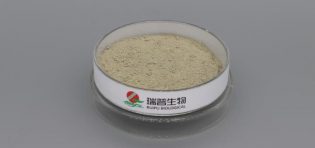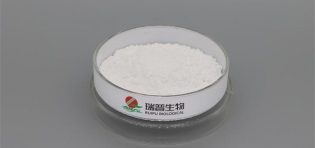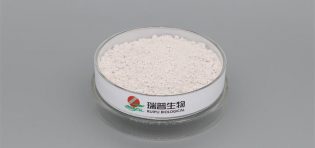
Despite its excellent sensory profile, working with Ferric Phosphate in liquid systems can be incredibly unforgiving, a reality our team experienced firsthand during a recent project aimed at developing a high-iron functional beverage. I spent two months and ruined six consecutive Ferric Phosphate batches before we finally identified the root causes of our formulation failures. The primary issue was severe sedimentation and particle agglomeration, where the iron particles rapidly sank to the bottom of the bottle, creating an unappealing sludge and resulting in inconsistent dosing per serving. Furthermore, in two of the ruined batches, the functional ingredients interacted unpredictably with the beverage's natural fruit acids. The sudden drop in pH altered the surface charge of the iron particles, causing them to flocculate and leading to unexpected color shifts and a gritty mouthfeel that completely compromised the product's commercial viability. These setbacks highlighted a critical gap in our initial approach, proving that simply blending the mineral into the liquid base without addressing its specific colloidal behavior and pH sensitivity is a recipe for costly manufacturing failures.
To overcome these persistent stability issues, our technical team completely overhauled the formulation strategy, focusing on particle size reduction, surface modification, and advanced suspension systems. First, we sourced a specialized micronized grade of Ferric Phosphate with a strictly controlled particle size distribution, ensuring the particles were small enough to remain suspended longer without altering the smooth texture of the drink. Next, we developed a customized stabilizer blend utilizing high-acyl gellan gum combined with a specific ratio of sunflower lecithin. This combination created a weak, shear-thinning gel network in the liquid that effectively trapped the iron particles and prevented them from settling during shelf life, while still allowing the beverage to pour easily. We also meticulously adjusted the processing parameters, specifically lowering the homogenization pressure to avoid breaking the delicate stabilizer network and optimizing the pasteurization temperature to prevent thermal degradation. By treating the mineral not just as an additive but as a core structural component of the liquid matrix, we successfully transformed a failing prototype into a highly stable, commercially ready application solution.
The insights gained from this rigorous two-month troubleshooting process now form the foundation of our comprehensive technical support for B2B clients seeking to incorporate iron into their diverse product lines. When beverage brands and supplement manufacturers utilize our tailored application solutions, they benefit from a drastically reduced time-to-market and a significantly lower risk of batch failures during commercial scale-up. For instance, a client producing a plant-based protein shake can now confidently integrate our optimized Ferric Phosphate premix, knowing that the specific emulsifier ratios we provide will prevent the iron from interacting negatively with the plant proteins and causing phase separation. Similarly, for manufacturers developing opaque nutritional shakes, our stabilized iron systems ensure uniform color distribution and prevent the formation of dark spots at the bottom of the container. This level of technical assurance ensures that the final product maintains its intended nutritional profile, visual appeal, and sensory quality throughout its entire shelf life, ultimately protecting the brand's reputation and consumer trust.
| Batch ID | Observed Defect | Identified Root Cause | Attempted Solution | Batch Result |
|---|---|---|---|---|
| Batch 01 | Severe Sedimentation | High particle density | Increased agitation speed | Ruined |
| Batch 02 | Particle Agglomeration | Poor ingredient wetting | Added standard emulsifier | Ruined |
| Batch 03 | Unexpected Color Shift | pH drop from fruit acids | Introduced pH buffer | Ruined |
| Batch 04 | Inconsistent Dosing | Rapid sinking in filler | Adjusted filling temperature | Ruined |
| Batch 05 | Phase Separation | Protein-mineral binding | Changed homogenization pressure | Ruined |
| Batch 06 | Stabilizer Network Collapse | Thermal degradation | Lowered pasteurization heat | Ruined |
Formulating with complex functional ingredients requires far more than simply following a standard recipe; it demands a deep, empirical understanding of ingredient interactions, processing dynamics, and physical chemistry. Our experience of ruining six batches of Ferric Phosphate ultimately yielded a robust, scientifically validated methodology that now empowers our partners to innovate confidently in the highly competitive nutrition market. As the industry continues to evolve and consumer demands for cleaner labels and higher efficacy grow, our commitment to mastering the intricacies of nutrient raw materials ensures that we remain a reliable, forward-thinking partner. We are dedicated to providing the technical foundation necessary for businesses aiming to deliver high-quality, effective, and consumer-friendly nutritional products to the global market.
Frequently Asked Questions
Why is Ferric Phosphate so difficult to formulate in liquid beverages?
Ferric Phosphate is highly insoluble in water and has a high specific gravity, which means it naturally wants to sink to the bottom of your bottle. When you are dealing with a liquid matrix, these physical properties cause severe sedimentation and particle agglomeration if you do not use the right stabilizers.
We learned this the hard way when our iron particles rapidly formed an unappealing sludge at the bottom of our test bottles. It takes a very specific approach to colloidal chemistry to keep those particles evenly suspended throughout the entire shelf life of the drink.
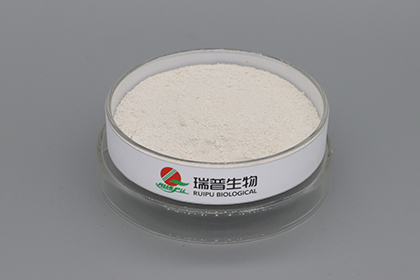
What exactly caused the six ruined batches during your two-month development process?
The main culprit was a combination of unexpected sedimentation and negative interactions with the natural fruit acids in our beverage base. The sudden drop in pH altered the surface charge of the iron particles, which triggered severe flocculation and completely ruined the texture.
On top of the pH issues, we were initially using the wrong homogenization pressures, which broke down our stabilizer network. Once we realized that simply blending the mineral into the liquid without addressing its specific colloidal behavior was a recipe for failure, we completely overhauled our strategy.
How did your team finally solve the sedimentation and gritty texture issues?
We switched to a specialized micronized grade of Ferric Phosphate with a strictly controlled particle size distribution to ensure a smoother mouthfeel. Then, we developed a custom stabilizer blend using high-acyl gellan gum and sunflower lecithin to create a weak gel network that traps the iron particles without making the drink too thick.
We also had to carefully adjust our processing parameters, specifically lowering the homogenization pressure and optimizing the pasteurization temperature. Treating the mineral as a core structural component of the liquid matrix rather than just a simple additive was the ultimate key to achieving a stable, commercially viable product.
Can these formulation solutions be applied to other types of nutritional products like protein shakes?
Absolutely, the insights we gained from this rigorous troubleshooting process are highly adaptable to a wide variety of complex food and beverage matrices. For example, if you are producing a plant-based protein shake, our optimized emulsifier ratios will prevent the iron from interacting negatively with the plant proteins and causing phase separation.
Manufacturers developing opaque nutritional shakes or dairy-based functional drinks can also benefit from these stabilized iron systems to ensure uniform color distribution. This level of technical assurance guarantees that your final product maintains its intended nutritional profile and visual appeal from the first sip to the last.